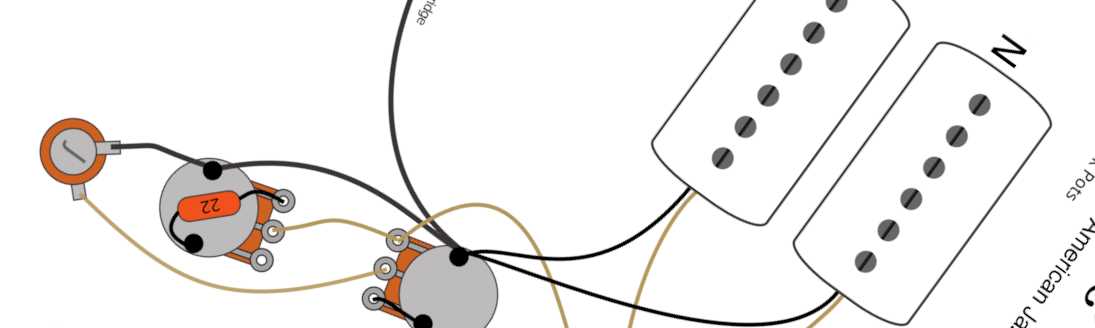
Check all solder points before assembling any electronics. Cold joints or loose connections can cause intermittent signal loss or unwanted noise. Use a multimeter to verify continuity at each junction.
Label each lead and component to track polarity and position. For dual pickup setups, red wires usually indicate the hot signal, while black or bare wires connect to the ground. Clear labeling speeds up troubleshooting.
Test individual pickups separately before combining them. Measure output voltage and observe tonal differences to confirm each unit is functioning correctly. Document readings for reference when adjusting volume and tone controls.
Use consistent routing paths for wires to prevent interference. Keep signal wires away from the power supply or other high-current paths to minimize hum. Securing cables with clips or tape prevents accidental shorts during use.
Guitar Pickup Connections and Control Layouts
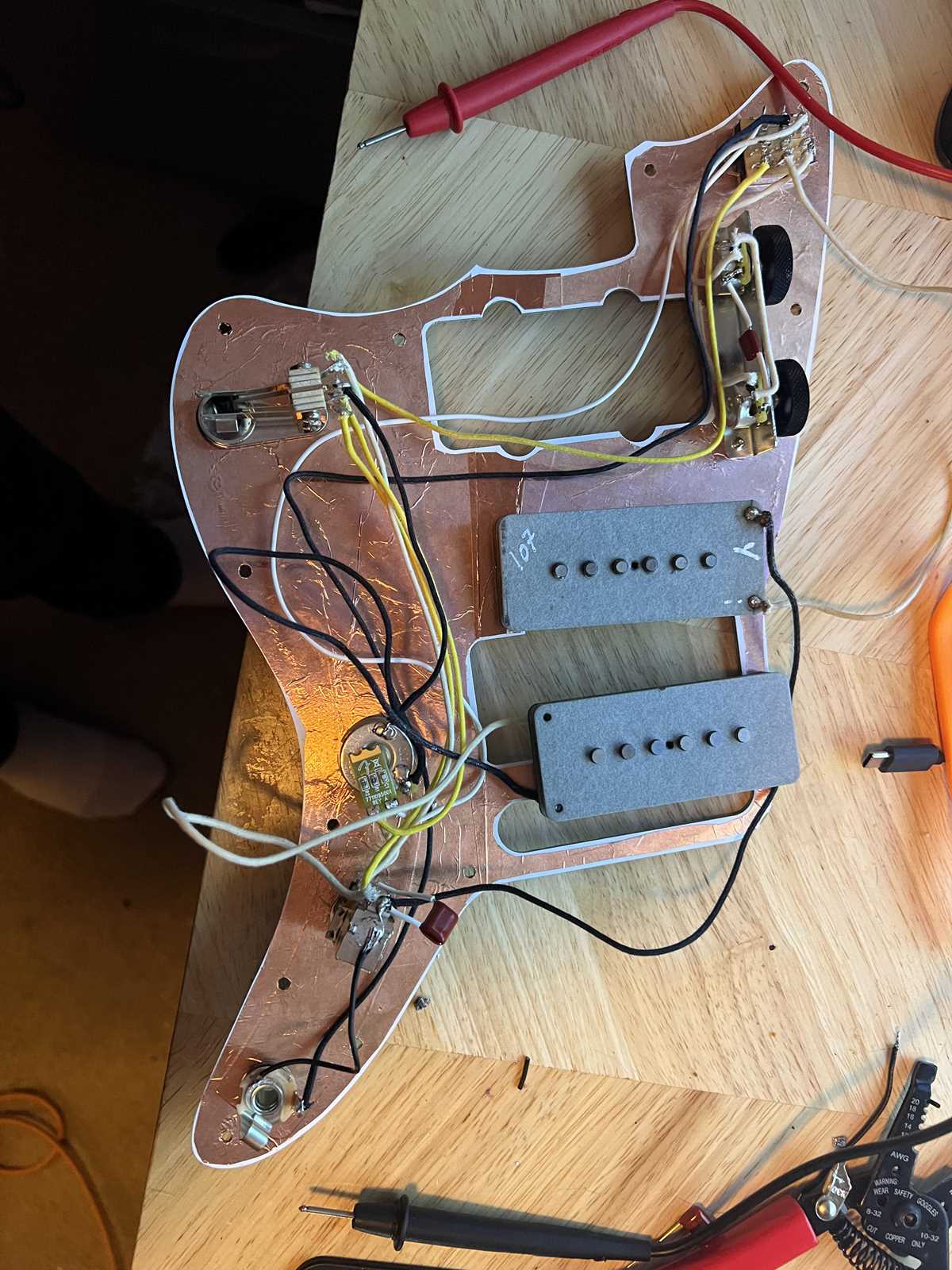
Verify each solder joint before powering the guitar. Poor connections can create intermittent signals or unwanted noise, affecting tone clarity. Use a multimeter to confirm proper continuity.
Label all leads and pots to avoid confusion. Hot wires are typically red, while ground wires are black or bare. Accurate labeling prevents mistakes when combining multiple pickups or switches.
Connect the bridge and neck pickups individually first. Measure their output voltage and test tonal response to ensure each unit functions correctly before integrating into the main setup.
Route signal paths carefully to minimize interference. Keep wires away from high-current sources and the edges of metal cavities. Using short, direct connections reduces hum and preserves tonal integrity.
Adjust volume and tone potentiometers systematically. Test each setting across pickup combinations to verify smooth transitions and balanced output. Note any sudden drops in signal which may indicate a cold joint.
Install the rhythm and lead switch correctly to manage dual pickup configurations. Ensure that switch contacts fully engage to prevent signal loss or unexpected tonal changes when toggling positions.
Secure all components inside the cavity. Loose parts can shift during playing, causing shorts or noise. Adding small foam pads or tape around the edges stabilizes switches, pots, and pickup leads for consistent performance.
Connecting Pickups to Volume and Tone Controls
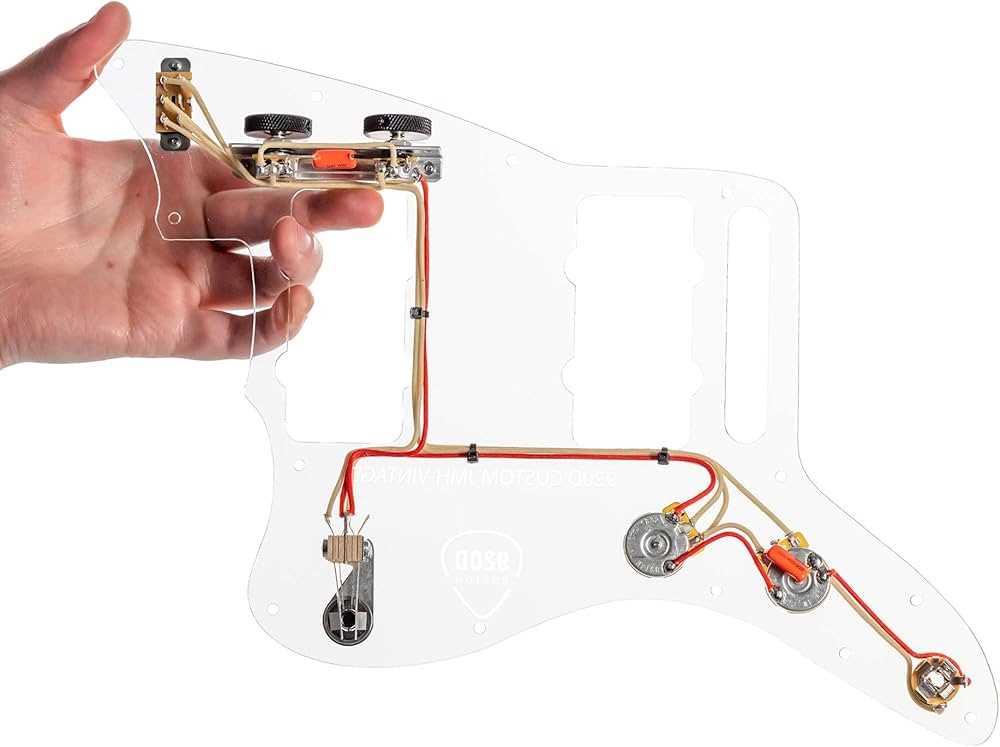
Start by identifying each pickup lead and its polarity. Red or white wires usually carry the hot signal, while black or bare wires serve as ground. Confirm these with a multimeter to prevent signal cancellation.
Attach the hot lead to the input lug of the volume control. Ensure a solid solder joint without excess flux, which can create resistance and affect output. Test continuity after soldering each connection.
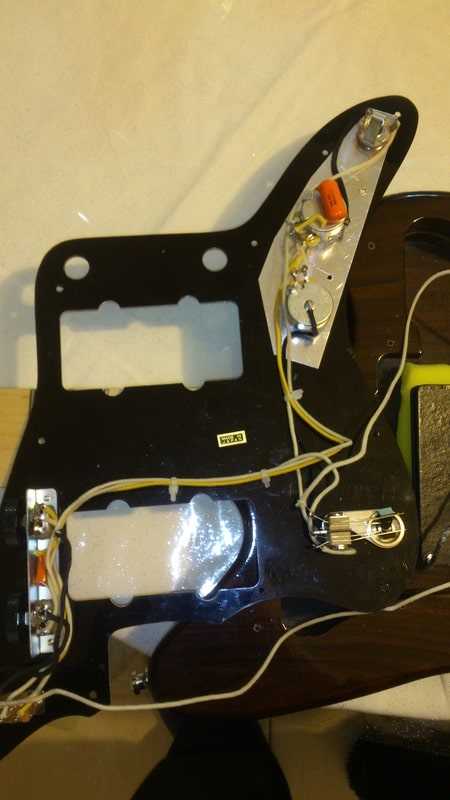
Ground all pickups by connecting their black or bare wires to a shared grounding point on the control plate. This reduces hum and ensures consistent signal across all configurations.
Integrate tone capacitors into the control chain:
- Connect one end of the capacitor to the volume pot’s output lug.
- Attach the other end to the tone pot’s input lug.
- Secure the tone pot to the ground to complete the path.
Check the interaction between volume and tone controls. Rotate each knob fully and partially while measuring output voltage to ensure smooth response without abrupt signal drops.
Test pickup combinations by switching positions. Verify that both bridge and neck pickups maintain correct level and tonal clarity when routed through the volume and tone controls.
Finally, secure all leads with tape or clips to prevent movement inside the cavity. Loose wires can short against metal parts or each other, causing noise or intermittent signal loss during performance.