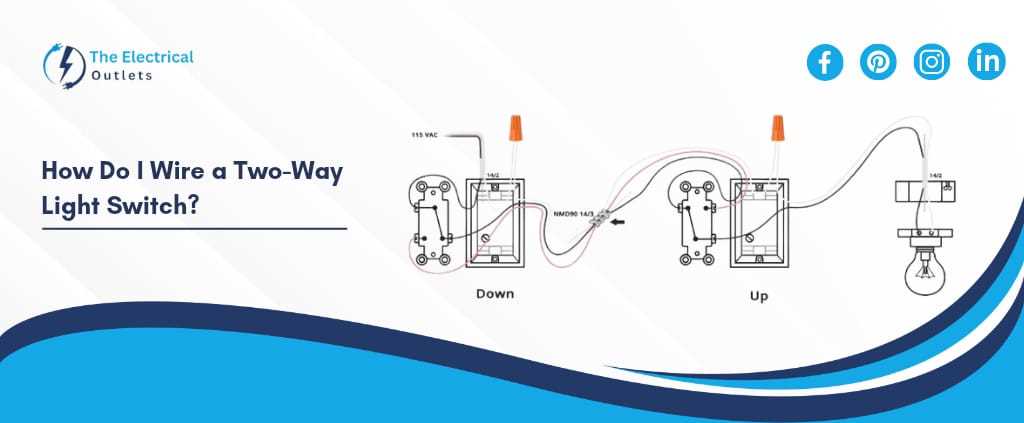
To control one light from two different locations, you need to use a specific electrical setup that allows both points to operate the same fixture. Begin by using a traveler wire to connect both control points, ensuring that the live and neutral wires are properly routed. The setup should allow for controlling the light from either position with ease, following simple electrical rules for safety and functionality.
In this configuration, one of the control units will serve as the power input while the second will be connected to the light fixture. Both controls must be connected to the common wire and the traveler wire, forming a loop that completes the circuit. Ensure that both units are wired correctly, and double-check connections to avoid common errors such as grounding issues or short circuits.
Always use proper insulation and verify that each wire is securely attached to its designated terminal. With this setup, you can switch the light on or off from both locations, making the setup particularly useful for large rooms or hallways. Be mindful of local electrical codes and regulations to ensure a safe and code-compliant installation.
Wiring Diagram for Two Switches and One Light
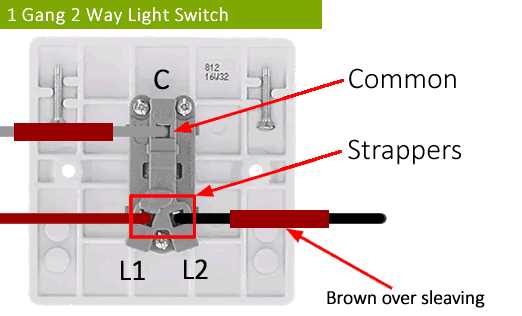
To control one fixture from two locations, begin by ensuring that the current flow is correctly routed through both control points. The key is using traveler wires to connect each control to the fixture, while maintaining proper polarity. Start with the power source, connecting the live wire to one of the terminals on the first control, and run the neutral wire directly to the fixture.
Next, connect a traveler wire from the first control to the second one. This wire should be capable of carrying the current between both controls, so it must be securely fastened and appropriately insulated. Each traveler wire connects the two control points in parallel to the common wire, ensuring that the fixture can be turned on or off from either location.
Common Connection Details
At the second control, connect the traveler wire to the common terminal. The output terminal at this control should be connected to the live wire leading to the fixture. Double-check that all connections are tight and insulated to prevent any short circuits. The neutral wire should be directly connected from the power source to the fixture’s neutral terminal.
Grounding and Safety Considerations
Do not overlook grounding. A proper ground wire should be connected to both control units and the fixture. This will prevent electrical shock and protect against faults in the system. Attach the ground wire to the grounding terminal at the control and fixture. Ensure that the ground wire is properly connected to the main electrical panel.
As you complete the setup, test the system by flipping both controls and ensuring that the fixture responds as expected. Both points should be able to independently turn the fixture on or off, providing full control from each location. Make sure that the current is flowing properly by using a multimeter to check the voltage at each control and the fixture itself.
If you encounter any issues, such as one control not working or the fixture not turning on/off from both points, recheck the traveler wire connections and verify that no loose connections exist. Improper wiring can cause the setup to malfunction, so it’s important to inspect each connection thoroughly before powering the system.
In some installations, it may be necessary to use a two-way switch, which ensures that the current can flow in both directions. If you choose this option, make sure that the switch is rated for the voltage and amperage of your system. A two-way switch will allow you to reverse the direction of the current, providing more flexibility in controlling the fixture.
How to Wire Two Switches for One Light
To control a fixture from two separate locations, start by connecting the live wire from the power source to the first control unit. From there, run a traveler wire to the second control unit. This wire carries the current between the two locations, allowing each to control the fixture. Make sure to securely connect the live wire to the common terminal of the first control, and the traveler wire to the same terminal on the second control.
Next, connect the output terminal of the second control unit to the fixture. The neutral wire from the power source should go directly to the fixture’s neutral terminal. Double-check all connections to avoid shorts or loose wires. Once everything is connected, test the setup by flipping both controls to ensure the fixture operates correctly from each location.