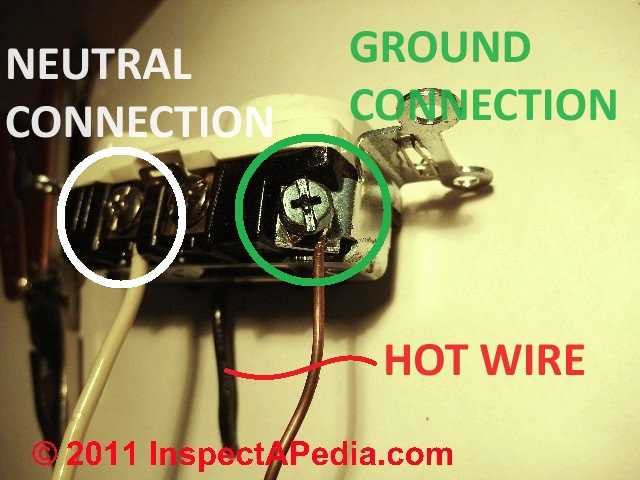
Begin by identifying live, neutral, and grounding terminals using a multimeter. Ensure voltage readings match expected levels before connecting any device.
Use insulated cables of appropriate gauge based on current requirements. For typical household sockets, 14 AWG handles up to 15 amps, while heavier equipment may require 12 AWG.
Secure all connections with screw terminals or clamping mechanisms to prevent loose contacts. Loose connections can cause sparks, overheating, or intermittent operation.
Install fuses or circuit breakers in the feed line to protect against overload. Choose ratings according to the maximum load and type of connected devices.
Test each socket sequentially using a test lamp or voltage meter. Confirm that current flows correctly to devices without significant voltage drop or fluctuation.
Power Outlet Connection and Testing
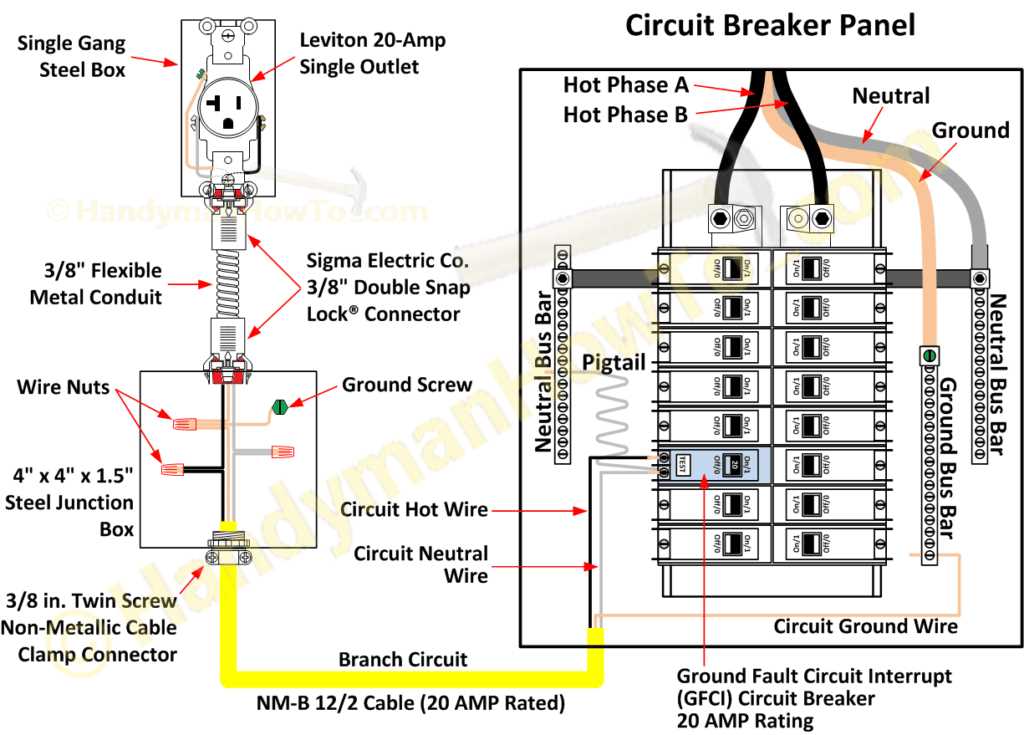
Start by identifying each terminal using a multimeter to verify live, neutral, and ground paths. Confirm that the feed voltage matches the rated specification before connecting any devices.
Strip cable ends to the correct length and insert fully into the terminal slots. Partial insertion can cause overheating or intermittent contact.
Securing Connections
Tighten all screws or clamps firmly without over-torquing to prevent wire damage. Loose connections increase resistance and may generate sparks under load.
Install a fuse or circuit breaker upstream to protect the socket and connected devices. Select the rating based on the maximum current draw of typical equipment.
Sequential Testing
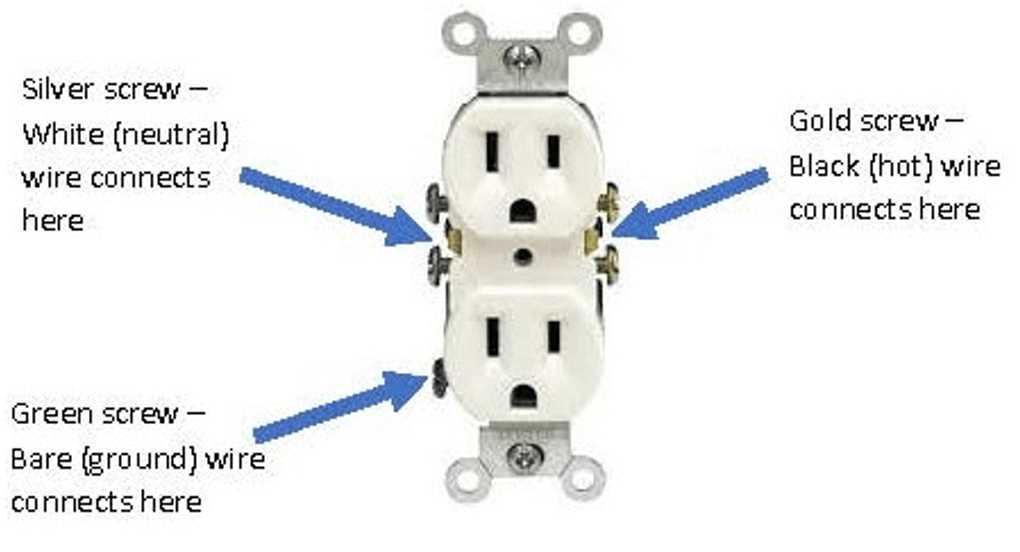
Test each point individually using a test lamp or voltage meter.
- Verify voltage at each terminal.
- Check continuity between ground and neutral to prevent accidental shocks.
- Ensure no excessive voltage drop occurs when a load is applied
Label and document all connections for future maintenance. This practice reduces troubleshooting time and ensures consistent operation.
Identifying Terminals and Voltage Points
Use a digital multimeter to locate live, neutral, and grounding points. Measure voltage between terminals to confirm correct orientation before connecting any equipment.
Check for continuity between ground and metal chassis to ensure a proper protective path. Any reading above 1 ohm indicates a potential safety issue.
Labeling Terminals
Mark each terminal clearly using tags or colored tape.
- Red for live
- Black or blue for neutral
- Green or yellow-green for ground
Accurate labeling reduces mistakes during maintenance or expansion
.
Measure unloaded voltage to establish baseline readings. Typical household voltage should be within ±5% of the rated value; any deviation requires inspection.
Verify load response by connecting a test device and observing voltage drop. A drop exceeding 5% may indicate loose terminals or undersized conductors.
Terminal Inspection
Inspect screws, clamps, and wire entry points for corrosion or deformation. Replace or clean terminals to maintain low-resistance connections.
Use a continuity tester to check hidden connections behind panels.
- Ensure each conductor links correctly
- Detect unintended shorts or broken paths
Document all measured voltages and terminal IDs in a chart. This record facilitates troubleshooting and future modifications without guesswork.