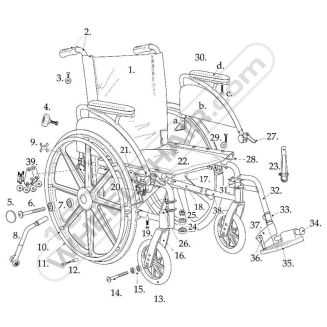
To ensure smooth operation and longevity, focus on maintaining the frame and wheels. The frame supports the entire structure and should be checked for cracks, wear, or deformation regularly. The wheels must be aligned properly and inflated to the recommended pressure to prevent uneven wear or instability.
Pay attention to the armrests, footrests, and seating components, as they provide comfort and support. These elements can wear down over time, causing discomfort or limiting functionality. Regularly inspect the footrests for any damage and ensure the seating is firmly secured to avoid shifting or movement.
Routine maintenance of the braking system is necessary for safety. Check the brakes for responsiveness and proper function after each use, especially if the mobility device is frequently used on uneven surfaces. Lubricating the brake mechanisms and tightening any loose components will help maintain optimal performance.
Understanding the Key Components of Mobility Devices
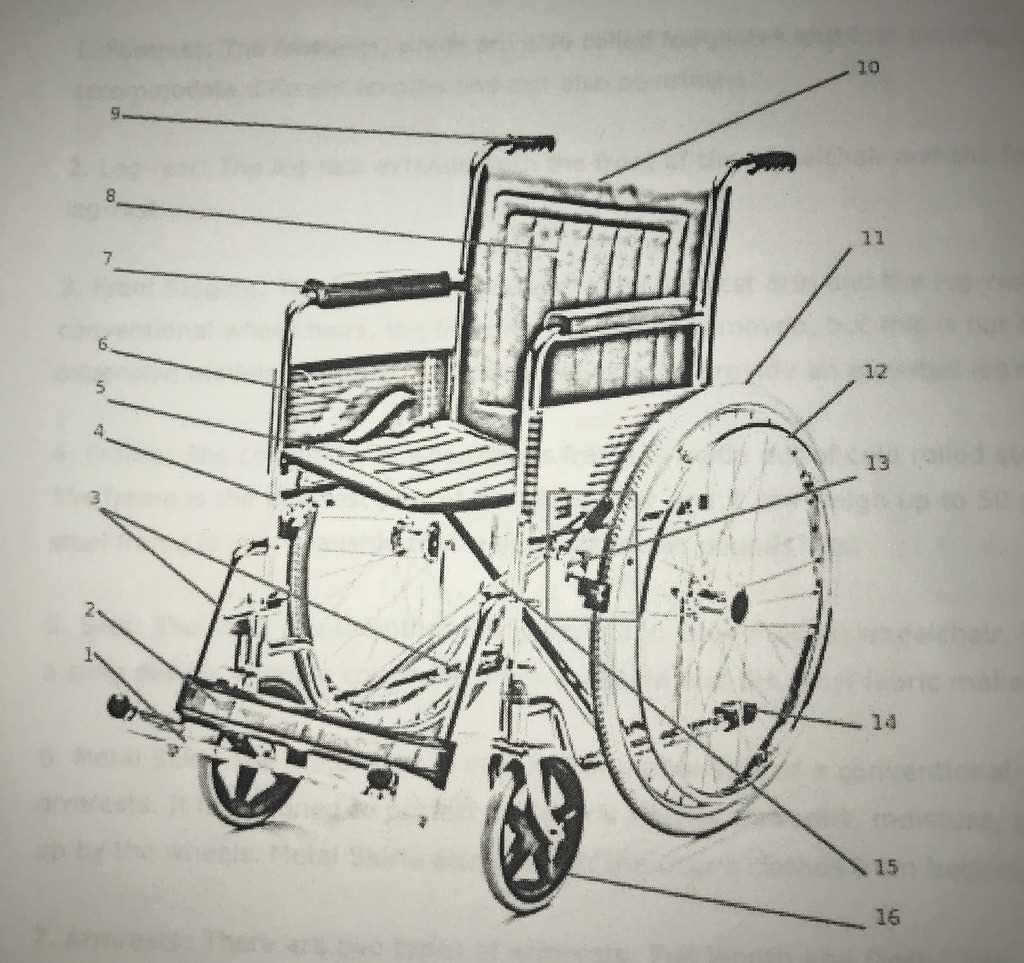
The frame is the core of the device, providing structural support. It’s vital to inspect it regularly for any bends or cracks, especially near the joints and welds. Any signs of damage can affect overall stability and safety.
The wheels, particularly the front casters and rear drive wheels, should be kept clean and well-maintained. Check for debris that might block movement and ensure the tires are properly inflated. Worn-out tires can compromise grip and increase the risk of accidents.
Armrests and footrests need to be securely attached and adjusted for comfort. Loose or broken armrests can lead to difficulty in shifting position or transferring. Footrests should be checked for stability, ensuring that they don’t shift during use or become misaligned.
The braking system requires frequent checks for responsiveness. Ensure the handbrakes engage fully and hold the device in place. Regularly clean and lubricate the brake mechanism to avoid rust and ensure smooth operation.
Lastly, the seat and backrest should be regularly inspected. Ensure that they are securely fastened and in good condition, as these components contribute directly to comfort and support. Worn-out upholstery or padding can affect both comfort and posture.
Understanding the Role of the Frame and Wheels in Mobility Device Design
The frame provides the structural integrity of the entire system. It is important to regularly inspect it for any cracks, bends, or signs of wear, particularly in high-stress areas like joints and welds. A solid frame ensures both safety and durability.
The wheels play a significant role in maneuverability and stability. Check the rear wheels for wear patterns, as uneven wear can lead to instability. Front casters should rotate smoothly and be free from debris. The tires should maintain proper inflation to ensure optimal traction and smooth movement.
For improved durability, choose a frame made of lightweight yet strong materials such as aluminum or titanium. When it comes to wheels, consider the environment in which the device will be used. Larger wheels are better suited for outdoor terrain, while smaller wheels are ideal for indoor use.
How to Identify and Maintain Key Mobility Device Components for Longevity
Inspect the frame regularly for any signs of cracks, bends, or wear, especially around high-stress areas. Any deformities can compromise the overall safety and performance. If any issues are found, replace the damaged sections promptly to maintain the device’s structural integrity.
The wheels need regular checks for proper alignment and smooth rotation. Ensure that the rear tires are not excessively worn and maintain appropriate inflation levels. For casters, remove any debris that may obstruct their movement. Replacing worn-out tires promptly will enhance the device’s maneuverability.
For the seating and backrest, check that all bolts and screws are tight. Loose components can lead to instability and discomfort. If the upholstery shows signs of wear, consider replacing or repairing it to avoid any loss in comfort and support. Cleaning the seat and backrest regularly will also prevent premature damage from dirt or moisture.
The braking system requires frequent attention. Test the brakes regularly for responsiveness and ensure they engage fully when applied. If they start to feel less effective, clean and lubricate the mechanism. For handbrakes, check for any signs of wear on the handles or cables and adjust them as needed.