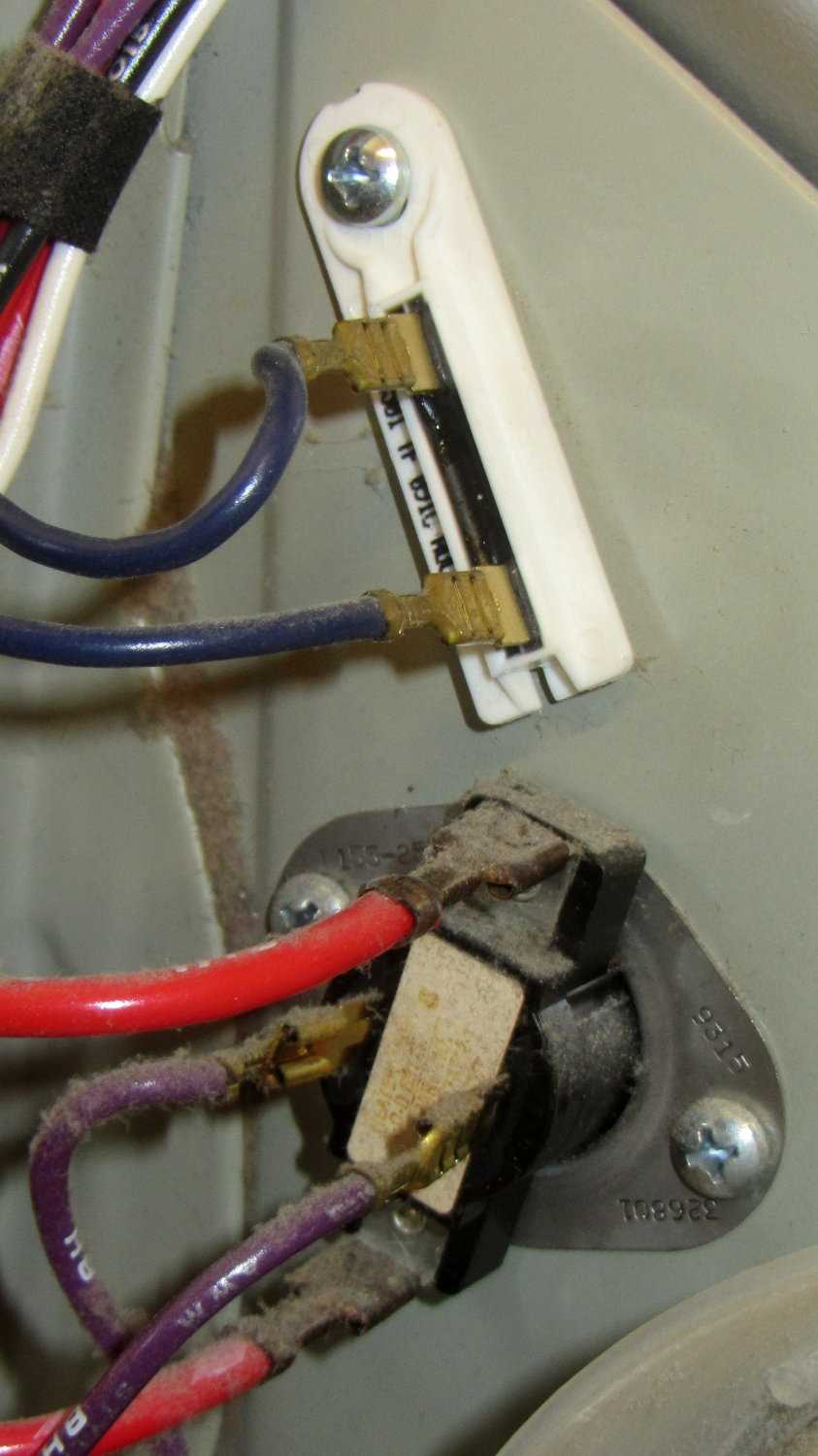
Verify the main power feed before handling any control leads. Use a multimeter to confirm voltage at the input terminals and ensure the unit is fully disconnected from the outlet. Mark each lead with color-coded labels to prevent misconnection during reassembly.
Route signal and power lines along factory channels whenever possible. Avoid proximity to moving parts or heat sources such as the heating coil. Secure each line with insulated clips or zip ties to prevent abrasion and maintain consistent contact.
Check grounding points for corrosion or paint coverage. Bare metal contact is required for proper operation of motors and sensors. Scrape or sand surfaces and retighten connections to maintain resistance below 0.2 ohms.
Test individual components before full system startup. Apply temporary power to the motor, sensors, and heating elements while monitoring current draw. Values outside the manufacturer’s range indicate a loose connection or a short that must be addressed immediately.
Appliance Circuit Connections and Layout
Connect the main power leads directly to the terminal block using ring terminals. Ensure tight crimps and verify that insulation does not interfere with the metal contact. Red and black conductors carry 240 volts across the motor and heating coil, while white serves as neutral.
Route signal and sensor lines away from high-heat components. Coil wires should avoid contact with the heating element and exhaust ducting. Use split loom tubing and secure lines with clips every 12 inches to prevent chafing.
Motor and Sensor Integration
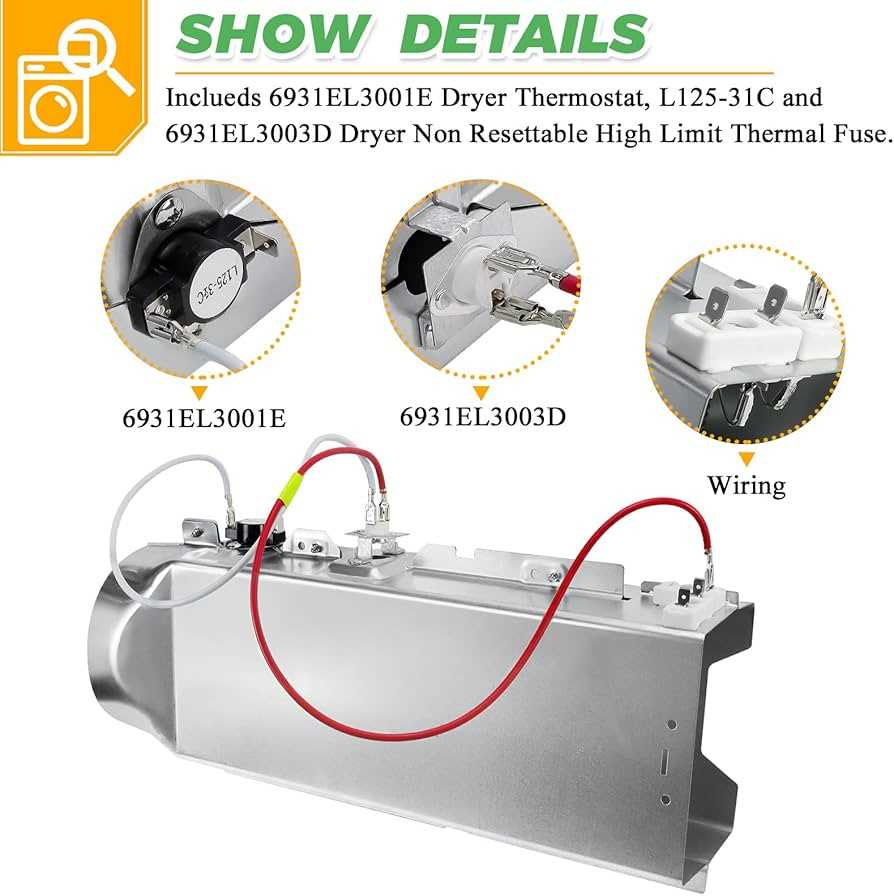
Test each motor and sensor individually before full operation.
- Apply 120 volts to the motor terminals.
- Check thermal fuse continuity with a multimeter.
- Confirm current draw aligns with manufacturer specifications: motors typically draw 3–5 amps at startup.
Preventing Faults and Shorts
Inspect all connectors for oxidation and tightness. Clean terminals with contact cleaner and apply a thin layer of dielectric grease. Label each lead to simplify future maintenance and reduce the risk of reversed connections.
Install inline fuses or circuit breakers according to load ratings. This protects the system from short circuits or overloads. Ensure the protective devices are rated 20–30% above combined load of the motor, sensors, and heating elements to avoid nuisance trips.
Tracing Power and Control Leads Safely
Always disconnect the unit from the power source before inspecting circuits. Use a multimeter to verify zero voltage at input terminals. Label each lead to match its corresponding control or sensor connection to prevent errors during reassembly.
Follow factory channels when routing signal and power conductors. Keep lines away from moving parts and heat-emitting components. Secure every 12–18 inches with insulated clips and protect exposed sections with split tubing to prevent abrasion or shorts.
Test continuity and resistance before full operation. Measure each line from the control module to the component, ensuring resistance remains below 0.2 ohms. Any reading above this may indicate corrosion, loose connections, or damaged insulation that must be corrected immediately.