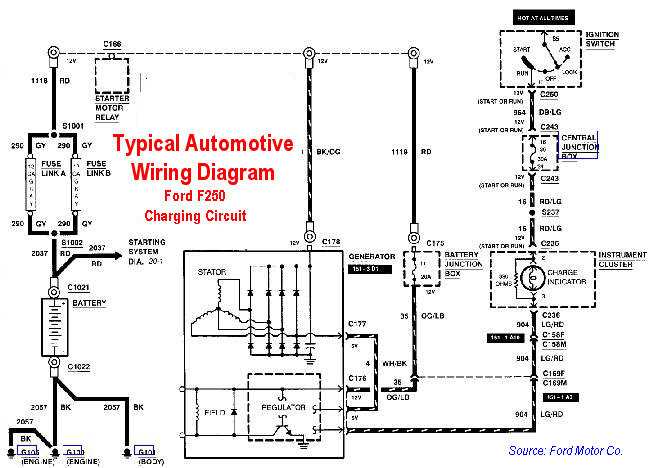
Identify all power sources and grounding points in the engine bay and passenger compartment. Use a multimeter to confirm voltage levels before attaching connectors.
Label each terminal and harness segment with colored tape or permanent markers. This ensures correct alignment of high and low current circuits and prevents misconnection of relays or sensors.
Separate circuits by function using dedicated fuses for headlights, brake modules, indicators, and auxiliary devices. Recommended fuse ratings: 10A for low-demand bulbs, 15A for high-current elements, and 7.5A for signal circuits.
Secure all joints with crimped connectors and heat-shrink sleeves to maintain conductivity and resist corrosion. Route harnesses along factory channels and avoid sharp edges, moving parts, and hot surfaces.
Test each connection sequentially by activating headlights, brake signals, and auxiliary modules. Check for stable voltage, correct polarity, and proper illumination to confirm safe operation.
Automotive Electrical Layouts and Connections
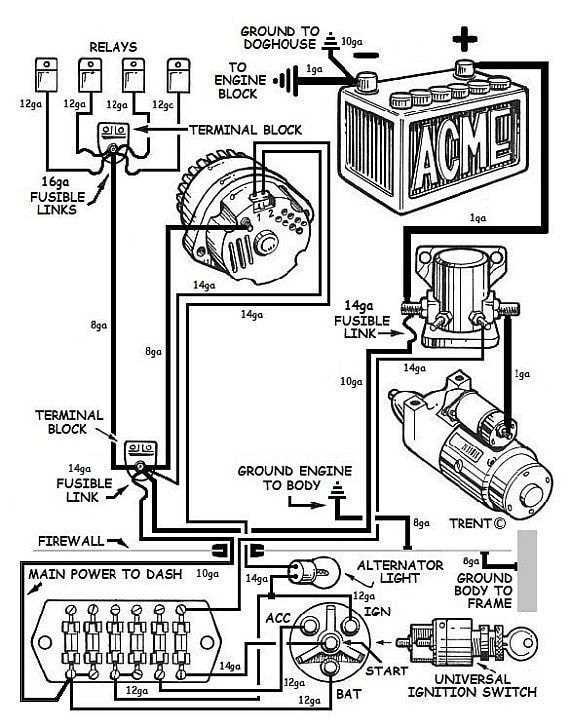
Begin by identifying all power sources and ground points across the engine bay and passenger compartment. Confirm voltage levels at each terminal using a multimeter before connecting any circuits.
Segment circuits by function to prevent overloads and simplify troubleshooting.
- High-demand modules like headlights or fog units should have dedicated fuses and relays.
- Indicators and brake modules can share low-current fuses, but keep separate paths for safety.
Label all connectors and harness segments with colored tape or heat-resistant markers. Maintaining clear identification ensures correct alignment and reduces risk of misconnection during repairs or upgrades.
Secure all joints with crimped terminals and heat-shrink tubing to maintain conductivity and prevent corrosion.
- Route harnesses along factory channels or brackets.
- Avoid contact with hot surfaces, moving parts, or sharp edges.
Testing and Verification
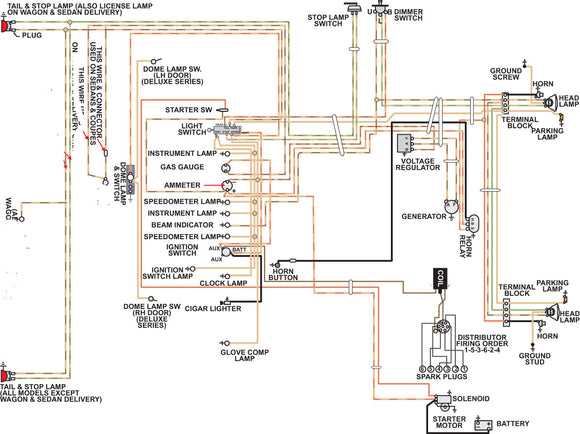
Sequentially activate each module including head units, brake indicators, and auxiliary systems. Check for correct polarity, stable voltage, and consistent illumination.
Relay Installation and High-Current Circuits
Install relays close to power sources for circuits with high current draw.
- Use short, thick wires from the battery to relay terminals.
- Ground relay bodies directly to the chassis for voltage stability.
This prevents flickering and protects switches from overcurrent
.
Document all routing paths and terminal assignments using a reference sheet or labels. This simplifies future maintenance, replacements, or modifications, ensuring safe and reliable operation.
Power Distribution and Fuse Assignments
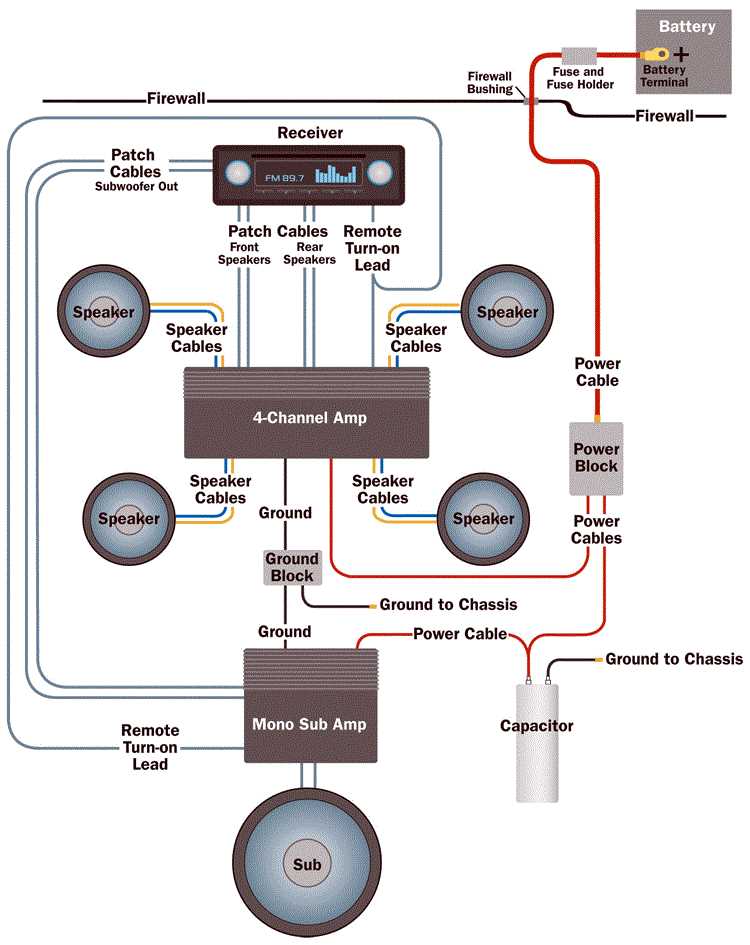
Connect each power line directly to its designated fuse to prevent overloading circuits. Use separate fuses for high-current modules like headlights and fog units, while low-current devices can share common protection.
Label each fuse clearly with its rating and corresponding module. Common ratings include 10A for indicators, 15A for head units, and 7.5A for dashboard and signal circuits.
Install main power feeds close to the battery terminals to minimize voltage drop. Use thicker cables (12–14 AWG) for high-demand circuits and thinner gauge (18–20 AWG) for control lines.
Route branch circuits through organized fuse blocks to simplify maintenance.
- Keep high-current and low-current paths separate.
- Ensure all terminals are tight to avoid arcing or intermittent operation.
Include relays where necessary to protect switches and thin connectors from heavy current. Relay placement near power sources reduces heat build-up and maintains stable voltage to modules.
Test each circuit after installation using a multimeter and test light. Verify that all fuses blow only under appropriate overload conditions and that voltage reaches each device without drop.