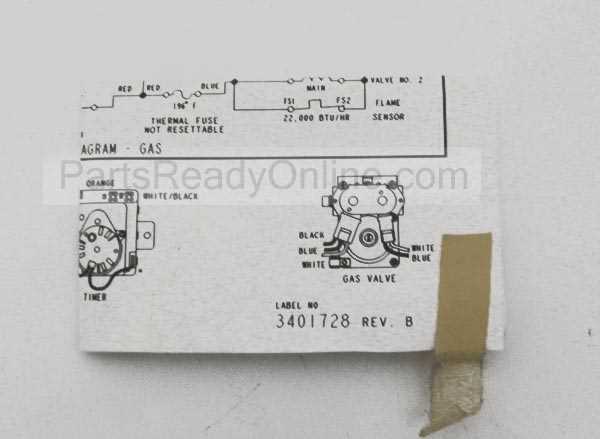
Connect the main power leads to a stable 240V AC source with proper grounding. Verify that the line and neutral conductors match the terminal markings to prevent short circuits or component damage.
Follow the control board layout to match each sensor and actuator to its designated terminal. Incorrect placement can cause false readings or prevent the unit from completing cycles.
Separate high-voltage and low-voltage lines to minimize interference. Keep heating element circuits isolated from timer and motor signal paths for consistent operation.
Secure all terminal screws to the recommended torque values. Loose connections can create intermittent faults, while over-tightening can strip threads or deform contacts.
Document all connections including polarity and pin numbers. This record simplifies troubleshooting and ensures accurate reconnections after maintenance or part replacement.
Electrical Layout with Terminal Connections and Component Mapping
Verify all power connections before activating the unit. Connect the line and neutral conductors to their marked terminals, and ensure the ground wire is securely fastened to the chassis. Improper connections can lead to blown fuses or control board damage.
Follow the terminal assignment chart for each component:
- Heating element connections to the relay terminals
- Motor leads matched to the control board outputs
- Sensor signals routed to their designated input pins
- Timer and door switch connections verified for correct polarity
Secure all screw terminals and double-check continuity using a multimeter. Label each line for future reference and maintenance. Documenting the layout prevents misplacement of components and ensures accurate replacements or troubleshooting.
Power Supply Connections and Voltage Requirements for Safe Operation
Connect the unit to a stable 240V AC source and ensure the supply lines match the terminal markings. Reversing line and neutral can trigger fuses and damage control circuits.
Use a dedicated circuit with a 30A breaker to prevent overloads. Shared circuits with other high-current appliances may cause voltage drops affecting heating element performance.
Verify that the ground wire is securely attached to the chassis. This protects against accidental shorts and prevents shock hazards during operation.
Voltage Testing and Verification

Measure the voltage at the terminal strip before switching on. Ensure readings are within ±5% of 240V AC. Check for dips under load to confirm the supply can handle the element and motor simultaneously.
Install a fuse or surge protector to safeguard the electronic controls. Regularly inspect connections for corrosion or loosening, and label each conductor for easier maintenance and troubleshooting.