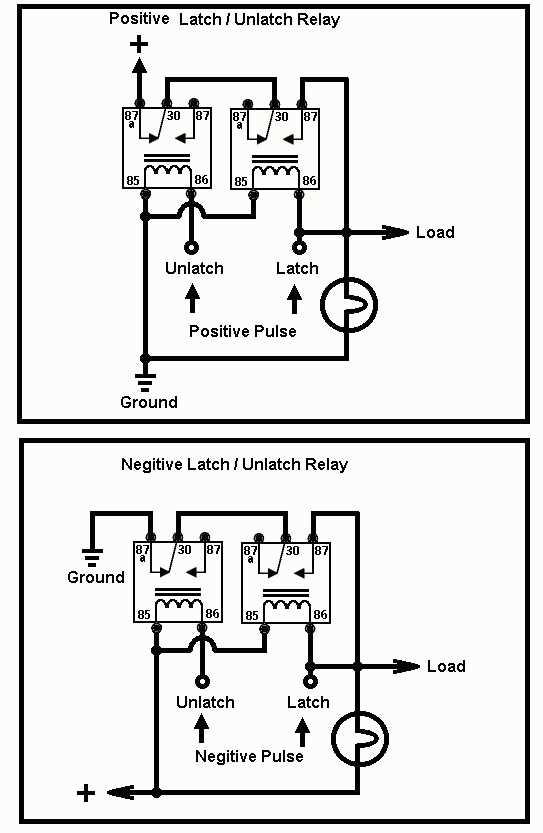
Identify coil terminals before applying power. Each device has designated points for activating the internal switch, and connecting them incorrectly can prevent operation or damage the control source.
Determine contact positions for single and double coil types. Use a continuity tester to confirm normally open and normally closed contacts, ensuring the load will switch correctly when energized.
Follow polarity indications for DC-operated devices. Reversing voltage can cause the actuator to fail or energize incorrectly, so mark each terminal and verify with a meter before powering.
Label all conductors clearly to avoid confusion during installation. This makes maintenance easier and prevents accidental short circuits when adding or modifying connections in the future.
Guide to Connecting Toggle Hold Devices
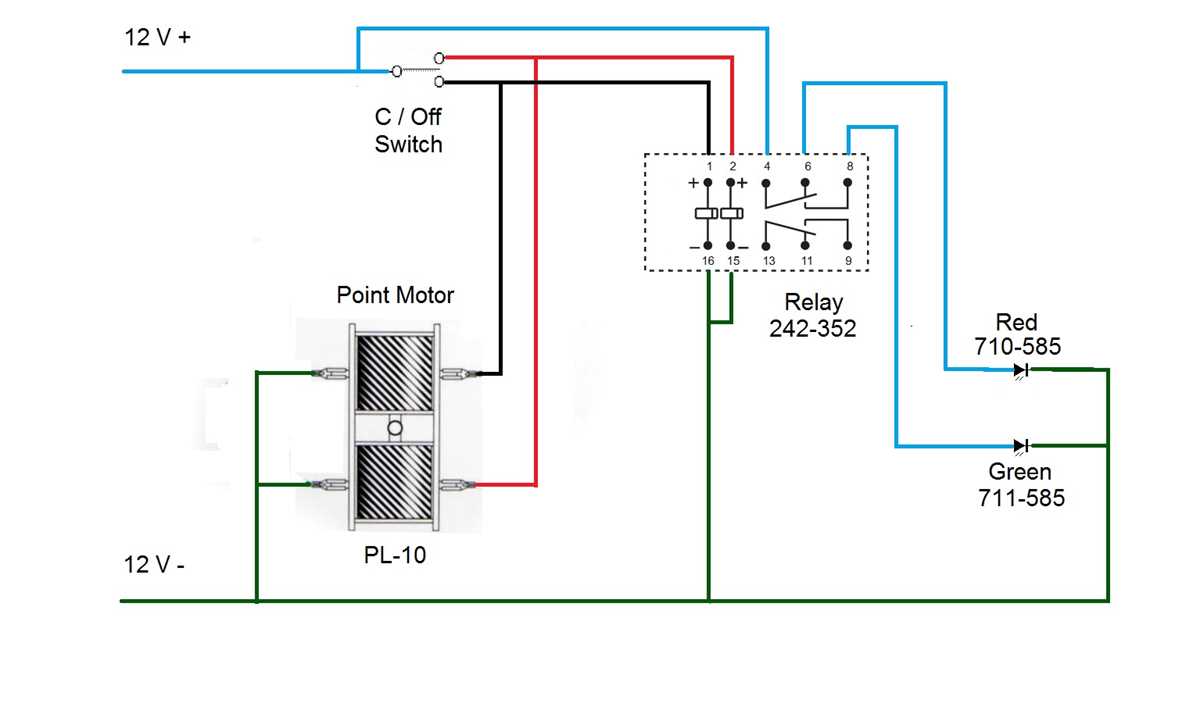
Identify the coil terminals first. Use a multimeter to confirm which points receive control voltage. Incorrect connections can prevent the actuator from switching or damage the power source.
Determine the correct load connections. Single and double coil devices have different arrangements. Check the normally open and normally closed contacts to ensure proper operation with the intended load.
Observe voltage polarity for DC-controlled units. Connecting in reverse may energize the coil incorrectly or prevent actuation. Always mark each terminal and verify with a meter before applying power.
Secure all connections firmly under terminal screws. Loose conductors can cause arcing, intermittent operation, or overheating. Wrap wires completely around screws and tighten according to manufacturer specifications.
Arrange conductors neatly inside the box or panel. Keep live and return paths separated to prevent accidental shorts. Avoid sharp bends that can damage insulation over time.
Test each function before final installation. Apply control voltage briefly to confirm switching behavior and verify that contacts operate as expected. Check for continuity and correct transition between states.
Label terminals and document connections. Clear markings reduce errors during maintenance or expansion. Recheck each connection after assembly to ensure long-term reliability and safety under load conditions.
Identifying Coil and Contact Terminals
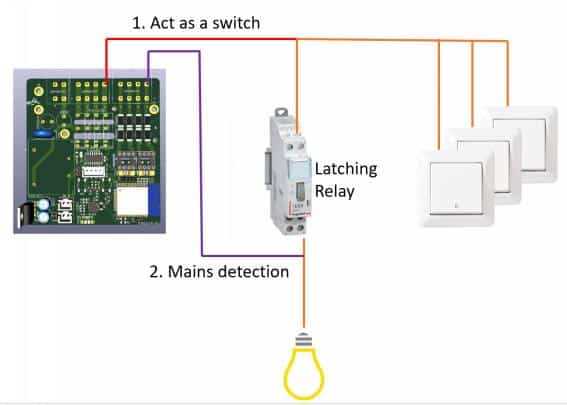
Locate the coil terminals first to ensure proper activation of the device. These are usually marked or positioned separately from the load contacts. Use a multimeter to check resistance and confirm continuity across the coil points.
Examine the contact arrangement carefully. Most devices have a combination of normally open and normally closed terminals.
- Normally open (NO) closes when the coil is energized
- Normally closed (NC) opens when the coil is energized
Verifying each connection prevents misoperation and ensures the load switches as intended.
Mark each terminal clearly after identification. Label coil and contact points to avoid confusion during assembly. Double-check polarity for DC-operated units and confirm that no accidental shorts exist between the control and load paths before powering the device.