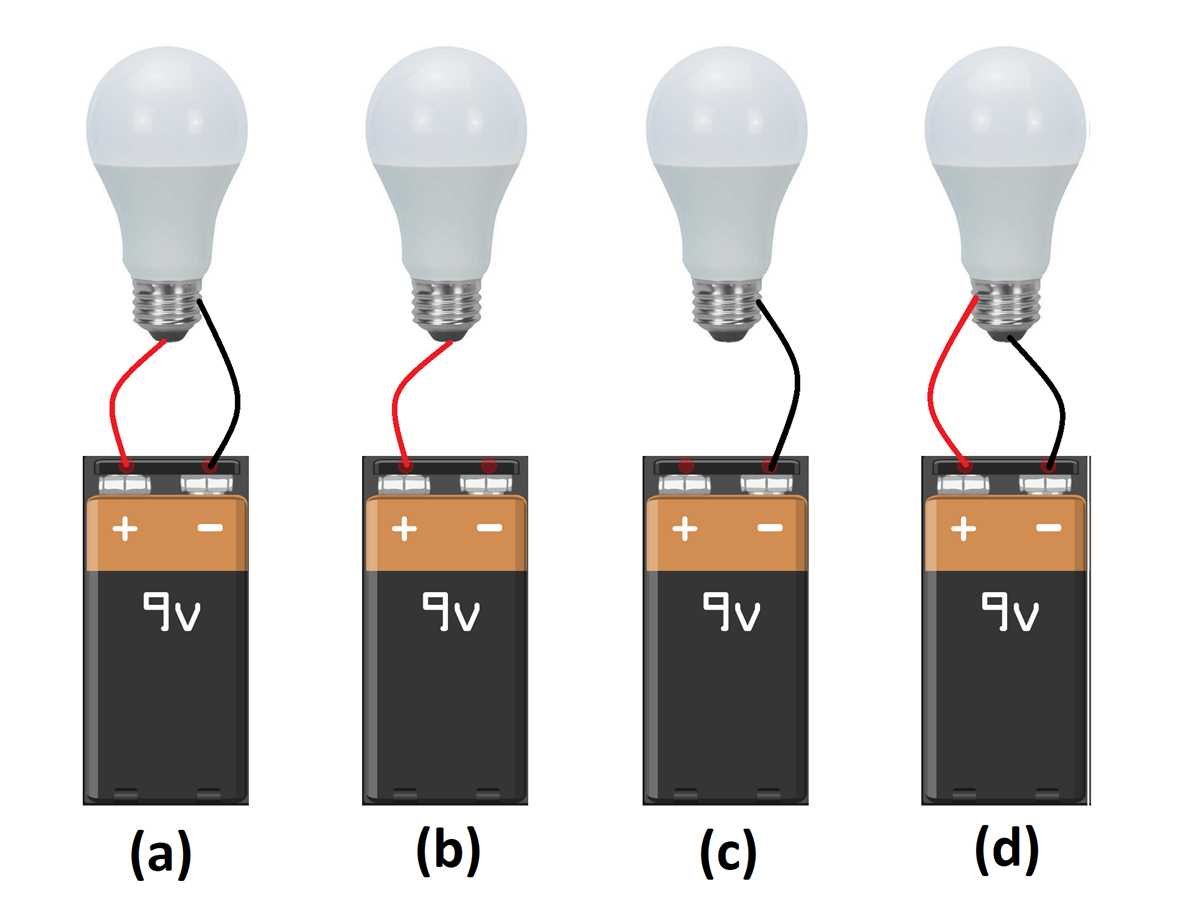
Always confirm the terminals before linking energy cells to prevent reverse current flow that can damage components. Use a multimeter to check the voltage orientation and mark the leads clearly with contrasting colors for identification.
When assembling electronic boards, align the red lead with the supply input and the black lead with the ground plane. Incorrect placement can cause overheating, blown fuses, or failure of sensitive modules.
Follow standardized symbols in schematics to distinguish between high and low potential ends. This ensures consistent interpretation across different layouts and prevents accidental cross-connections during testing or repairs.
For devices with multiple cells in series or parallel, maintain uniform orientation for all elements. Even a single inverted component can alter the total voltage, disrupt load distribution, and reduce overall system stability.
Power Source Connections and Orientation in Electrical Layouts
Always verify terminal polarity before linking any energy cell to conductive tracks. Connect the high-voltage lead to the supply path and the low-voltage lead to the ground path. Use colored markers or clips to maintain clear identification and prevent accidental reversal.
For multi-cell assemblies, ensure all elements are aligned in the same orientation. Mismatched connections can create opposing voltages that stress components, trigger protective devices, or reduce operational lifespan. Serial arrangements require careful attention to end-to-end alignment to maintain intended voltage levels.
Check connections during testing using a voltmeter or continuity tester. Confirm that each lead follows the intended path, avoiding short circuits or reversed current that could damage integrated modules. Adjustments before powering the layout save time and prevent costly repairs.
Identifying High and Low Potential Terminals in Schematic Symbols
Check each symbol carefully for polarity indicators before making connections. Most power source representations use a longer line for the high-voltage end and a shorter line for the ground or low-voltage end. Align leads accordingly to prevent reverse current flow.
Use color coding and labels to reinforce terminal identification. Red markers indicate the supply path, while black markers indicate the return path. This visual distinction reduces the risk of errors when assembling or troubleshooting layouts.
Refer to datasheets for unfamiliar components to verify terminal assignments. Manufacturers often specify the orientation of internal elements, including which lead is meant for voltage input and which connects to the reference plane.
Double-check connections with a multimeter before energizing the layout. Measuring the potential difference confirms that each end matches the intended high or low potential, preventing damage to sensitive modules or integrated circuits.
Maintain consistency across multiple elements when linking several power sources in series or parallel. Mismatched orientation can create conflicting voltages, reduce overall efficiency, and cause premature component failure.