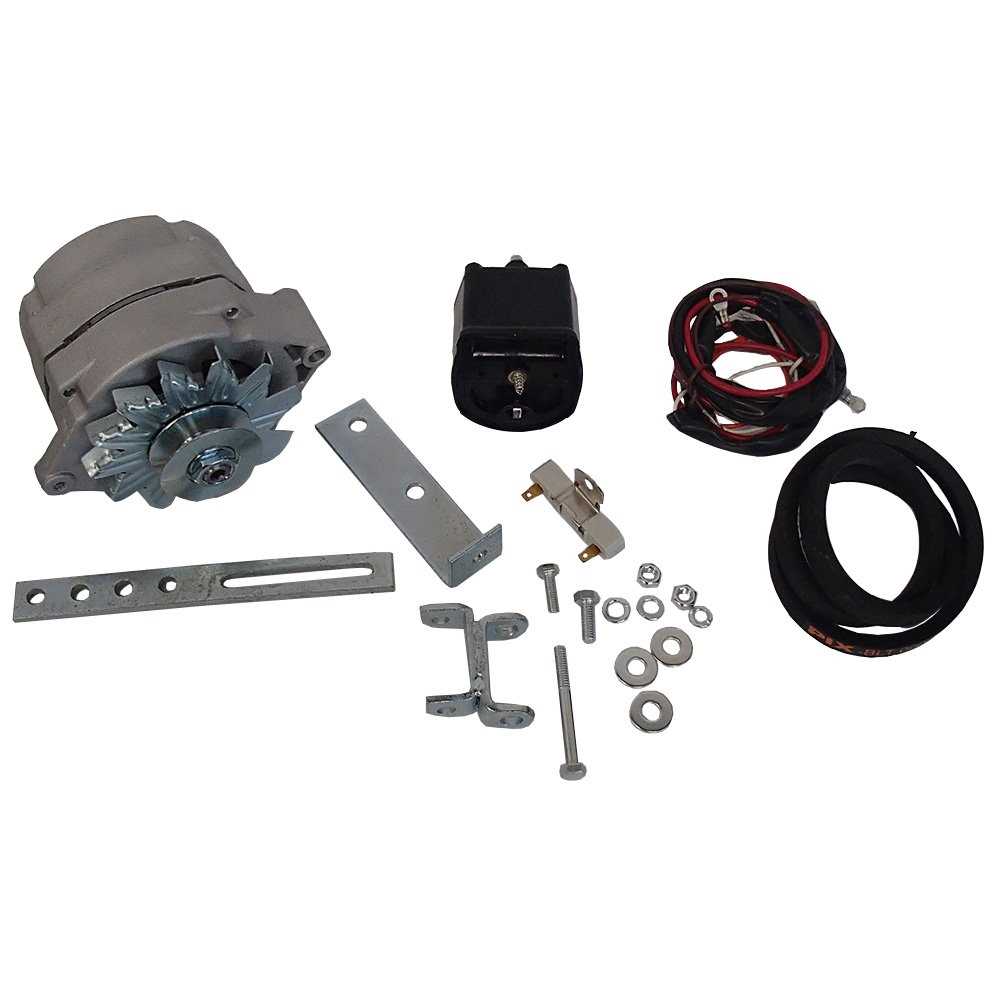
If you’re looking to improve your tractor’s electrical performance, upgrading the system to a more modern setup is a practical solution. The first step is replacing the old generator with a newer 12-volt alternator, which will ensure more reliable power output and prevent battery drain during use. You’ll also need to update the voltage regulator, as the old one won’t be compatible with the new charging system.
Begin by swapping out the 6-volt battery for a 12-volt one. This change allows for better starting power and a more consistent flow of electricity throughout the system. Once the battery is replaced, rewire the electrical connections to ensure that the alternator, starter, and other components are properly integrated into the new system. Pay attention to the correct polarity, as reversing connections can cause serious issues.
While performing the upgrade, check all the wiring for wear and tear. Old wires can degrade over time, causing shorts or even fires. Replacing damaged or frayed wires is an important step in ensuring that the new electrical system functions smoothly. Also, don’t forget to install new light bulbs and fuses that are rated for the 12-volt system to avoid overloads and maintain safety.
12V Conversion Wiring Guide for Ford 8N Tractor
Start by removing the original 6-volt components, including the generator, battery, and regulator. Replace the battery with a 12-volt version, ensuring the new battery fits properly. Next, install a 12-volt alternator to ensure that the charging system can handle the increased power output. Check that the alternator is compatible with your tractor’s engine and can be easily mounted in the existing space.
Step-by-Step Instructions
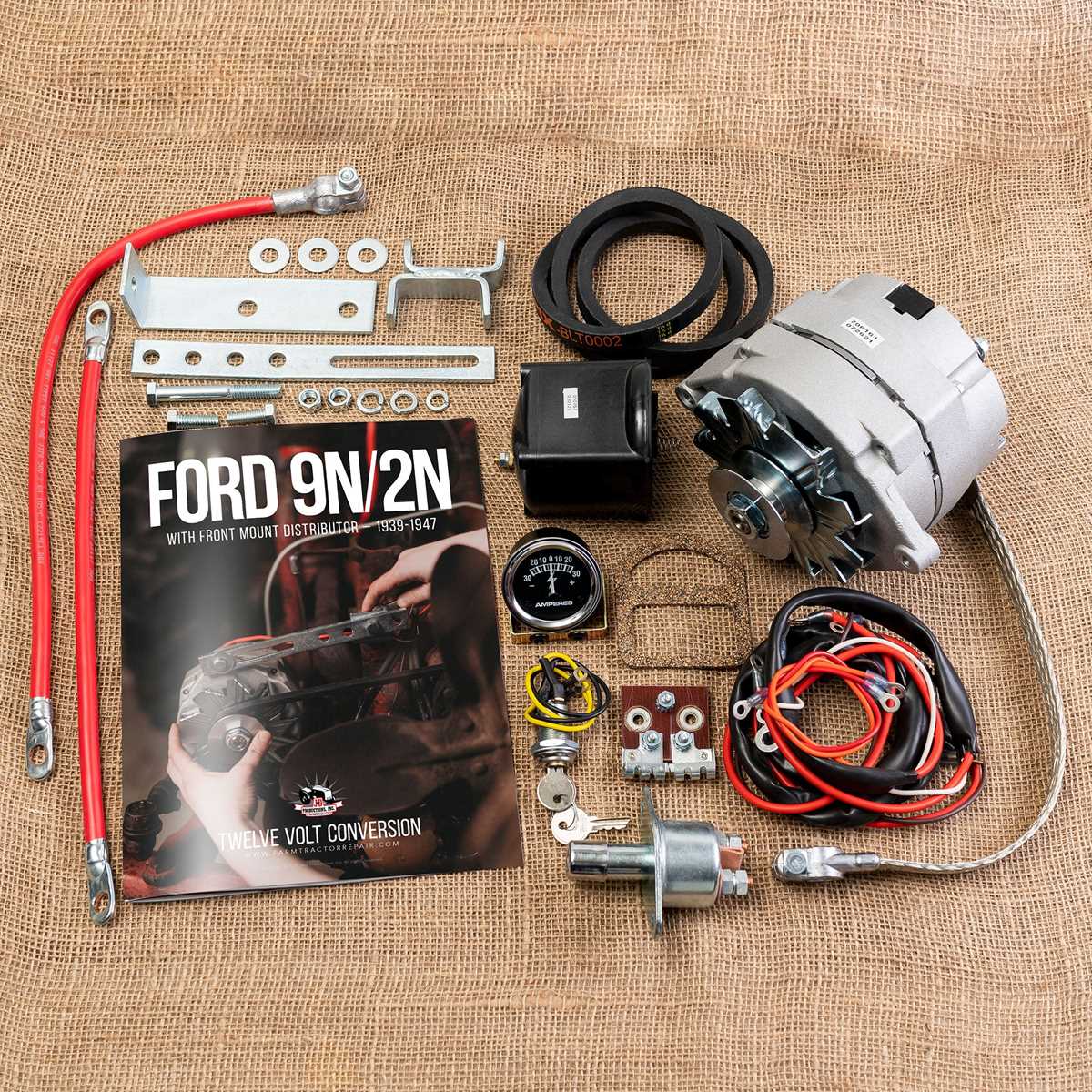
- Install the 12-volt alternator: Mount it securely and connect the charging output to the battery positive terminal.
- Replace the voltage regulator: Use a 12-volt regulator and wire it to the alternator and battery, ensuring proper connection to avoid overcharging.
- Reconnect the starter motor: Make sure the starter is correctly wired to the new power setup, as the 12-volt system will provide higher current.
- Replace lighting and electrical components: Swap out all light bulbs, fuses, and switches for 12-volt rated parts to ensure they handle the increased voltage.
Once the components are in place, recheck all connections for security and correct polarity. After double-checking, test the electrical system by turning the tractor on and observing the battery charge level and light function. If there are any issues, recheck the wiring for mistakes or faulty connections. Properly upgrading the electrical system will make your tractor more reliable and capable of handling modern tools and attachments.
Steps to Upgrade the Ford 8N to a 12V Electrical System
Begin by disconnecting the tractor’s battery. It’s crucial to remove the old 6-volt battery and ensure that all electrical power is cut off before starting the upgrade process. This will prevent any accidental short circuits while working on the electrical system.
Next, remove the old generator and replace it with a 12-volt alternator. The new alternator will provide consistent charging power for the new battery. Ensure the alternator fits within the available space and that its output matches the needs of the tractor’s new electrical system.
Now, replace the voltage regulator. The old 6-volt regulator will not work with the 12-volt system, so install a new 12-volt regulator. The regulator helps maintain the proper voltage levels to prevent overcharging or undercharging the battery. Wiring the regulator correctly is critical to avoid damaging the electrical system.
Swap the battery with a 12-volt model. Ensure that the new battery fits properly in the compartment and securely connects to the system. Double-check the polarity of the battery before making any connections, as reversed polarity can cause serious issues in the electrical system.
Upgrade the tractor’s light bulbs to ones rated for 12 volts. The existing bulbs for a 6-volt system will not function correctly with the new power setup, and continuing to use them can cause them to burn out quickly. Replace them with 12-volt compatible bulbs to ensure consistent lighting performance.
After replacing the bulbs, check the switches and fuses. Some of the existing fuses may not be rated for the higher voltage and could cause electrical overloads. Replace any fuses that are rated for 6 volts with ones rated for 12 volts to avoid potential issues.
At this stage, inspect all the wiring for wear and tear. The old 6-volt wires may be damaged or degraded, so replacing any frayed or corroded wires is necessary to ensure a safe and functional upgrade. Use appropriately sized wires for the 12-volt system to handle the increased power safely.
Finally, after replacing all the components, reconnect the battery and test the new system. Turn the tractor on and monitor the charging system. Check the voltage at the battery terminals with a multimeter to ensure it reads around 14 volts when the engine is running. If everything is functioning properly, the upgrade will be complete, and your tractor will now have a more reliable electrical system.