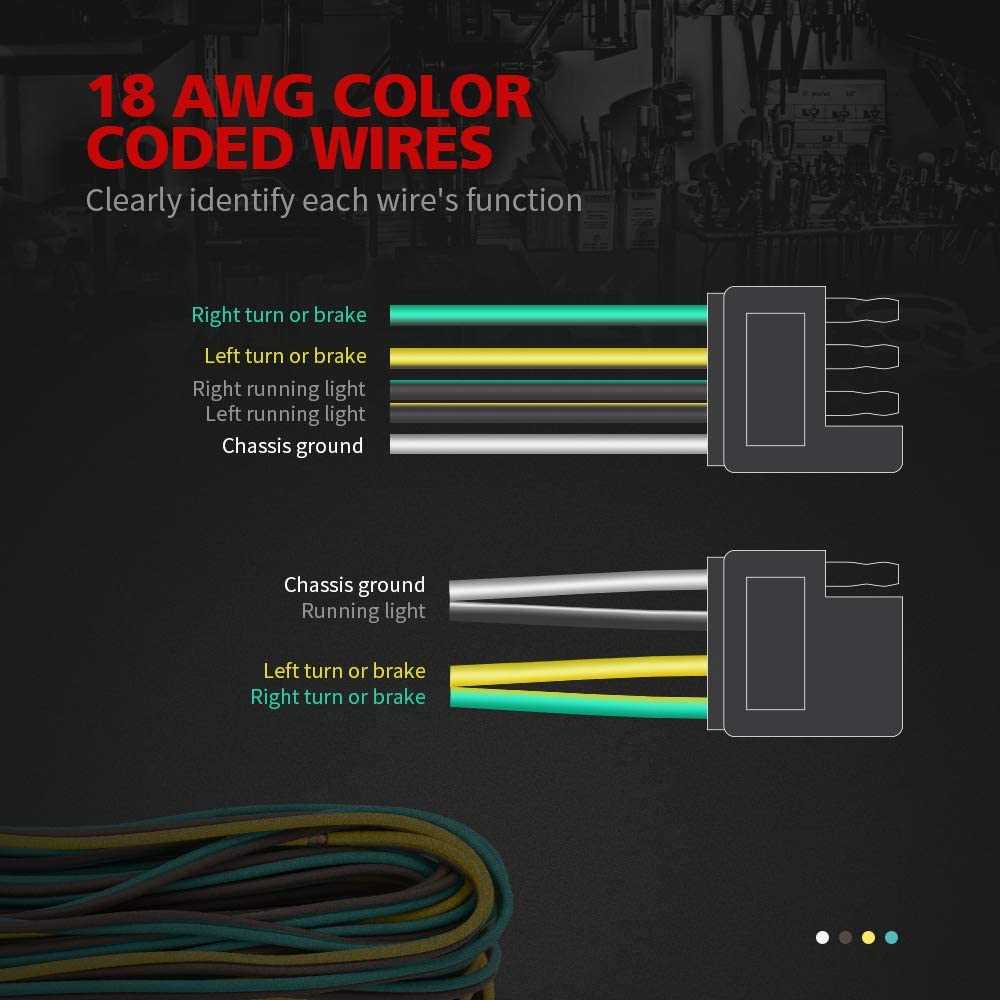
Match each pin to its specific function using standard color codes: brown for tail and running lights, yellow for left turn, green for right turn, and white for ground. Correct placement prevents short circuits and ensures all signals operate reliably.
Secure the leads firmly in each slot and avoid sharp bends or contact with metal edges. Use clamps or protective sleeves to reduce insulation wear and prevent accidental disconnections during towing.
Test all circuits before departure by activating lights and turn signals. Verify the ground connection is complete and the current flows properly to each function. Address any irregularities immediately to maintain safe road operation.
4 Way Trailer Connector Connection Guide
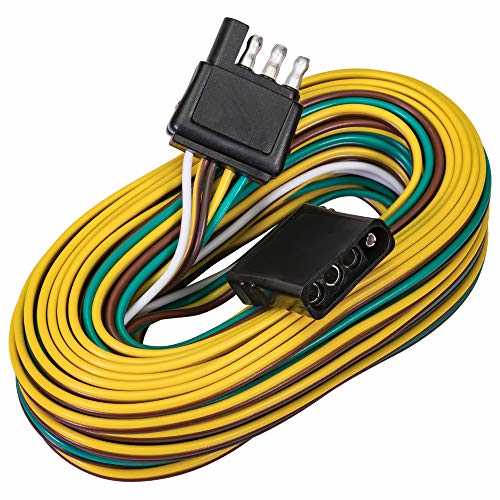
Identify each pin before installation. Use standard color coding: brown for running lights, yellow for left turn, green for right turn, and white for ground. Proper assignment ensures all signals function correctly and prevents short circuits.
Secure the leads in the housing by inserting them fully and tightening any clamps or screws. Avoid sharp bends or contact with metal edges to reduce insulation wear and prevent accidental disconnections during movement.
Test all functions after assembly:
- Activate tail and running lights to verify brown pin connection.
- Check left and right turn signals with yellow and green pins.
- Confirm continuity and proper grounding with the white pin.
Perform a visual inspection for loose contacts or frayed insulation. Ensure the harness is routed safely along the frame or protective channels. Correct any issues immediately to maintain reliable operation during towing and reduce the risk of electrical faults.
Identifying Pins and Color Codes
Start by matching each pin to its function. The brown lead controls tail and running lights, the yellow activates the left turn signal, the green handles the right turn signal, and the white provides grounding. Correct identification ensures proper operation and prevents short circuits.
Verify pin orientation in the housing. Each slot must accept the correct lead fully without force. Misalignment can cause intermittent connections or failure of one or more signals during use.
Inspect the leads for color fading or wear. Replace any that show exposed metal or frayed insulation to maintain reliable electrical contact and prevent accidental shorts.
Use a multimeter to test continuity for each function. Confirm the brown lead completes the circuit for running lights, yellow and green respond to turn signals, and white provides a solid ground path.
Label the pins with tape or markers if colors are unclear. Consistent labeling reduces mistakes when connecting or servicing the harness in the future.
Ensure the housing or mounting block is free of corrosion and debris. Clean contact surfaces to maintain stable electrical performance and prevent voltage drops or flickering lights.
Check the length of each lead. Excessive slack can allow movement and chafing, while too tight routing can pull connections loose. Adjust positioning for secure and flexible installation.
After identification and placement, perform a final test by activating all signals and inspecting each function visually and with a meter. Immediate correction of irregularities ensures safe operation and prevents electrical faults on the road.