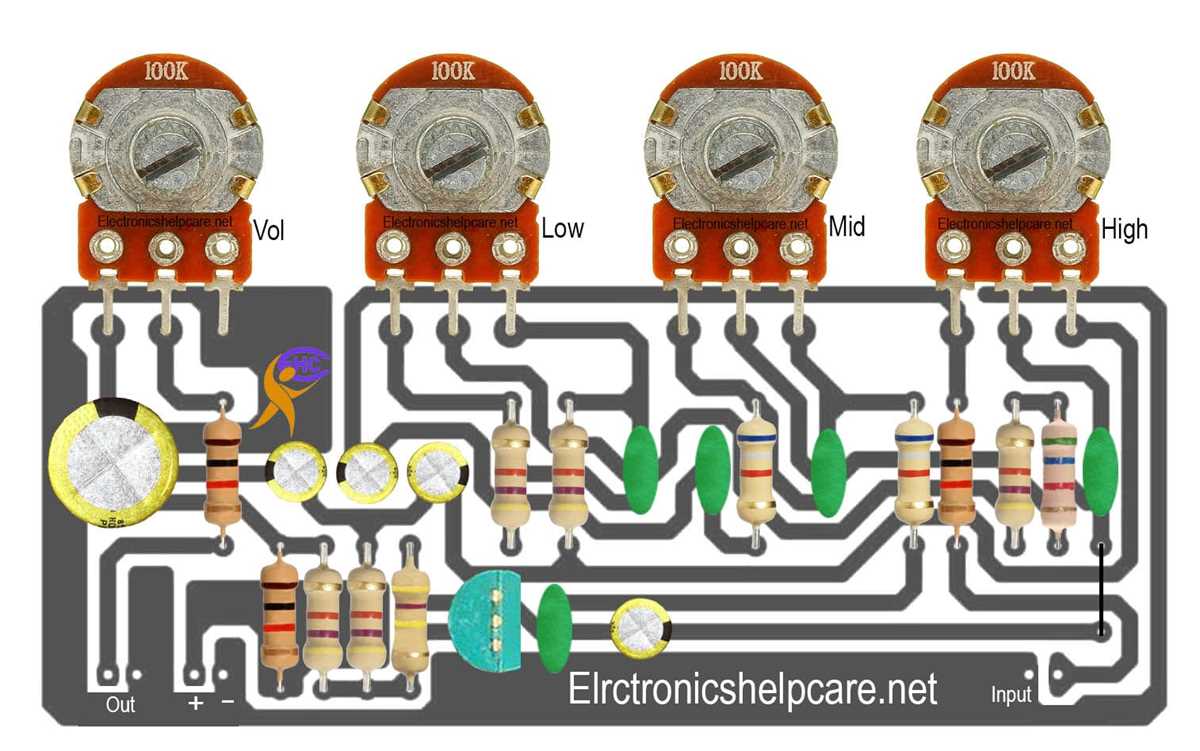
To build an audio amplifier setup, it’s crucial to first understand the structure of the initial amplification stage. This stage typically involves using components like transistors or op-amps to boost weak signals from microphones or instruments. The first step in your design process should be selecting the appropriate components based on input and output voltage levels to avoid distortion or signal loss.
When creating the layout, focus on the placement of resistors, capacitors, and transistors to ensure minimal interference and noise. Proper grounding is a key factor in maintaining signal clarity. Small errors in component placement or incorrect resistor values can lead to poor performance or malfunctioning, so be sure to verify all connections before powering up.
If you’re troubleshooting, check for power supply issues or damaged components first. Overheating of transistors can indicate incorrect biasing, while capacitor failure could result in signal instability. Knowing how to interpret component behavior in your build will help you quickly identify and resolve issues.
Preamplifier Design and Component Placement
For building an audio amplification stage, a clear layout is critical. Begin by selecting the right operational amplifier or transistor for signal boosting. Place resistors and capacitors in key positions to set the input impedance and frequency response of the system. Proper component selection affects the sound quality and stability of the design.
Choosing Components
- Resistors: These control the gain and biasing of transistors or op-amps. For instance, adjusting the value of feedback resistors can change the amplification factor.
- Capacitors: Used for coupling signals between stages, capacitors filter out low-frequency noise. Choose their values based on the expected frequency range of the input signal.
- Transistors or Op-Amps: These are at the heart of the amplification process. Select transistors with low noise characteristics or op-amps that can handle the required voltage levels without distortion.
Wiring and Layout
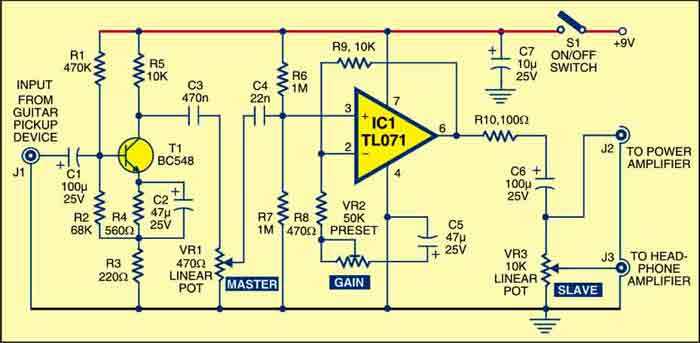
Pay attention to the layout of components to reduce unwanted interference. Avoid long wire lengths, as they can act as antennas and introduce noise. Keep high-gain parts of the design, such as the first amplification stage, away from power lines and large components. Proper grounding is also crucial–use a star grounding method to prevent ground loops.
Once the basic components are placed, verify all connections using a multimeter before powering up. Incorrect wiring can result in damaging sensitive components or producing unwanted distortions in the signal. Testing in stages, rather than all at once, helps to isolate problems early in the process.
If you’re facing issues, start by checking the power supply. Voltage fluctuations or insufficient current can cause instability. Next, inspect the components for signs of failure, such as heat buildup or discoloration in resistors and capacitors. Finally, test the system with known good input signals to determine where the issue lies in the amplification chain.
How to Read a Preamplifier Circuit Diagram
Start by identifying the power supply connections. Most amplifying systems use a dual-polarity power supply, typically marked as V+ and V-, which provide the necessary voltage to drive the components. Check the input and output points, often labeled as “IN” and “OUT.” The input usually connects to a microphone or instrument, while the output is where the amplified signal leaves the system. Follow the flow of signals to understand how the system boosts the audio from low to higher levels.
Next, examine the components such as resistors, capacitors, and transistors. Resistors control the gain and the bias of active components like transistors or operational amplifiers. Capacitors are used to filter out unwanted frequencies, ensuring the audio output is clear. Look for feedback loops or signal paths marked with lines connecting these components. These loops control the amount of amplification and help stabilize the signal. Ensure you understand how each part contributes to the signal’s overall flow and quality before making any modifications or adjustments.