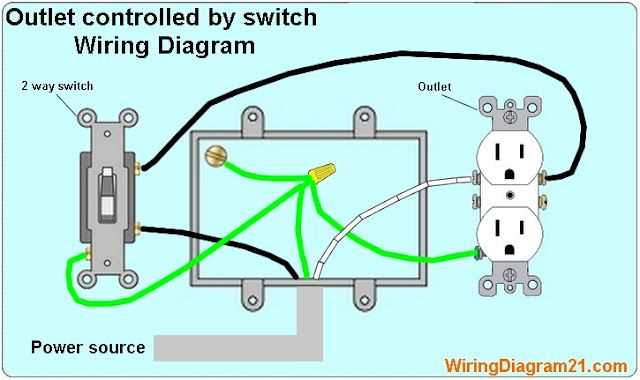
First, ensure the power is completely turned off before starting any electrical work. This is a critical safety step to prevent accidental shocks. Disconnect the power at the main circuit breaker, and double-check that the area you’re working on is not live by using a voltage tester.
Next, gather the right materials and tools. You will need a screwdriver, wire strippers, a voltage tester, and proper connectors. Make sure to use insulated wires that are rated for the electrical load. Avoid using outdated or damaged components, as this can lead to failures or hazards down the line.
Once you’re ready to begin, ensure that the electrical connections are secure and follow the recommended configuration. Pay careful attention to the placement of the hot, neutral, and ground wires to ensure correct functionality. If the connections are loose or improperly wired, the device will not work as intended, or worse, may cause a short circuit.
Switch Outlet Wiring Guide
Start by turning off the power supply at the breaker box. Double-check that the electrical circuit is completely de-energized using a voltage tester. This is an important safety step to prevent electrical shocks during installation.
Gather the necessary materials and tools. You will need insulated wire, a screwdriver, wire strippers, a voltage tester, and an electrical box. Make sure that the wire you’re using is rated for the amperage of the circuit to ensure safe operation.
Preparing the Wires
Strip the insulation from the ends of the wires using a wire stripper, exposing enough of the copper wire to make a secure connection. Typically, 3/4 inch of exposed wire is sufficient for making proper connections to the terminals.
Making the Connections
Connect the wires to the correct terminals on the device. The hot (live) wire should be attached to the brass terminal, the neutral wire to the silver terminal, and the ground wire to the green terminal. Double-check that each wire is securely fastened to its terminal, as loose connections can lead to failure or short circuits.
Position the device into the electrical box once all connections have been made. Ensure that the wires are tucked neatly into the box to avoid any stress on the connections when the cover plate is attached. Secure the device using screws provided in the kit.
Test the installation by turning the power back on at the breaker and checking the function of the newly installed device. If there are any issues, turn the power off again and inspect the connections for mistakes such as loose wires or improper placements.
Choosing the Right Tools and Materials for Outlet Wiring
Ensure the safety of your project by selecting the correct tools. You will need a reliable screwdriver, a voltage tester, wire strippers, and a pair of needle-nose pliers for precise wire handling. A good quality drill and a wire cutter will also be needed for preparing and installing the components.
For the wiring, use properly rated materials. Select wire that matches the amperage and voltage of your electrical system. Typically, 12-gauge wire is suitable for 20-amp circuits, while 14-gauge works for 15-amp. Be sure to choose insulated wire to prevent accidental short circuits.
- Use high-quality connectors and terminal screws for secure connections.
- Choose a sturdy electrical box that fits the device and provides enough space for the wires.
- Ensure all components are UL-rated for safety and long-term reliability.