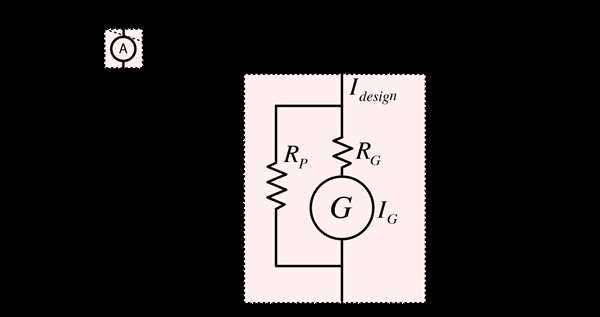
Connect the measuring device directly in series with the load to capture precise current readings. Placing it incorrectly in parallel can create short circuits and damage sensitive components.
Observe polarity markings carefully to prevent reverse current flow. Positive and negative terminals must align with the power source and load orientation, or readings will be invalid and may harm the instrument.
Ensure all connections are secure before applying voltage. Loose contacts increase resistance, generate heat, and produce fluctuating measurements that do not reflect true operating conditions.
Use protective fuses or limiters rated for the expected current range. This prevents overcurrent situations that can permanently damage both the measuring device and connected elements.
Series Connection for Accurate Current Reading
Place the measuring instrument directly in series with the load to obtain reliable current values. Connecting it incorrectly in parallel can create a short path that may damage the device and alter the measurement.
Verify terminal orientation before applying power. Positive and negative leads must match the source polarity to prevent reversed readings and potential overheating of sensitive components.
Secure all contact points using screw terminals or tight clip connections. Loose or corroded connections can introduce resistance, causing fluctuations in readings and inaccurate assessment of the circuit performance.
Test the setup with a low current first to ensure stability and correct operation. Gradually increase to the expected operating current while monitoring the device for unusual heat or irregular values, ensuring safe and precise measurements.
Correct Placement of a Current Measuring Device in a Series Path
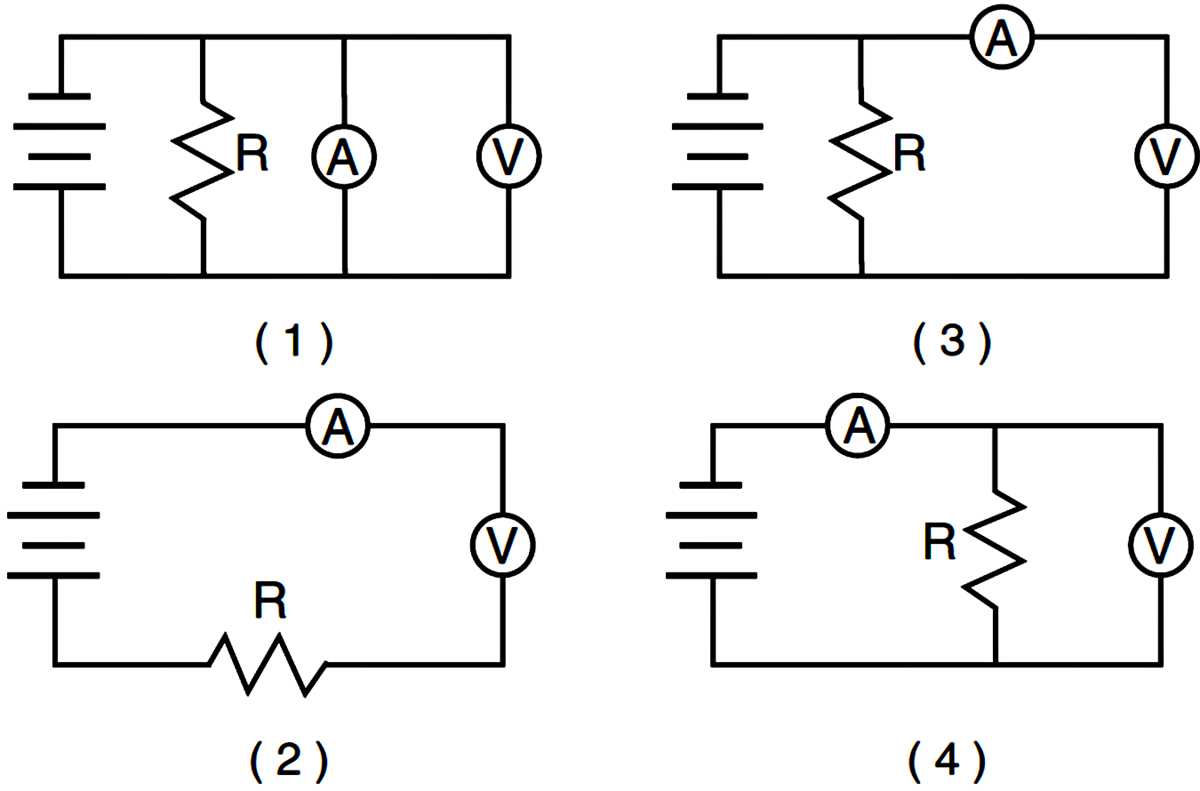
Insert the measuring instrument directly in line with the load to capture the full current flowing through the system. Avoid placing it across the power supply or in parallel, which can create a short and damage sensitive components.
Check the input and output terminals carefully. Positive and negative leads must align with the source and load polarity to prevent reversed readings and overheating of the sensor.
Identify all junctions in the series path and select a point where the device can be easily connected without disturbing other components. Mid-path insertion often provides the most accurate reflection of total current.
- Use insulated connectors to prevent accidental shorts
- Maintain consistent wire gauge to minimize resistance variance
- Avoid placing the device near high-temperature components
Ensure solid mechanical contact with each terminal. Loose screws, clips, or corrosion can introduce resistance, resulting in fluctuating or misleading readings.
Verify continuity before applying full voltage. Testing with a low current confirms proper insertion and prevents damage from unexpected short circuits or reversed polarity.
- Position leads along the natural path of the current
- Keep wires untangled to reduce induced noise
- Secure the device to a stable surface to avoid movement during measurement
Monitor the instrument during initial operation for abnormal heat or erratic readings. Gradual ramp-up to normal operating conditions ensures safe integration and reliable current measurement.