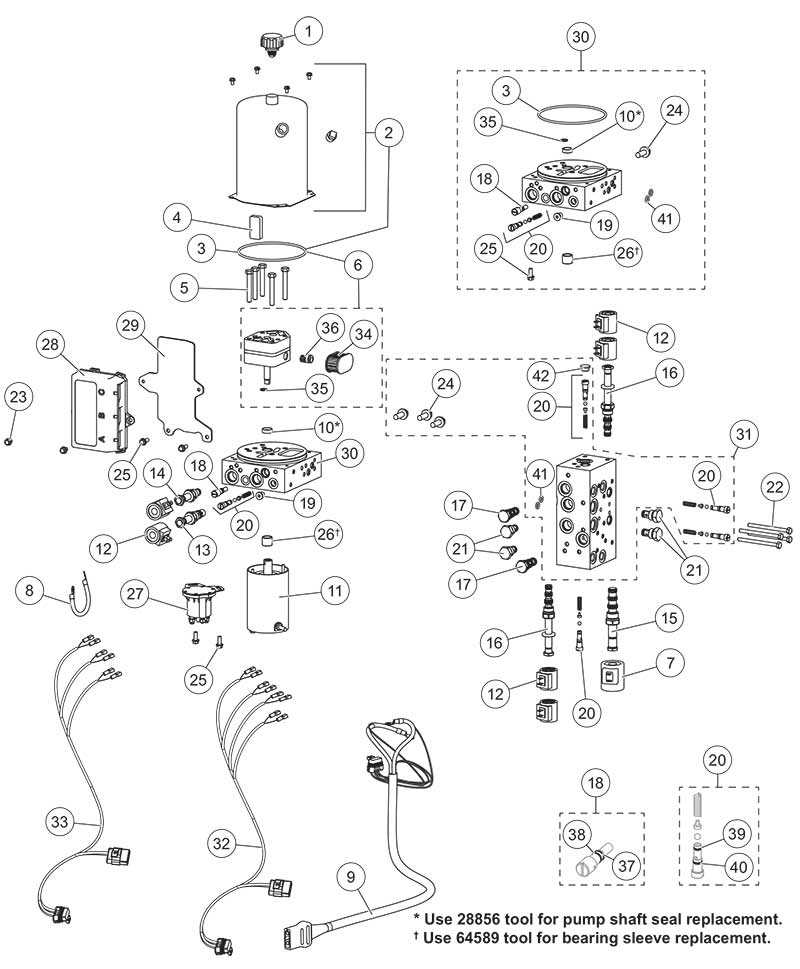
Begin by thoroughly examining the key components of your snow removal system to identify potential wear or damage. This will help in maintaining optimal performance, especially during heavy use. Pay close attention to critical elements such as the hydraulic system, control mechanisms, and mounting brackets. Each part plays a specific role in the overall operation and efficiency of the system.
Regular inspection of moving parts, such as cables and joints, can prevent costly breakdowns. Common signs of malfunction include uneven lifting, difficulty in controlling the movement, or visible signs of wear on high-stress components. Replace any worn-out or damaged components immediately to ensure safety and extend the lifespan of the equipment.
Consulting detailed visual guides or reference charts will assist in identifying parts and understanding their specific function. Ensure that you have access to accurate diagrams to facilitate a smoother maintenance process. These resources are invaluable when looking to troubleshoot or replace faulty components.
Snow Removal Equipment Components Breakdown
To maintain smooth functionality, it’s important to understand the different elements that make up your snow removal setup. Each component plays a critical role in ensuring efficiency during operations. Below is a breakdown of the main sections:
- Hydraulic System: This system is responsible for controlling the movement of the blade. Regularly check hoses, fittings, and fluid levels to prevent leaks or malfunction.
- Mounting Brackets: These secure the blade to the vehicle. Inspect for any cracks or signs of stress, as damaged brackets can compromise the stability and performance of the setup.
- Control Mechanisms: The controller allows for easy adjustments of the blade’s angle and position. Ensure that the wiring is intact and that switches are responsive to maintain precision control.
- Cables and Linkages: These connect the control mechanism to the blade, allowing for the movement of the blade itself. Check for fraying or stretching, as damaged cables can hinder the blade’s movement.
- Blade: The most exposed part of the system, responsible for clearing snow. Inspect for any visible damage, bending, or wear on the edges that can affect the quality of snow removal.
- Lights and Electrical Components: Ensure all lighting is functional for visibility during nighttime operations. Inspect wiring and connectors for wear or corrosion, especially in cold weather conditions.
Regular checks on these components, along with prompt replacement of any worn or damaged parts, will ensure a longer lifespan for your equipment and more effective snow removal during the winter season.
Identifying Key Components for Maintenance
To maintain peak performance of your snow removal equipment, it’s critical to regularly inspect key elements. These parts should be checked for wear and tear to prevent breakdowns during use:
- Hydraulic Cylinder: Responsible for lifting and angling the blade. Look for leaks or loss of pressure that could impact functionality.
- Mounting Frame: This structure secures the entire assembly to the vehicle. Inspect it for any signs of cracks or corrosion that could compromise stability.
- Control Valve: Controls the flow of hydraulic fluid to the moving components. Ensure that it operates smoothly and there are no fluid leaks.
- Blade Edge: The cutting edge must be free of chips, cracks, or significant wear. Replace it when it starts to wear down to maintain effective snow clearance.
- Pivot Pins and Linkages: These components allow for the blade’s movement. Check for any signs of loosening or wear that could result in poor performance or malfunction.
- Electrical Components: Ensure that all wiring, connectors, and lights are functioning. Test the electrical system regularly to avoid issues with blade adjustments or lighting.
- Bearings and Bushings: These small components reduce friction and wear in moving parts. Check them for signs of wear and replace them if they show signs of damage or excessive play.
By frequently inspecting these components, you can ensure that your equipment operates smoothly, preventing costly repairs and ensuring reliability throughout the winter season.
How to Troubleshoot Common Issues with Snow Removal Equipment
If the system isn’t working properly, here are some troubleshooting steps to follow:
- No movement of the blade: Check the hydraulic fluid levels. Low fluid can prevent movement. Also, inspect hydraulic lines for leaks, as a damaged line can cause a loss of pressure.
- Weak lifting power: Inspect the hydraulic pump and valve for any malfunctions. A worn-out or clogged filter can reduce pressure, so ensure it’s clean and functioning correctly.
- Unresponsive control: Check the control valve for blockages or debris. Also, ensure all electrical connections are secure, and test the electrical switch for continuity.
- Uneven blade angles: Inspect the pivot mechanism for wear or damage. If the blade doesn’t hold the angle, the pivot pins or bushings may need replacement.
- Excessive vibration: Look for loose bolts or damaged bearings. Tighten all mounting bolts and inspect the bearings for wear. Replace any damaged or worn components.
- Noise or grinding sounds: Inspect the gearbox for signs of wear or damage. Also, check the linkage and pivot points for proper lubrication to avoid friction-related noises.
- Electrical system failure: Check for blown fuses or faulty wiring. Inspect all connections to the control system, as corrosion or loose wires can interfere with the electrical signals.
By following these steps and addressing issues promptly, you can ensure your equipment operates smoothly, minimizing downtime and costly repairs.
Step-by-Step Guide to Replacing Damaged Snow Removal Equipment Components
Follow these steps to replace damaged components and restore the system’s functionality:
- Step 1: Preparation – Disconnect the power supply and hydraulic lines. Secure the equipment to prevent movement during repairs. Gather necessary tools such as wrenches, sockets, and replacement components.
- Step 2: Inspect the Damaged Area – Carefully assess the area for any visible damage. Identify which components are worn out or broken. For example, check the hydraulic pump, hoses, or the frame for cracks or excessive wear.
- Step 3: Remove the Faulty Component – Loosen and remove bolts securing the damaged component. For hydraulic components, safely disconnect any hydraulic lines, making sure to catch any spillage with a container. Remove the faulty component and set it aside.
- Step 4: Install the Replacement Part – Align the new component with the mounting points. Carefully secure it with bolts, ensuring everything is tightened to manufacturer specifications. If replacing hydraulic lines, ensure they are properly routed and secured.
- Step 5: Reconnect Hydraulic Lines and Electrical Components – Reattach hydraulic lines, ensuring there are no leaks. If the repair involves electrical components, reconnect wires, and ensure they are properly insulated to prevent short circuits.
- Step 6: Test for Functionality – Once the component is replaced, test the system to ensure proper operation. Check for any leaks, noise, or irregularities. Make adjustments if needed.
- Step 7: Perform Routine Maintenance – After the repair, perform any necessary lubrication and fluid checks. Regular maintenance can prevent future breakdowns and extend the lifespan of the equipment.
By following these steps, you can effectively replace damaged components and keep your equipment in optimal condition.