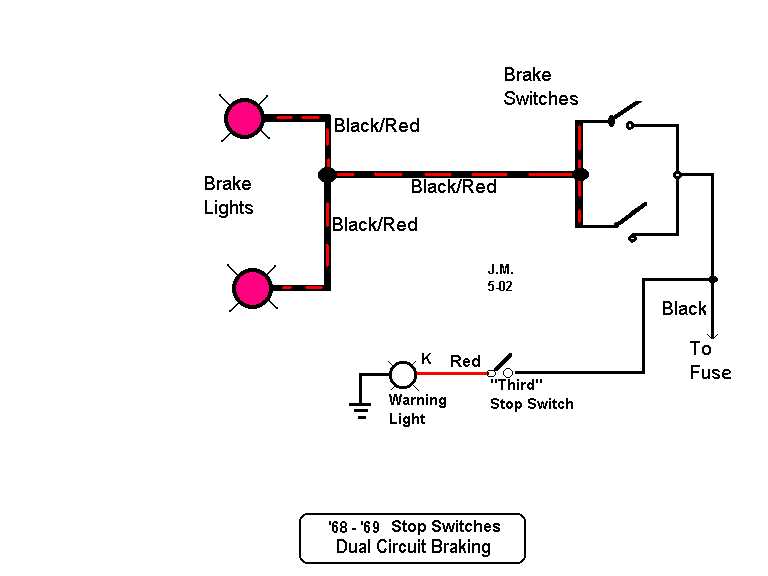
For reliable operation, always begin by ensuring the correct positioning of the activation mechanism that controls the rear indicators. Proper contact between the switch and the pedal assembly is vital for smooth functionality. Check the terminal connections for tightness and clean contact surfaces to avoid interruptions in signal transmission.
Inspect the wiring connections to prevent corrosion or wear over time, as poor connections often result in intermittent failures. It’s recommended to use high-quality connectors and ensure they are properly insulated. Make sure the wires are securely attached to the corresponding terminals on both ends of the mechanism for a stable electrical connection.
Positioning the switch correctly in relation to the actuator will prevent unintentional activation or failure to trigger the indicators when the pedal is engaged. Adjust the switch placement carefully to match the specific configuration of your vehicle’s system. Pay attention to the manufacturer’s guidelines regarding the placement and adjustment of this component.
Regular testing should be performed after installation, ensuring that the signals activate promptly with each press of the pedal. This step helps identify any potential issues early, before they develop into costly repairs.
Step-by-Step Guide for Connecting the Activation Mechanism
1. Start by disconnecting the vehicle’s battery. Before beginning any electrical work, it’s critical to ensure that the power is off to avoid any accidental short circuits or electrical hazards. Remove the negative terminal to be extra cautious.
2. Locate the activation mechanism near the pedal assembly. It is typically installed where the pedal arm meets the vehicle’s frame, with the activation contact placed just above the pedal itself. Depending on your vehicle, it may be held in place by screws or brackets. Gently remove any obstructions that may block access to the mechanism.
3. Remove the old connection (if applicable)
If you are replacing a malfunctioning part, first detach the previous component. Loosen the fasteners or clips holding it in place, and carefully disconnect any attached wires. Inspect for corrosion or damage on the connectors before proceeding to avoid reusing faulty components.
4. Prepare the new component
Before making any new connections, ensure the replacement part is clean and ready to be installed. Check the terminals for any manufacturing defects and use a wire stripper to expose the ends of the wires that will be attached to the terminals of the new part.
5. Attach the connections securely. Attach the positive wire to the terminal designated for it, and the ground wire to its appropriate connection point. Make sure the wires are seated properly, ensuring that no loose connections exist. If necessary, use a wrench or pliers to tighten the connections gently, but avoid overtightening, as this could damage the terminals.
6. Test the assembly once all connections are made. Reconnect the vehicle’s battery and check the response when the pedal is engaged. Observe the activation function to ensure the component triggers as expected. If the system does not respond, double-check the wiring and ensure the contacts are fully connected.
7. Secure the new mechanism in place. Once everything is functioning correctly, fasten the activation unit firmly with screws or brackets. Test the pedal again to ensure that the component remains stable, and there is no undue movement that could cause malfunction.
Troubleshooting Common Activation Mechanism Connection Problems
1. No signal response when the pedal is pressed–this typically points to a loose or disconnected wire. Inspect the terminals and connectors for any signs of corrosion or wear. If the wires are not securely attached, reattach them and ensure a tight fit. Check the mechanism for proper alignment to guarantee it’s correctly activating the circuit.
2. Intermittent function–this often occurs when there is a poor connection, which can be due to frayed wires or an oxidized terminal. Gently clean the contacts with a wire brush or a contact cleaner, then re-secure the wiring. If the issue persists, test the mechanism with a multimeter to check for fluctuating voltage or resistance.
3. Constant activation even when the pedal is not engaged
When the system stays active, even when you’re not pressing the pedal, it may be caused by an improperly adjusted contact within the mechanism. Adjust the position of the component to ensure it only activates when the pedal is pressed. Additionally, inspect for any mechanical obstructions that could keep the switch in a continuous “on” position.
4. No continuity between terminals
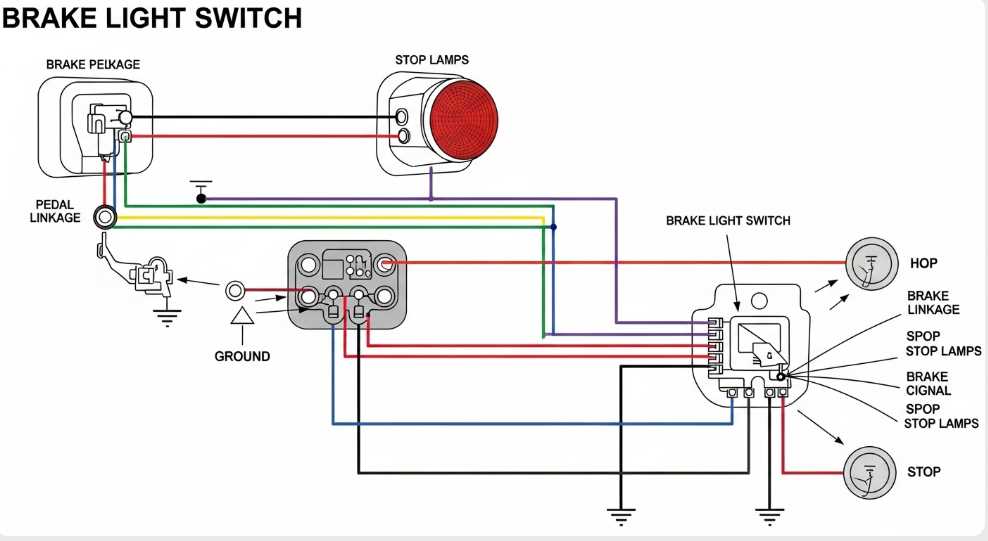
If there is no continuity when checking with a multimeter, the internal contacts inside the mechanism may be worn out or damaged. In this case, replacing the unit is often the most reliable solution. Verify that the electrical path is uninterrupted from one terminal to the other and that no part of the circuit is grounded prematurely.
5. Incorrect wiring or mismatched connections–ensure that each wire is connected to its designated terminal. Mismatched connections can lead to a malfunction or even short circuits. Refer to the specific instructions for your vehicle’s make and model to avoid any confusion with the connector placement.
6. Damaged insulation on the wiring can result in short circuits or loss of signal. If you notice exposed wires, immediately replace them with new, properly insulated cables. Use appropriate wire gauges and heat-shrink tubing for protection, ensuring that the insulation is intact across the entire wire length.
7. Faulty grounding can also cause issues, such as inconsistent signal activation. Inspect the ground connection for cleanliness and secure attachment. A loose or corroded ground can interrupt the signal flow, causing irregular behavior. Clean or replace the grounding connection if necessary to restore full functionality.