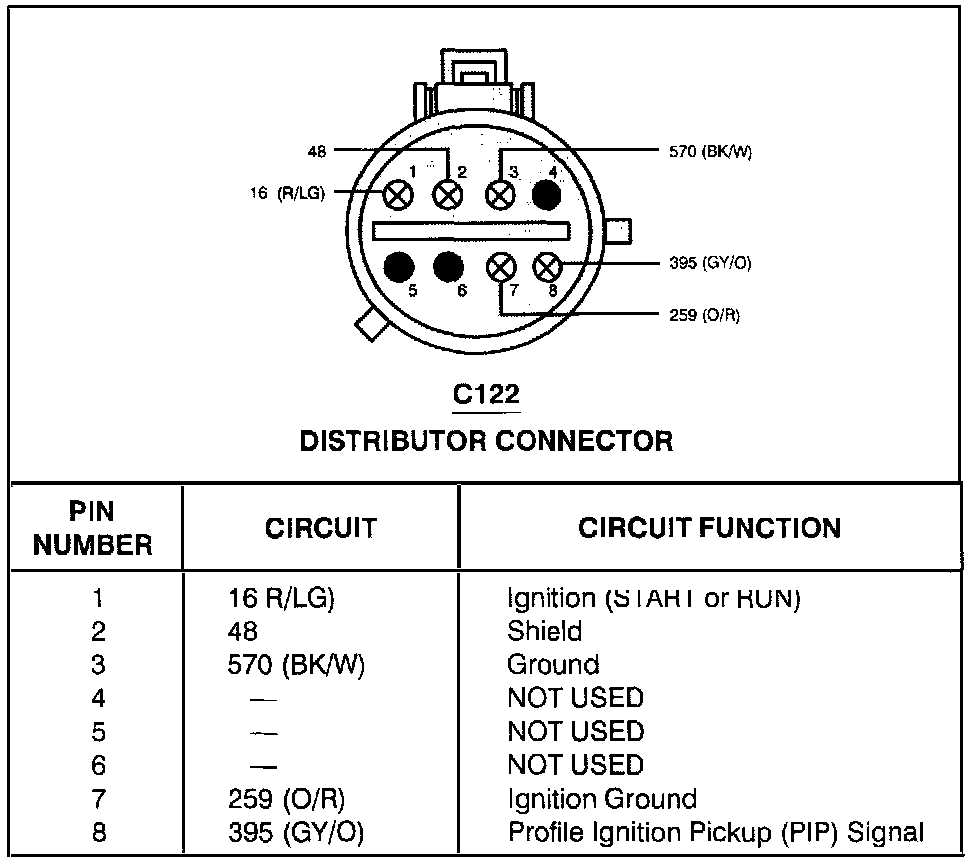
Connect the main terminals first to ensure proper spark distribution and avoid misfires. Verify each lead with a multimeter to confirm continuity before securing the connectors.
Label all contacts clearly according to their function: coil, points, ground, and auxiliary outputs. This prevents mistakes and simplifies future maintenance or replacements.
Inspect each contact for corrosion or wear and clean surfaces before installation. Applying a thin layer of dielectric grease improves conductivity and protects against moisture intrusion.
Test the firing sequence after assembly by rotating the engine manually and observing spark output at each cylinder. Adjust connections as needed to achieve correct timing and consistent ignition performance.
Engine Cap Connection Guide
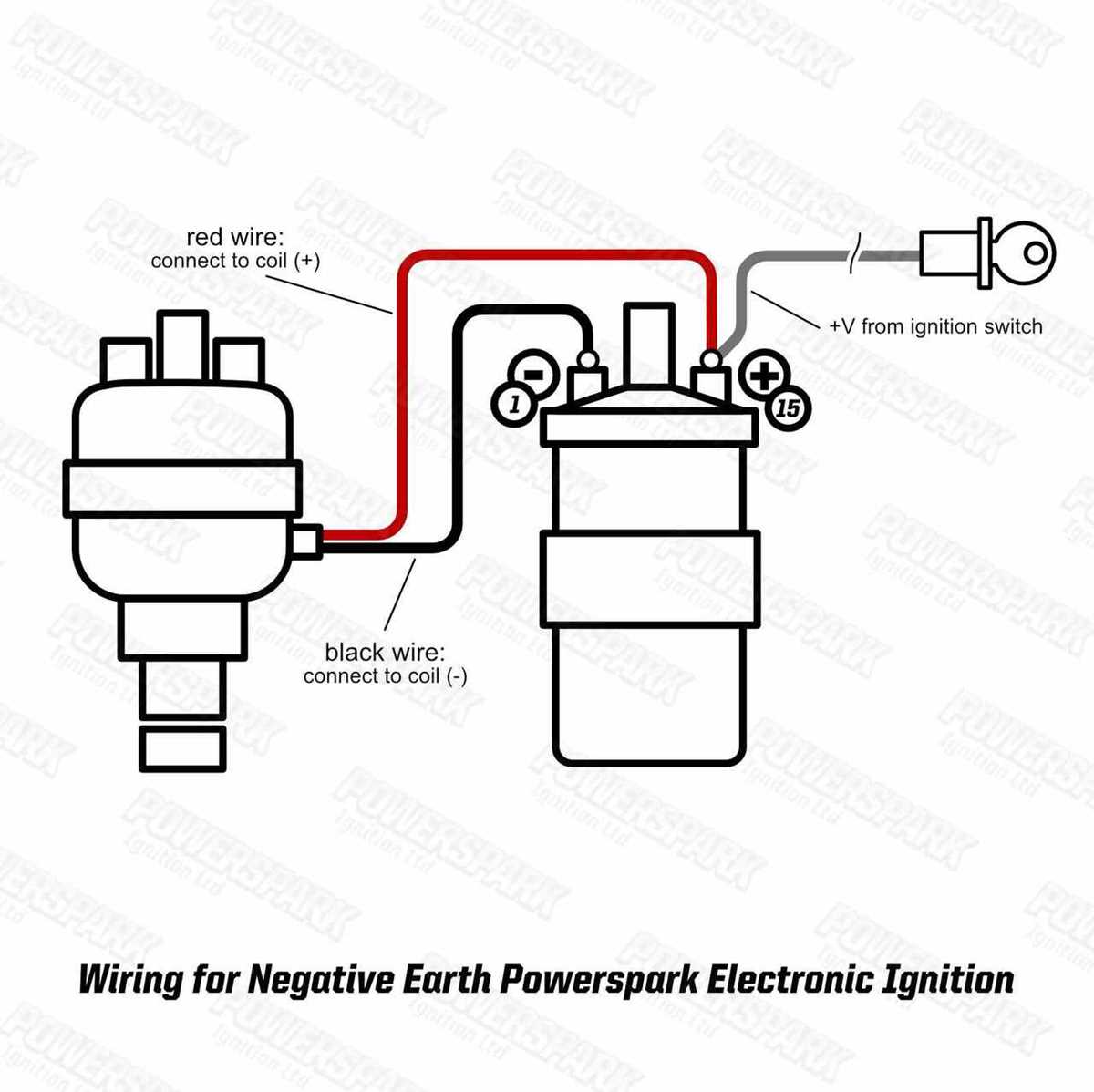
Begin by identifying each terminal using color codes or stamped labels. Typical points include coil positive, coil negative, ground, ignition pulse, and auxiliary output. Confirm continuity with a multimeter before making permanent connections.
Follow this sequence for reliable setup:
- Attach the ground lead to a clean, bare metal surface on the engine block.
- Connect the coil positive and negative leads to the ignition control module or points.
- Hook up auxiliary outputs, ensuring no cross-contact between terminals.
- Secure all leads with clamps or protective sleeves to prevent vibration damage.
Use a test light or spark tester to verify correct firing at each cylinder. Rotate the crankshaft manually and observe sparks to confirm timing. Adjust lead positions if any cylinder fails to fire correctly.
Document the connection layout in a simple chart including terminal positions, lead colors, and functions. This record simplifies future troubleshooting, replacements, or engine upgrades.
Identifying Each Terminal and Its Function
Start by locating the main terminals on the ignition cap. Common connections include coil positive, coil negative, ground, pulse input, and auxiliary output. Use color-coded leads or permanent labels to differentiate each point clearly.
Verify each terminal with a multimeter for continuity. This ensures that connections match the intended function and prevents misfires caused by reversed or loose contacts.
Ground connection must be secure to a bare metal surface on the engine block. Poor grounding can cause weak or inconsistent sparks and may prevent the ignition system from operating properly.
Coil positive and negative terminals should be connected to the ignition control module or points with tight, corrosion-free contacts. Use dielectric grease to protect against moisture and ensure long-lasting conductivity.
Pulse input terminals receive signals from the crank sensor or magnetic pickup. Confirm that these leads are routed away from high-voltage sources to avoid interference that could disrupt spark timing.
Auxiliary outputs often feed additional ignition components or tachometer circuits. Test these points individually using a test light or multimeter to confirm correct voltage output before final assembly.
Document the position and function of each terminal in a simple chart. Include color codes, lead destinations, and purpose to simplify future troubleshooting or engine modifications.
After all connections are made, rotate the engine manually and observe spark at each cylinder. Adjust connections if necessary to achieve consistent firing sequence and maintain proper timing across all points.