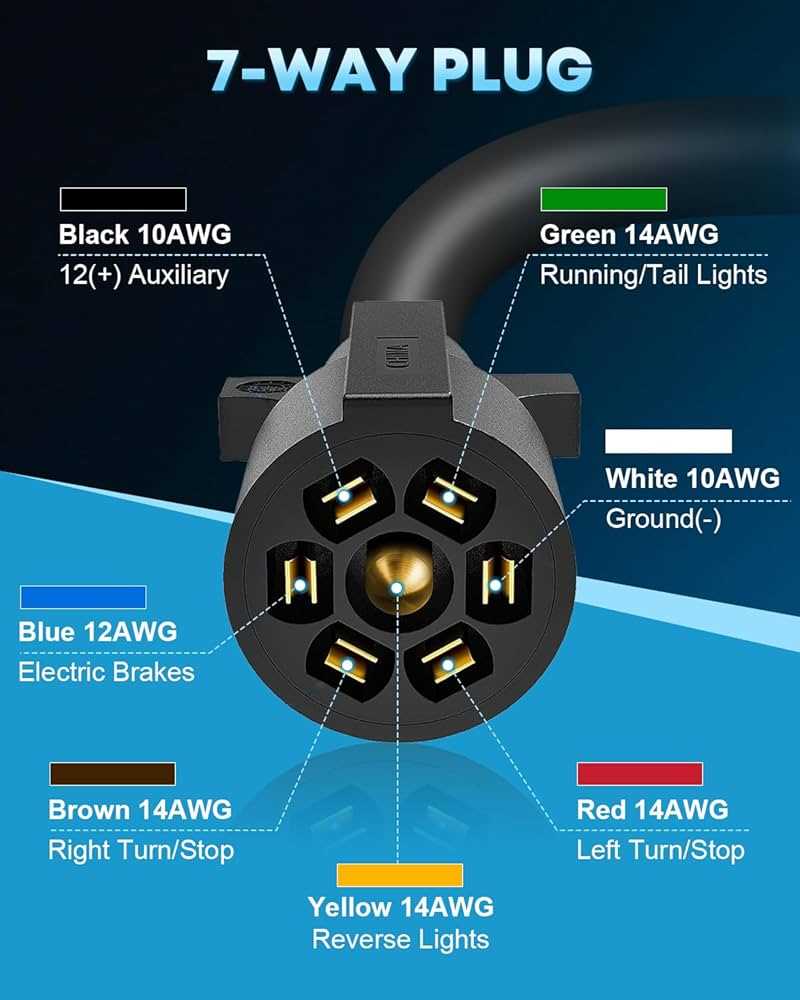
Match each terminal to its designated function before connecting the trailer to the towing vehicle. Use a color-coded or labeled harness to prevent reverse connections that could damage lights or auxiliary systems.
Secure each conductor with crimped or soldered ends to reduce resistance and avoid intermittent contact. Apply dielectric grease to exposed contacts to prevent corrosion in outdoor or wet environments.
Verify continuity using a multimeter:
- Check brake output leads for proper activation.
- Confirm indicator and taillight lines respond correctly.
- Test auxiliary circuits for additional power draw.
This ensures reliable operation under load and prevents unexpected failures during towing.
Use flexible heat-resistant sleeves for areas exposed to friction or engine heat. Proper routing avoids pinching or chafing, extending the lifespan of the harness while maintaining consistent electrical performance.
Trailer Connector Assembly Guide
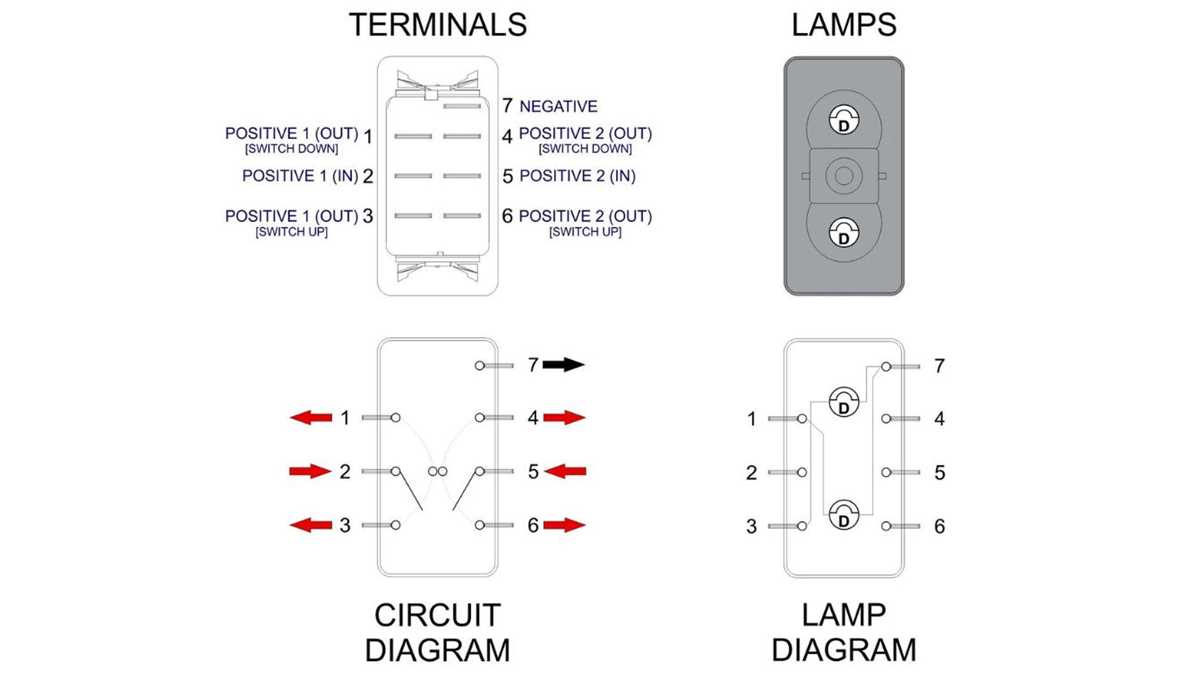
Identify each contact location using a reference chart before making connections. Assign brake, indicator, taillight, ground, and auxiliary lines accurately to avoid short circuits or malfunctioning systems.
Use high-quality terminals and secure fittings for each conductor. Crimp or solder connections to reduce electrical resistance, and cover exposed metal with heat-shrink tubing or insulating sleeves to prevent corrosion and accidental contact.
Test the assembly thoroughly:
- Activate braking and verify response on all trailers.
- Cycle turn signals and ensure synchronization with towing lights.
- Check auxiliary outputs under load to confirm stability.
Proper testing prevents intermittent faults and ensures consistent operation in varying conditions.
Identifying Each Contact Function and Connection
Label all terminals according to their assigned role before attaching any leads. Typical functions include left indicator, right indicator, brake output, ground, tail lights, reverse signal, and auxiliary power. Clear identification prevents cross-connections that could damage vehicle or trailer electronics.
Verify conductor assignments using a continuity tester or multimeter. Follow this sequence:
- Connect ground lines first to establish a reference point.
- Attach lighting and signaling leads, checking each response independently.
- Confirm auxiliary circuits carry proper voltage without load interference.
Testing in this order reduces the risk of short circuits and ensures each line performs reliably.
Maintain robust physical connections:
- Crimp or solder ends securely and insulate exposed metal with heat-shrink tubing.
- Use flexible sheathing to protect conductors from vibration and abrasion.
- Keep routing organized to avoid contact with moving parts or high-heat surfaces.
These practices extend the lifespan of the assembly and preserve consistent electrical performance under varying operating conditions.