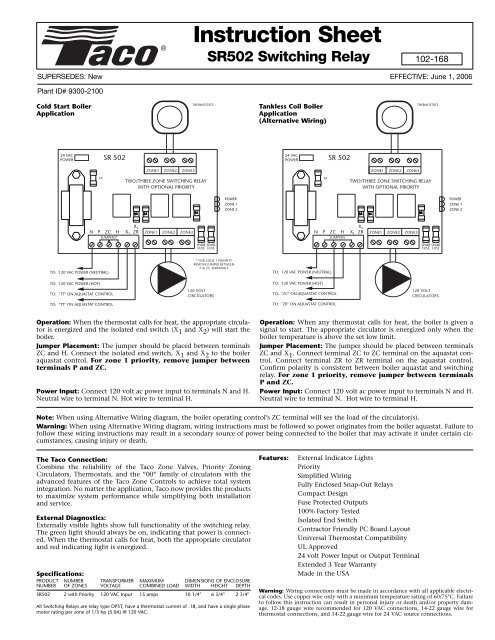
To correctly install a heating system circulator, start by ensuring the power is disconnected. The motor must be connected to both the ground wire and the live wires, paying attention to the specific terminals based on your model. The ground wire should be securely attached to the designated green screw or ground terminal.
Next, connect the neutral wire to the corresponding terminal on the motor, which is typically marked “N”. The live wire will go to the terminal marked “L”. Double-check the voltage rating of the pump to make sure it’s compatible with your power supply. Miswiring could lead to improper operation or even system failure.
If you are connecting a thermostat or external control system, make sure to match the appropriate wires from the control panel to the pump’s terminals. These connections are usually straightforward, but verifying each step before powering on is key to avoiding issues.
How to wire a heating system circulator step by step
First, ensure the power is turned off before beginning any installation. Begin by attaching the ground wire to the grounding terminal on the unit. This is crucial for safety, as improper grounding can lead to electrical shocks or malfunctions. Use a wire stripper to remove about ½ inch of insulation from the wire before securing it under the terminal screw.
Next, connect the neutral wire to the terminal marked “N”. This wire should be attached securely to avoid loose connections, which can cause overheating. Then, take the live wire and attach it to the “L” terminal. Double-check that each wire is properly clamped and there is no exposed wire that could create a short circuit. If your system requires a thermostat connection, follow the manufacturer’s instructions for proper integration.
Once the power connections are secure, test the system by turning the power back on. Set the control panel or thermostat to ensure the unit runs as expected. If the system doesn’t start or operates erratically, turn off the power again and recheck all connections. Be sure to verify voltage ratings, as mismatched voltage can cause damage to the components.
Common wiring issues and troubleshooting for pumps
One common issue is loose or improperly connected terminals. Ensure that all connections, especially the ground wire, are secure. A loose connection can lead to overheating or even cause the system to fail to start. Always double-check that the wire insulation is stripped properly and that the wires are firmly clamped under their respective screws.
Incorrect Voltage Supply
Another frequent problem is supplying the wrong voltage. Before connecting the wires, verify that the voltage rating of the unit matches your power source. Using a multimeter, check the voltage at the terminal points to confirm they are within the required range. Incorrect voltage can damage the components or prevent the system from operating correctly.
Short Circuits and Faulty Connections
- Check for any exposed or frayed wires that might be causing a short circuit.
- Inspect the live and neutral connections for tightness. A loose connection can lead to poor performance or total system failure.
- If the unit isn’t operating, reset the breaker and check the circuit for faults. Sometimes a tripped breaker indicates an underlying issue with the connections.
If troubleshooting these issues doesn’t resolve the problem, consult the manufacturer’s guidelines for further diagnostics. In some cases, faulty internal components may need to be replaced.
Understanding electrical connections in heating system units
The most important electrical connections in heating devices include the ground, live, and neutral wires. The ground wire should always be connected to the unit’s designated ground terminal. This ensures safety by preventing electrical shock. The live wire, often marked with “L”, should be connected to the appropriate terminal to provide power to the motor. Finally, the neutral wire, marked with “N”, completes the circuit by returning current to the power source. Each wire must be securely attached to avoid loose connections, which can lead to poor performance or malfunctions.
Connecting Control Systems
If your system includes a thermostat or external control panel, you must connect these components correctly to regulate power flow. Ensure that the control wires are properly linked to the terminals designated for them. For example, in systems where the thermostat controls the motor’s operation, the control wire will need to be connected to a designated terminal on the unit. This allows the thermostat to either supply power or disconnect it based on temperature settings. Verify all connections with a multimeter before powering on the system to ensure there are no electrical issues.