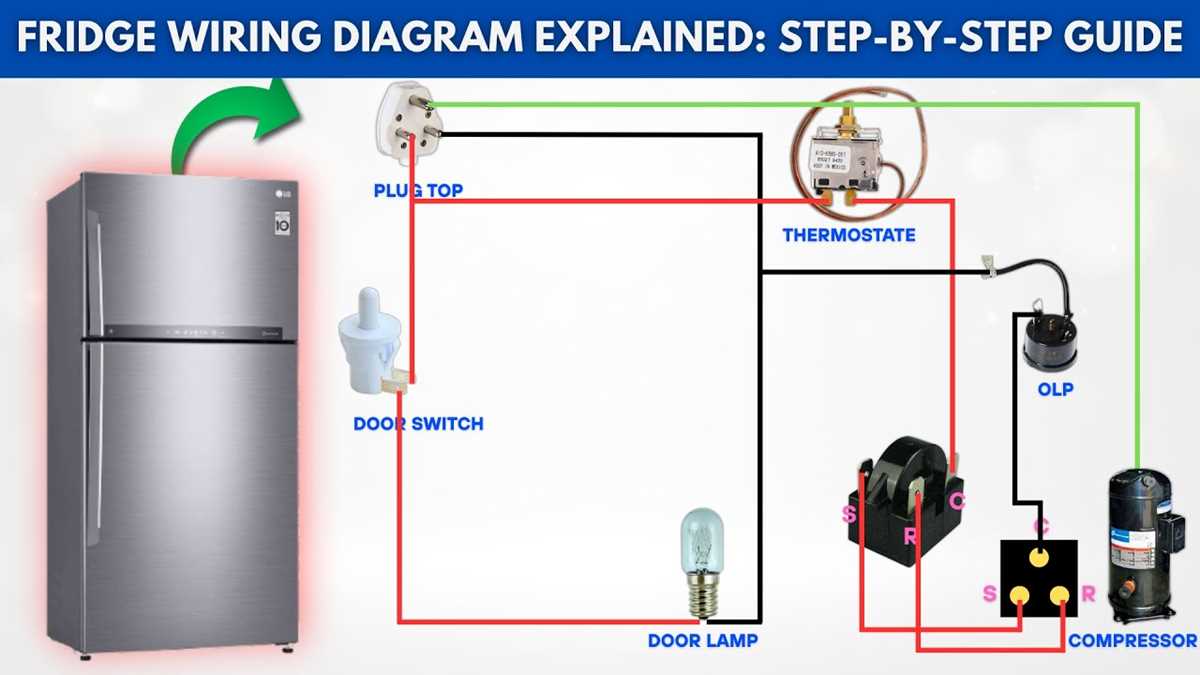
Connect the main power line to the start terminal and ensure the neutral lead is properly secured to prevent short circuits or overloads during operation.
Identify the run and common terminals before energizing the unit. Correct identification ensures the motor receives proper voltage and prevents misfiring or heating issues.
Use standard color coding for leads: typically black for power, white for neutral, and red for the start capacitor connection. Maintaining this sequence minimizes confusion and reduces the risk of errors.
Check continuity with a multimeter on each lead to verify correct connections. Partial contact may allow limited operation but can cause motor failure or overload conditions.
Ensure the start capacitor and overload protector are correctly connected. Incorrect placement can prevent the motor from starting or cause overheating.
Keep connections tight and secure to prevent loose contacts that could lead to arcing, voltage drops, or erratic operation over time.
Label all terminals clearly for easier maintenance and future troubleshooting. This prevents misalignment of leads during replacements or repairs.
Test the unit under load conditions to confirm stable voltage delivery and correct rotation. Monitor current draw to ensure the motor operates within rated specifications.
Refrigerator Compressor Connection Guide
Connect the main power line to the start terminal and secure the neutral lead to prevent short circuits or overloads during operation. Ensure all connections are tight and free from corrosion.
Identify the common, start, and run terminals before energizing. Correct identification ensures the motor receives proper voltage and prevents overheating or misfiring.
Attach the start capacitor between the start and run terminals as specified by the motor rating. Improper placement can prevent the motor from starting or cause excessive current draw.
Verify the overload protector is correctly integrated into the line. This protects the unit against overcurrent conditions and prevents potential damage to the motor windings.
Voltage Paths and Lead Verification
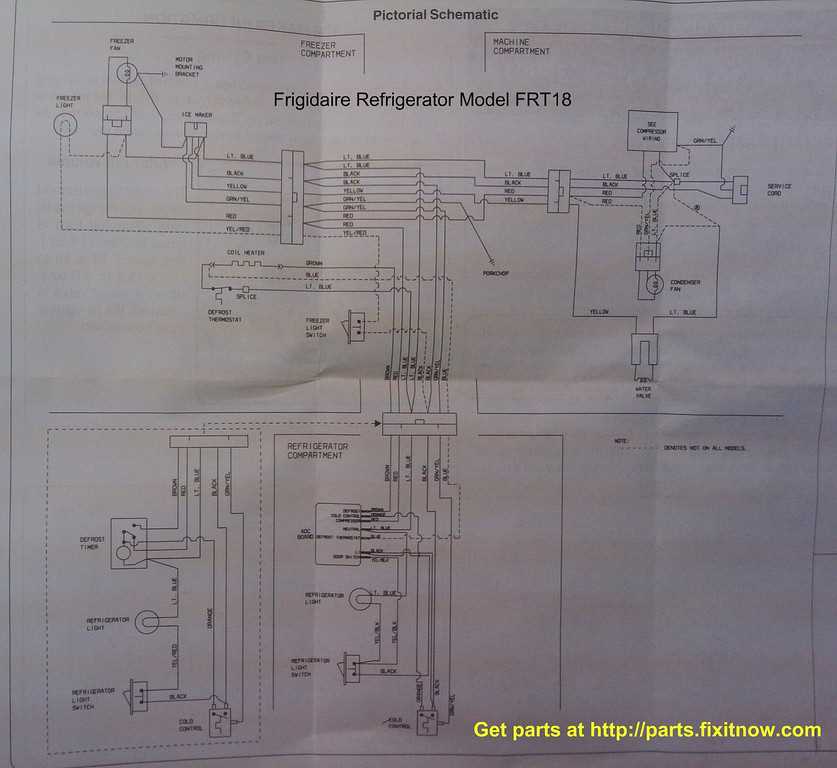
Trace voltage flow with a multimeter to confirm that the power supply reaches the start terminal and that the neutral returns properly. Partial contact may allow limited operation but can cause overheating or failure.
Use standard color coding for leads–black for power, white for neutral, and red for the start capacitor connection. Consistency reduces confusion and prevents misalignment during maintenance.
Testing and Operational Checks
Test the unit under load conditions to confirm stable voltage delivery and correct rotation. Monitor current draw to ensure the motor operates within its rated specifications and that the start capacitor functions correctly.
Label all terminals clearly to simplify future troubleshooting or replacements. Proper labeling prevents accidental cross-connections and ensures consistent operation during service.
Identifying Terminals and Voltage Lines
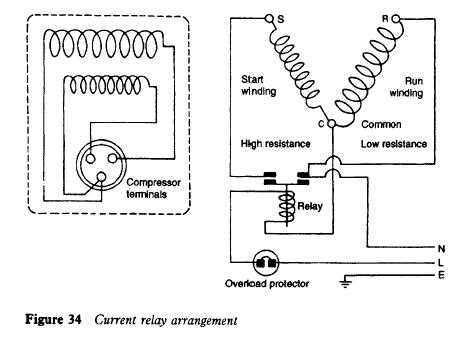
Connect the power lead to the start terminal and the neutral lead to the common terminal to establish correct current flow. Incorrect connections can lead to motor failure or overheating.
Use a multimeter to verify voltage paths before applying full power. Check that the positive feed reaches the start terminal and that the neutral returns properly through the common line.
Terminal Functions and Lead Assignments
- Start terminal: connects to the start capacitor and receives initial voltage to initiate rotation.
- Run terminal: maintains voltage during continuous operation.
- Common terminal: completes the circuit back to the neutral line.
Inspect all leads for corrosion or loose connections. Even minor resistance can prevent proper voltage delivery and cause overheating or erratic operation.
Verification and Testing Tips
- Label each terminal and lead to simplify future maintenance and prevent misalignment.
- Test continuity on each path using a multimeter to confirm that current flows as expected.
- Check voltage under load to ensure stable operation and correct rotation direction.
Secure all connections firmly to prevent arcing or voltage drops that could damage the motor or auxiliary components over time.