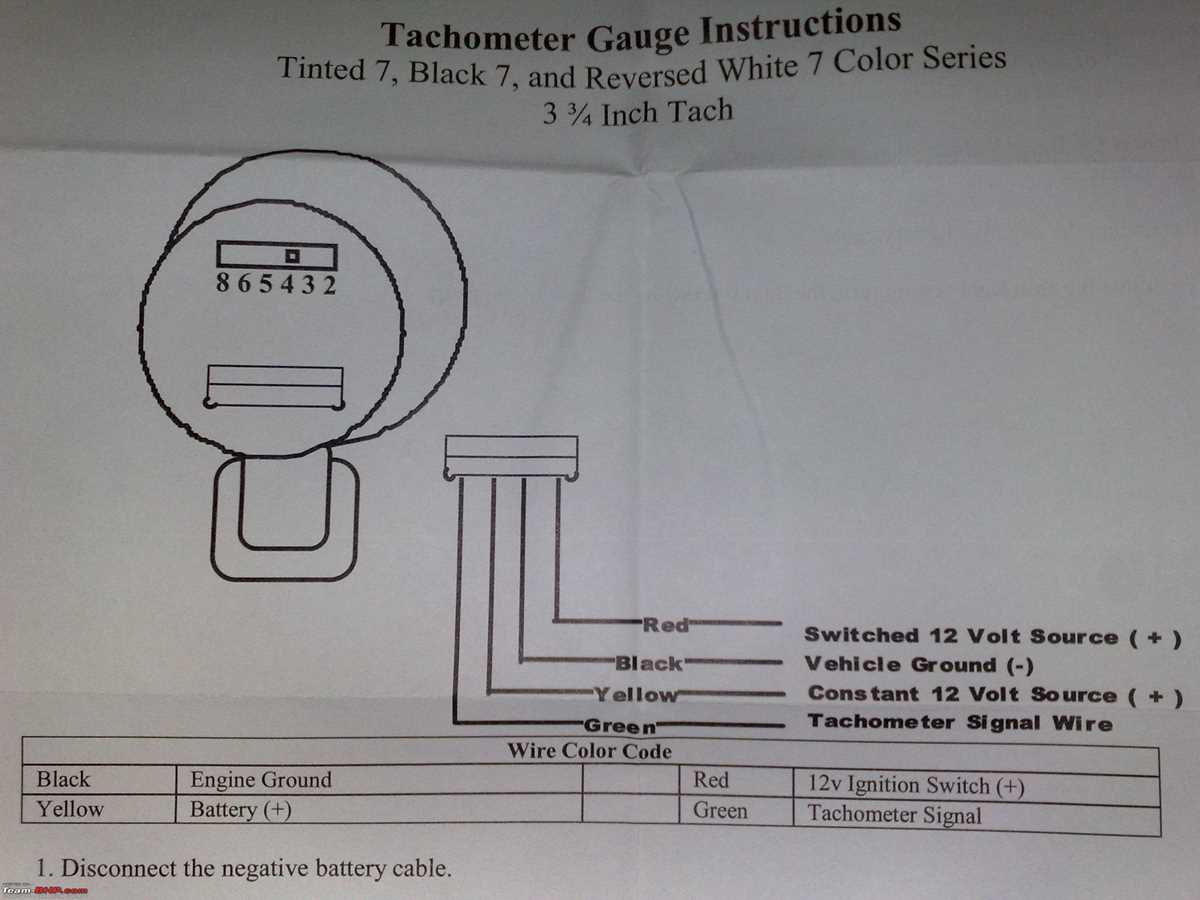
Connect the power lead directly to a switched 12V source to prevent voltage drops and ensure stable readings. Use a 10A fuse inline to protect the instrument from electrical surges.
Identify each signal wire before installation by matching color codes with the sensor functions. Temperature sensors typically use green or white wires, while pressure sensors use blue or yellow leads for clarity.
Secure ground connections to the chassis using a clean, bare metal surface to avoid erratic gauge behavior. Check continuity with a multimeter before finalizing the attachment.
Route sensor cables separately from ignition and high-current lines to minimize interference and inaccurate readings. Use protective sheathing to prevent abrasion and heat damage from the engine bay environment.
Test each connection individually with the engine off to confirm correct gauge response. Adjust any misconnected leads immediately to prevent sensor misreading and potential equipment damage.
Step by Step Guide for Accurate Gauge Connections
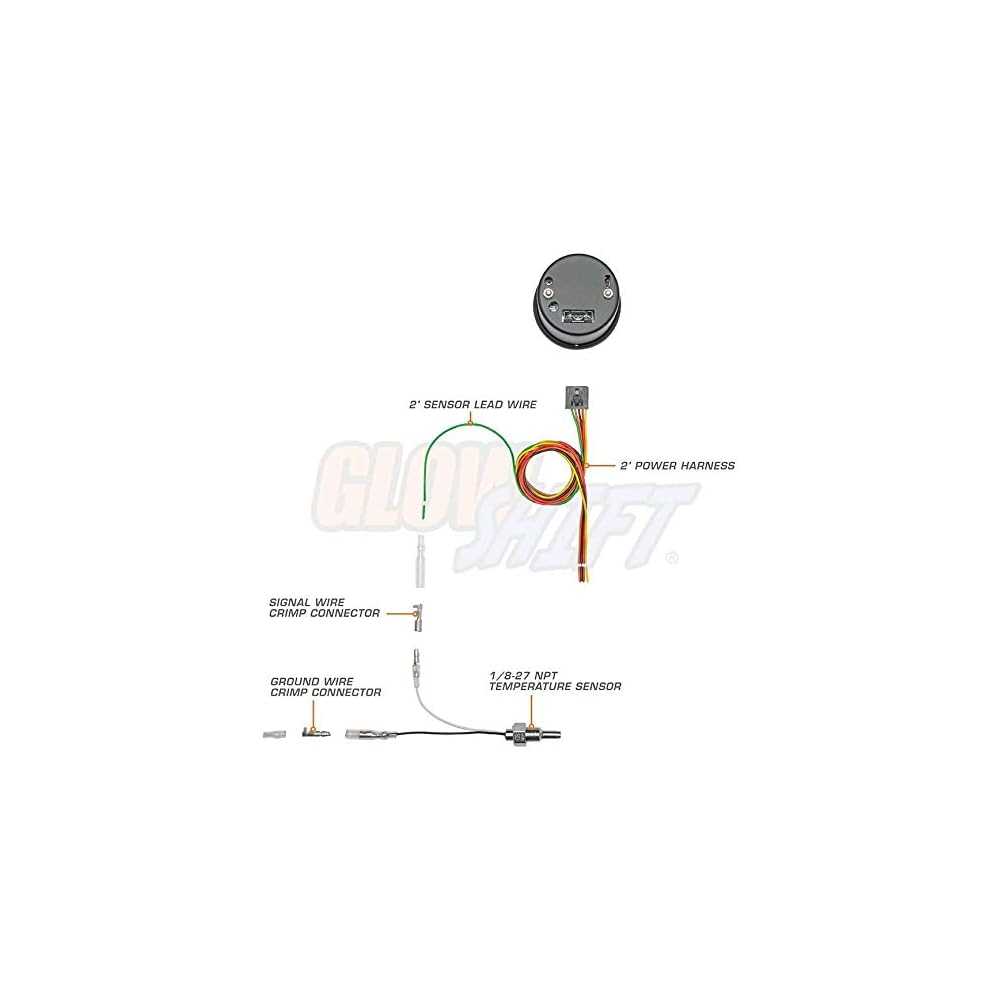
Connect the main power lead to a switched 12V source with a 10A inline fuse to maintain stable readings and prevent damage from surges. Avoid tapping into constant battery lines.
Identify each signal conductor by matching the color coding to the corresponding sensor type. Temperature sensors usually use green or white, while pressure inputs commonly use blue or yellow for easier recognition.
Establish a solid ground by fastening the wire to a clean, unpainted metal surface. Test continuity with a multimeter before tightening to prevent intermittent gauge faults.
Separate sensor leads from high-current circuits to reduce electromagnetic interference. Run them along the firewall or under trim panels to maintain a clean path.
Use heat-resistant sleeving for any cables routed near exhaust components or engine hot spots. This prevents insulation melting and signal disruption.
Secure all connectors with proper terminals and, where possible, dielectric grease to protect against corrosion and improve long-term reliability in harsh conditions.
Check each sensor individually with the ignition on but the engine off. Confirm that gauges respond correctly before full operation to identify misrouted leads early.
Label all connections with tags or colored tape for future reference. Clear labeling simplifies troubleshooting and ensures accurate reconnection during maintenance or upgrades.
Identifying Gauge Leads and Their Functions
Start by matching each lead to its corresponding sensor. Temperature inputs typically have green or white insulation, while pressure lines often use blue or yellow to distinguish signal types clearly.
Trace power and ground conductors separately to confirm stable connections. The power line usually carries 12V switched current, and the ground must connect to a clean metal surface for reliable operation.
Use a multimeter to verify each signal. Measure voltage or resistance across the sensor terminals and compare with manufacturer specifications to ensure correct identification.
- Green wire – coolant temperature sensor input
- Blue wire – oil pressure sensor input
- White wire – air/fuel ratio or vacuum sensor input
- Red wire – switched 12V power supply
- Black wire – chassis ground
Label all leads after testing with numbered tags or color-coded tape. Proper labeling prevents mistakes during installation or future maintenance.
Inspect connectors for corrosion or loose pins before securing. Damaged contacts can cause erratic readings or signal loss, so clean or replace as needed for consistent gauge performance.