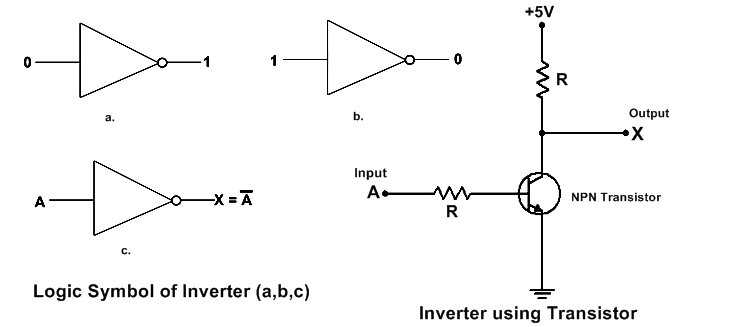
Connect the input directly to a high-quality transistor or logic inverter to achieve a clean inversion of the incoming signal. Ensure that the supply voltage matches the component ratings to prevent thermal stress or signal distortion.
Use precision resistors and decoupling capacitors near the power rails to stabilize the voltage and reduce switching noise. For TTL-level applications, a 4.7kΩ resistor at the input can provide reliable pull-up functionality.
Verify the output with a digital multimeter or oscilloscope to confirm that a high input results in a low output and vice versa. Small voltage drops or delays should be checked and corrected with bypass capacitors if needed.
Mount components on a breadboard or PCB with minimal trace lengths to reduce parasitic capacitance. Short connections between the inverter element and input/output terminals help maintain sharp logic transitions and prevent false triggering.
Double-check polarity and orientation of the inverting element before applying power. Incorrect placement can lead to short circuits or permanent component damage, especially in sensitive integrated logic packages.
Practical Guide to Building a NOT Gate Layout for Logic Applications
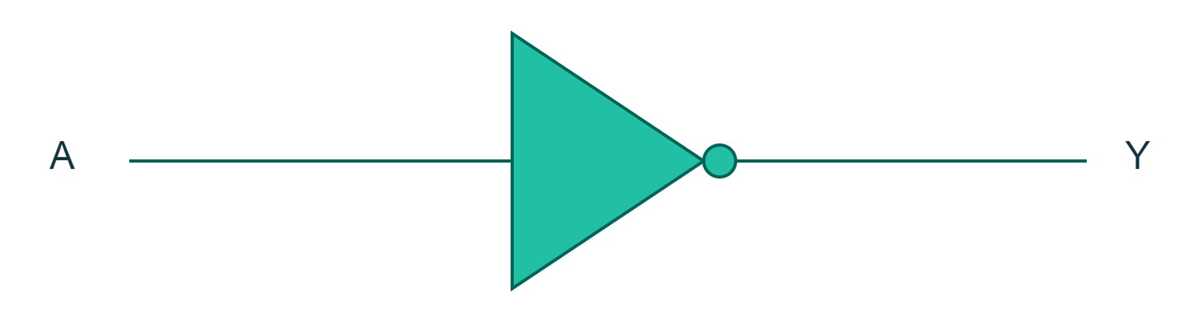
Begin by selecting a reliable logic inverter component rated for the voltage of your system. For standard TTL operations, choose an IC with a 5V supply rating and ensure the pins are correctly identified before connection.
Place the inverter on a breadboard or prototype board with adequate spacing to avoid accidental shorts. Ensure the power and ground rails are clearly marked and connected to prevent reversed polarity.
Attach the input signal through a pull-up resistor to maintain a defined high level when the input is disconnected. Typical values range from 1kΩ to 10kΩ depending on the load requirements and logic level thresholds.
Connect the output terminal to the next stage of your logic chain while keeping the traces short and direct. This reduces delay and prevents unintended oscillations caused by parasitic capacitance or inductance.
Integrate decoupling capacitors close to the inverter pins to suppress transient voltage spikes. A 0.1µF ceramic capacitor between supply and ground near each element is commonly used for stable operation.
Test the layout with a digital probe or multimeter to confirm that high inputs yield low outputs and low inputs yield high outputs. Adjust the input resistor or capacitor values if the switching response is slow or inconsistent.
Ensure proper heat dissipation if using multiple inverters in parallel. Even though single elements draw minimal current, extended operation can generate small amounts of heat that affect voltage stability.
Document your connections clearly with color-coded wires or labels. This helps prevent errors when expanding the logic network and provides a reference for future troubleshooting or modifications.
Identifying Input and Output Points for Accurate Signal Flow
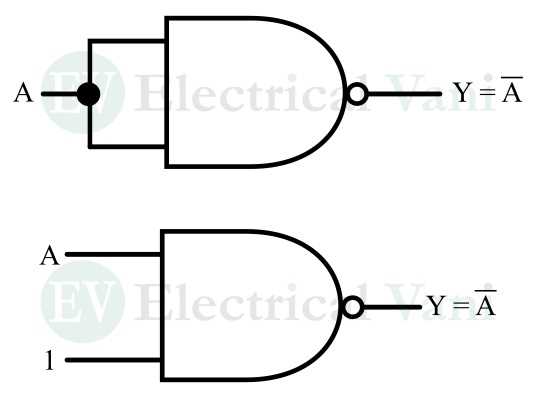
Start by clearly marking the input terminal where the control signal enters the logic element. Use a stable voltage source and verify the voltage levels match the component specifications to prevent incorrect switching.
Trace the internal connection paths carefully from input to output. Ensure that resistors or protective components are correctly positioned to avoid unintended signal attenuation or distortion.
Verify the output pin location using a multimeter or logic probe. A high input voltage at the input should result in a low output voltage and vice versa, confirming correct orientation of the element.
Label all connections physically on the prototype board with color-coded wires. Maintain a consistent pattern: red for power, black for ground, and another color for signal lines. This reduces the chance of misrouting during testing.
Test signal propagation through each stage by applying known high and low signals at the input. Observe the response at the output and adjust any series resistors or bypass capacitors to achieve clean transitions without oscillation.
Document the validated layout with clear notes on input and output points, voltage levels, and any additional components. This record ensures repeatable results and simplifies modifications for expanded logic operations.