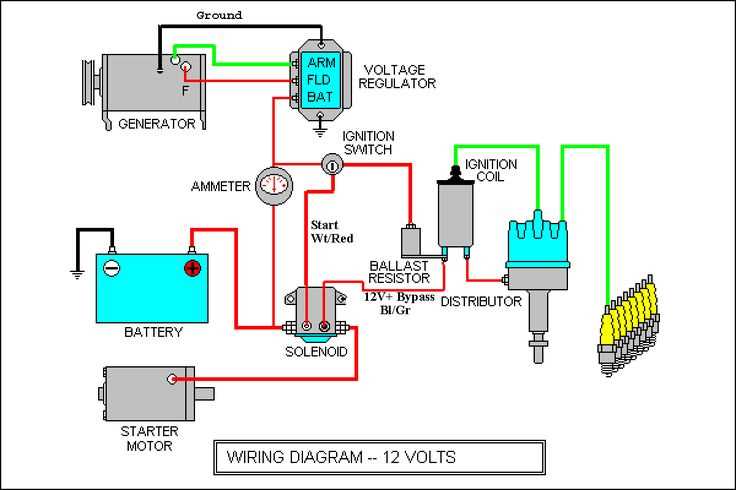
Verify the identification of all terminals before making any connections. Positive, negative, and switched leads must match the markings on fuse holders and relay sockets to prevent short circuits or blown fuses.
Use insulated connectors sized for the current rating of each circuit. Crimp or solder connections to maintain a stable path for current flow. Loose strands or poorly seated terminals often cause intermittent faults and overheating.
Trace each circuit from the power source to the load. Label wires with color codes or numeric tags to simplify future troubleshooting. Document connections to ensure accurate reconnection during maintenance or upgrades.
Measure resistance and continuity across all conductors before energizing the system. Identify any breaks or shorts in lighting circuits, relays, or accessory connections to prevent component damage and ensure safe operation.
Install protective devices rated slightly above the expected load. Fuse sizes and circuit breakers must align with wire gauge to avoid overheating while allowing the system to operate under normal conditions.
Understanding Vehicle Electrical Layouts
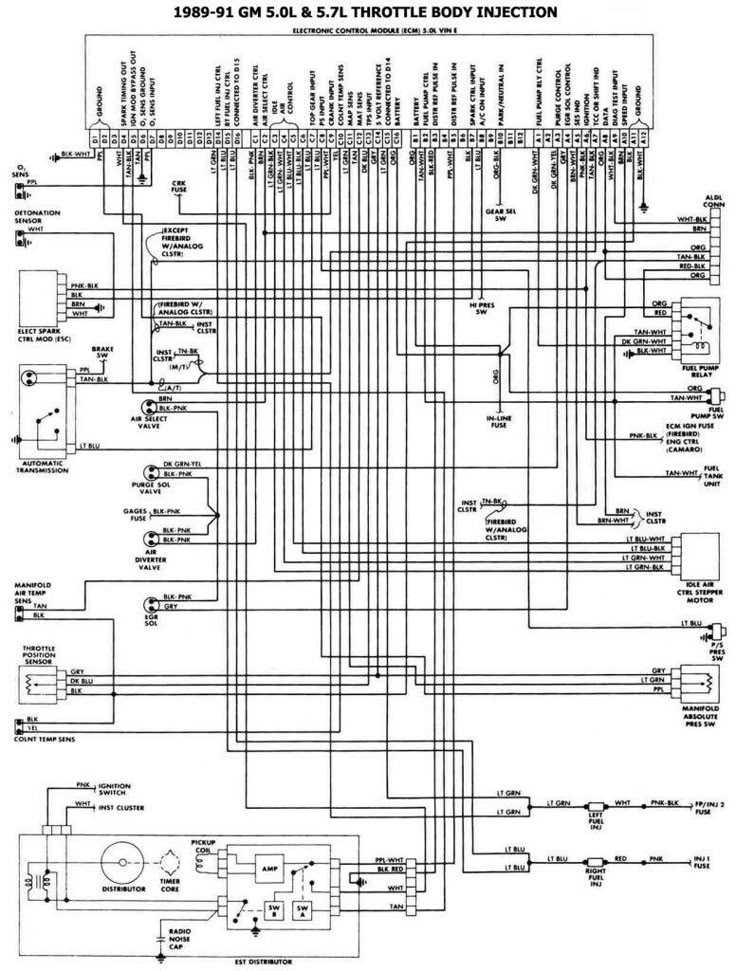
Identify all connection points on the battery, fuse panel, and relays before attaching any conductors. Label terminals according to markings such as POS, NEG, ACC to prevent incorrect connections that could blow fuses or damage components.
Use conductors rated above the expected current load. Crimped terminals or soldered joints ensure a secure path for electricity, minimizing voltage drops and eliminating intermittent faults caused by loose strands or poor contacts.
Trace circuits methodically:
- Follow each lead from the battery to switches, relays, and lighting units.
- Confirm continuity across connectors and fuses using a multimeter.
- Mark each conductor with numeric or color codes for easier identification during repairs.
Test each circuit individually before energizing the system. Check for shorts and open circuits in headlight, indicator, and accessory loops to prevent blown fuses and ensure stable operation under load.
Install protection devices such as circuit breakers or blade fuses rated slightly above each circuit’s expected load. Document all connections and maintain a reference sheet to simplify troubleshooting and future modifications.
Identifying Terminals and Connection Points
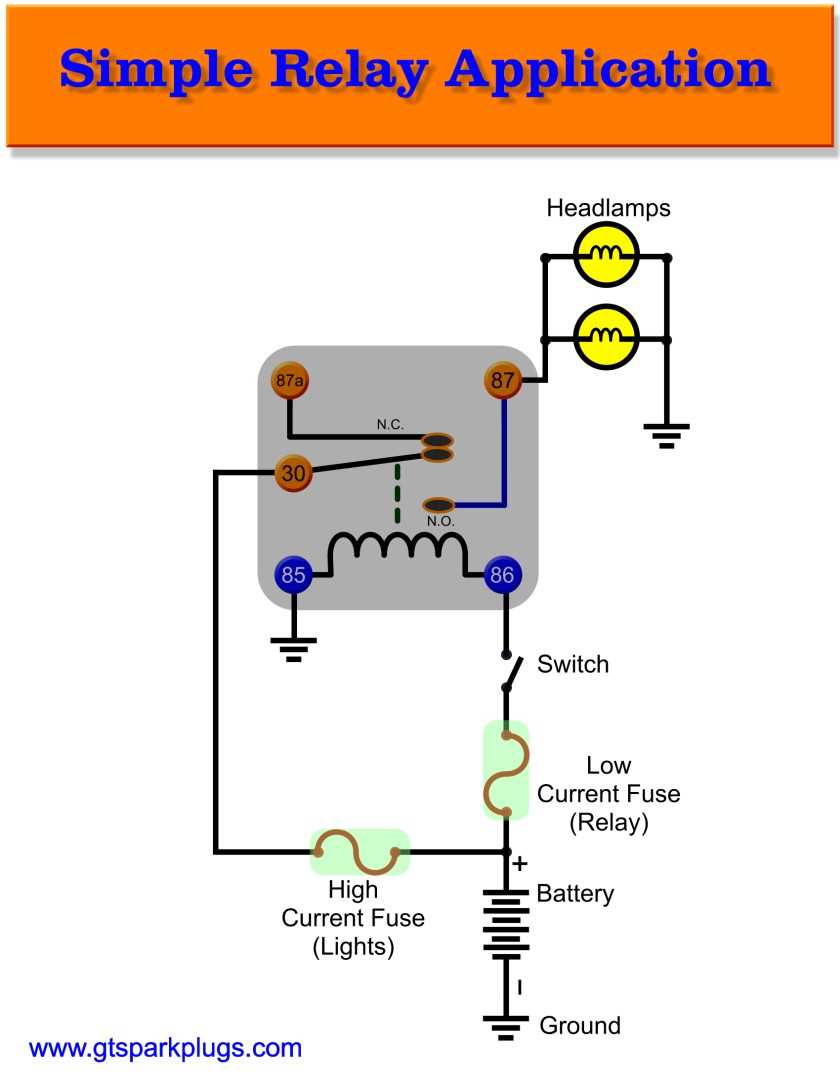
Examine the fuse panel and relay sockets for engraved or printed markings. Labels such as POS, NEG, and ACC indicate power, ground, and accessory lines. Confirm each terminal using a multimeter to avoid reverse connections or blown fuses.
Trace conductors visually and with a continuity tester. Check resistance between terminal pairs to identify linked points and isolate breaks. Document each connection to maintain accuracy during reassembly or component replacement.
Use color-coded sleeves or numeric tags on all leads. Secure connections with properly sized crimp terminals or solder joints. This prevents intermittent faults, simplifies troubleshooting, and ensures reliable operation of lights, relays, and accessory circuits.