Start by identifying each lead using standard color codes. Green typically controls the right turn and brake light, yellow the left turn and brake, brown the running lights, and white the ground connection.
Ensure all terminals are clean and corrosion-free before making connections. Use a wire brush or sandpaper to remove oxidation from metal surfaces for a secure electrical contact.
Secure each connector firmly to prevent vibration from loosening the terminals. Tighten screws until snug without over-torquing, which can damage the pins or sockets.
Test the circuit after assembly by activating the turn signals, brake lights, and running lights. Confirm that each function operates correctly and that the ground connection maintains a consistent path for current flow.
4 Way Connection Guide for Lights and Brakes
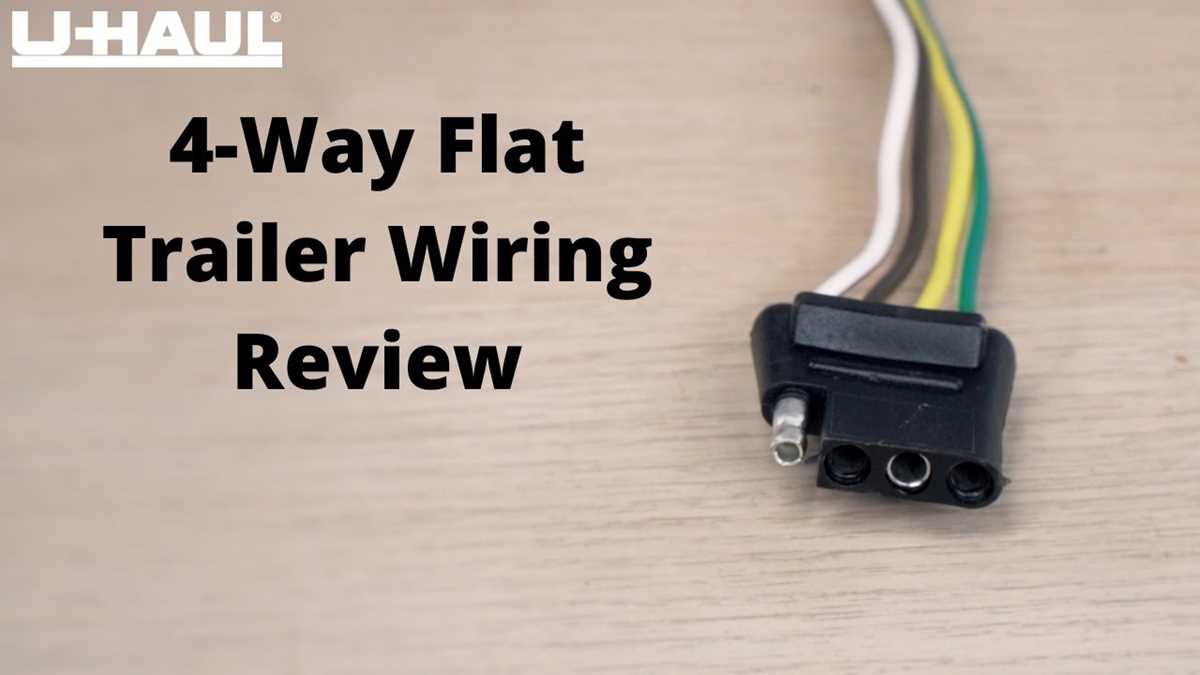
Begin by matching each lead to its designated function. Green controls the right turn and brake lights, yellow operates the left turn and brake lights, brown powers the running lights, and white serves as the grounding path.
Inspect all terminals for corrosion or loose contacts. Clean with a wire brush or sandpaper to ensure a reliable connection and prevent intermittent failures during operation.
Attach each connector securely to avoid vibration-induced disconnections. Tighten screws until snug, taking care not to strip or deform the metal pins.
Use a multimeter to confirm continuity between each control line and its corresponding light or brake circuit. This verifies that the correct paths are connected before applying power.
Check the ground path thoroughly. Ensure the white lead is fastened to a clean metal surface on the frame or chassis to provide a stable return path for current.
Test all functions once connections are complete. Activate turn signals, brake lights, and running lights while observing each operation. Correct any malfunctioning path immediately to maintain safety.
Perform periodic maintenance by inspecting connectors for wear, loose screws, or oxidation. Keeping terminals clean and tight prolongs the life of the circuit and prevents unexpected failures on the road.
Identifying Each Lead and Its Function on the Trailer
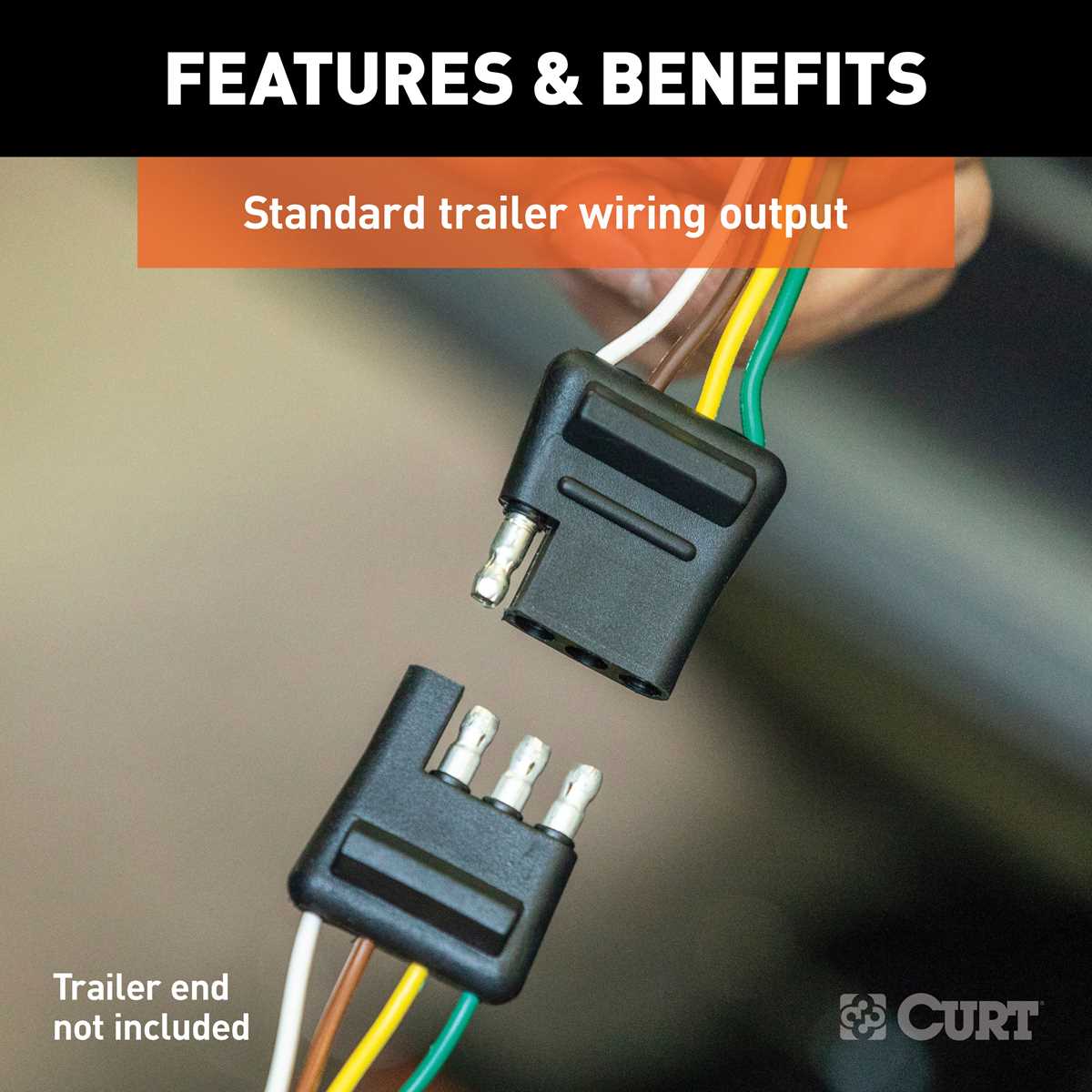
Start by sorting the leads according to color coding. Green typically handles the right turn and brake lights, yellow the left turn and brake, brown the running lights, and white the ground connection to the frame.
Check each terminal for corrosion or loose connections. Use a wire brush or sandpaper to clean contact points and ensure a secure connection that will carry current without interruption.
- Green lead: Connects to the right side indicators and brake lamp circuit.
- Yellow lead: Controls the left side indicators and brake lamp circuit.
- Brown lead: Powers the tail, license plate, and running lamps.
- White lead: Provides grounding to the chassis or metal frame.
Verify continuity with a multimeter before plugging into the vehicle. Confirm that each lead activates the intended lights and that no short circuits exist between positive and ground paths.