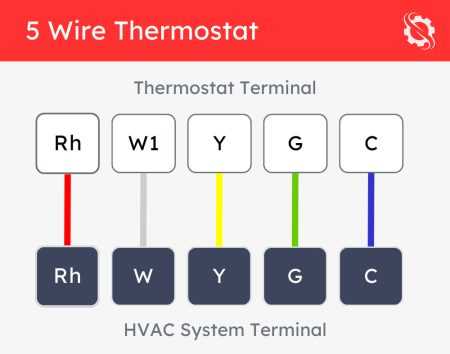
Identify each terminal before attaching wires to ensure proper voltage and signal paths. Label power, heating, and cooling leads clearly to avoid mistakes during installation.
Verify the incoming power supply matches the module requirements. Use a multimeter to check line voltage and confirm neutral and ground connections are secure before making any contacts.
Connect control wires to the corresponding relays following the polarity markings. Reversing connections can prevent the unit from regulating temperature correctly and may cause damage.
Test all functions individually after each connection. Activate heating and cooling modes separately to ensure the module responds correctly to input signals and safely controls the system.
Honeywell Control Module Connection Guide
Match each lead to its corresponding terminal using the printed markings on the unit. Ensure power lines, heating, and cooling controls are separated and secured with insulated connectors to prevent short circuits and maintain signal integrity.
After connections are complete, test each function individually. Activate heating, cooling, and fan controls separately while monitoring voltage and current. Confirm that each relay responds correctly and that no wires overheat or show signs of poor contact before full system operation.
Identifying Terminals and Power Connections
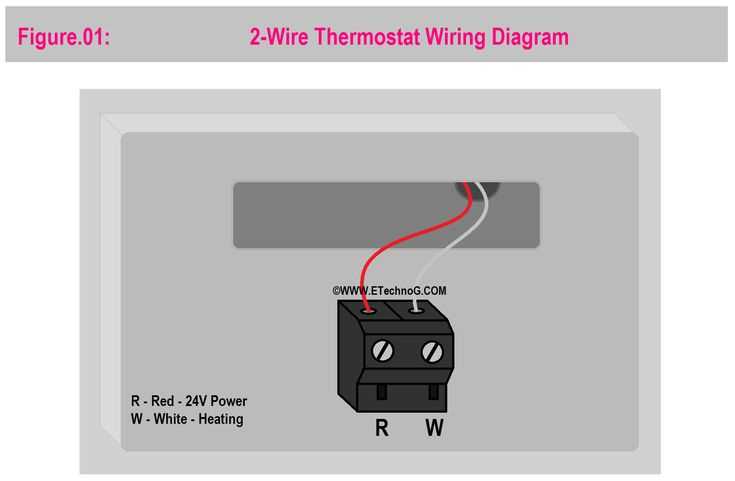
Locate the main power terminals marked with R or Rh for heating and Rc for cooling. Confirm line voltage with a multimeter before connecting any leads to prevent damage to control modules or relays.
Separate low-voltage control wires from high-voltage supply lines to reduce interference and prevent short circuits. Keep at least 2 inches of spacing and use insulated connectors for each connection point.
Identify common and neutral connections labeled C or N on the unit. These terminals complete the power loop for the control module and provide stable reference for signal transmission.
- Check manufacturer markings on each lead
- Verify polarity using a tester
- Label terminals clearly with tape or tags
Mark and route each signal wire individually. Heating outputs, cooling outputs, and fan controls should not cross over. Using separate channels reduces the risk of signal interference and ensures proper relay activation.
Perform a preliminary test by applying low-voltage power to confirm each terminal responds correctly. Observe for correct relay clicks, stable voltage readings, and absence of overheating before full connection to the AC supply.