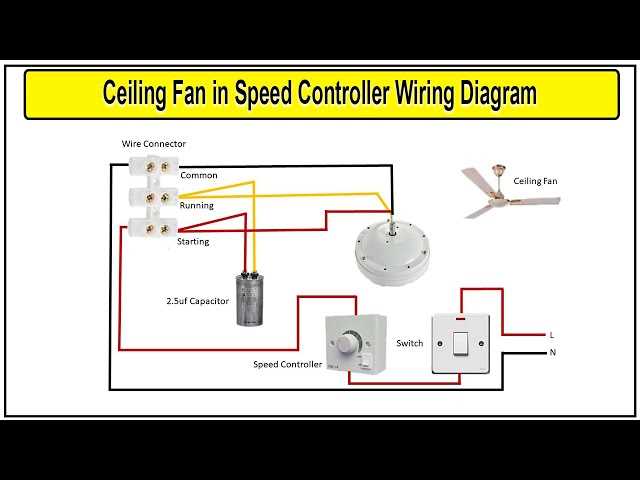
Connect the main power lines directly to the motor terminals using 14 to 16 AWG stranded copper wires rated for 120 or 240 volts depending on your local supply. Ensure each conductor is securely tightened under the screw terminals to prevent arcing.
Install the control receiver unit between the supply lines and the motor connections. Match each color-coded wire from the receiver to the corresponding motor and light leads, keeping connections separated to avoid short circuits.
Mount the fixture securely to the ceiling bracket, confirming that all screws are tightened and the unit is level. Use insulated wire nuts or crimp connectors for all joins to maintain safe and stable connections.
Label each conductor before insertion to identify power, motor, and lighting leads clearly. This prevents errors during installation and simplifies future maintenance or troubleshooting.
Test the system before attaching covers by powering on and cycling the speed and light functions through the handheld control. Verify that the motor responds correctly at all speed settings and the lamp operates without flickering.
Route all wires neatly through the canopy and down the mounting bracket, avoiding sharp bends or tight loops. Use cable ties or clips to secure loose conductors and maintain a clean installation.
Perform a final inspection ensuring that no exposed strands are visible and the receiver housing is not obstructed. Properly insulated and secured connections prevent shorts and extend the operational life of the unit.
Ceiling Motor Connection Using Handheld Control
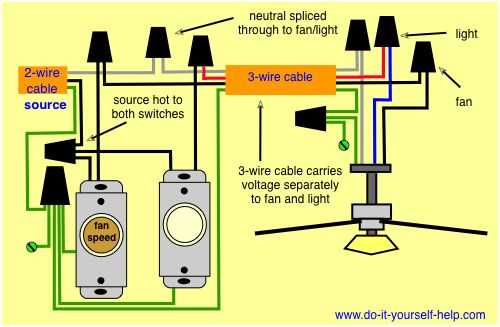
Connect the power supply directly to the motor terminals using 14–16 AWG stranded copper wires rated for the household voltage. Ensure each terminal screw is fully tightened and insulated to prevent arcing or loose contact.
Install the control module inline between the supply and motor leads. Match color-coded wires precisely: black or brown for live, blue for neutral, and red or yellow for lighting control. Use insulated connectors or crimp ferrules for all joins to maintain secure connections.
- Secure the mounting bracket to the ceiling joist with bolts and check level alignment.
- Route all wires through the canopy and attach with cable clips to prevent sagging or rubbing against sharp edges.
- Test the system before closing the canopy: cycle motor speeds and light functions to confirm correct operation and voltage stability.
Identifying Power Lines and Motor Connections
Start by identifying the live and neutral supply lines coming from the household junction box. Use a voltage tester to confirm which conductor carries current and which serves as neutral to prevent incorrect connections.
Separate each conductor clearly and strip approximately 6 mm of insulation from the ends. Avoid nicking the copper strands to maintain maximum conductivity and prevent shorts.
Locate the motor leads coming from the fixture. Typically, black or brown wires carry the main phase, blue indicates neutral, and additional colored leads such as red or yellow control lighting or speed functions.
Label each conductor with adhesive tags or color-coded heat shrink to match the supply lines. This ensures proper matching when connecting to the control module and reduces the risk of errors during installation.
Check the motor terminals for corrosion or bent pins. Clean any oxidation with fine sandpaper or contact cleaner to ensure consistent electrical contact and prevent intermittent operation.
Testing and Verification
Use a multimeter to verify continuity between supply lines and motor leads before final connection. Confirm that each speed and light function responds correctly to simulated control inputs.
Route all leads through the canopy and bracket carefully, maintaining separation between live, neutral, and control lines. Use cable clips or tie wraps to prevent rubbing against sharp edges.
Perform a final inspection after connections are made. Ensure terminals are tight, conductors are insulated, and the control module is securely positioned. This guarantees safe and reliable operation of both motor and lighting functions.