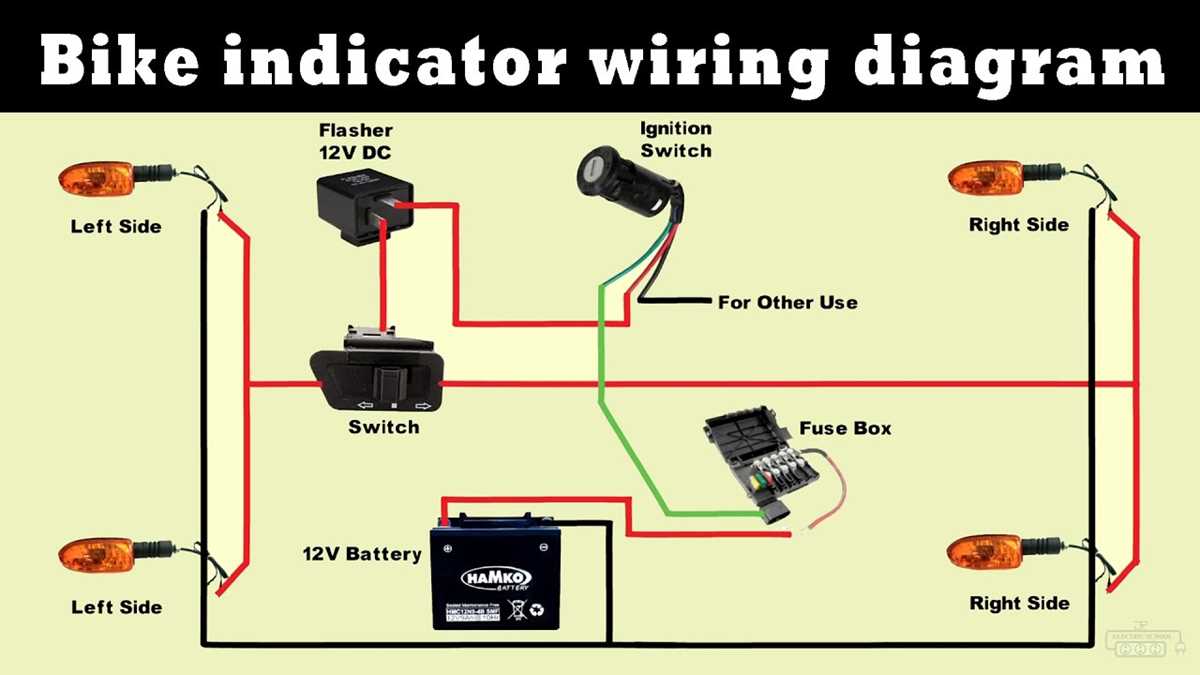
For a smooth and safe installation of electrical systems that signal status or errors, start by familiarizing yourself with the core connections. A simple circuit that connects to a power source and an actuator will often include a switch to open or close the path. Mastering how these components interact will prevent errors during the setup process and ensure proper functionality.
Before starting with any installation, check the compatibility of the components. The resistor values, power ratings, and wire thickness must align with the voltage and current specifications of your system. Incorrect sizing could lead to short circuits, damage to the components, or inefficient operation. Understanding the key components like resistors, diodes, and the role of a simple on/off switch is critical for safe and reliable performance.
Once you have verified that all components are suitable, focus on the connection points. Proper grounding, insulation, and secure connections will prevent unwanted disruptions in the operation. Following a step-by-step approach will help you set up the system without overlooking critical details like ensuring the switch toggles the right circuit paths or verifying the continuity of wires. Troubleshooting can be simplified with a clear understanding of the wiring setup.
How to Interpret a Basic Control System Wiring Scheme
Understanding how a power-on or off indicator is wired into an electrical network requires identifying the key components. At the core, you will find a power source, a switch, and a device that responds to the signal. The switch either completes or interrupts the flow, while the device reacts to the signal, turning on or off as needed.
The first step in understanding the wiring process is identifying the type of switch being used. A simple toggle switch opens and closes the connection, while more complex switches may regulate the flow through multiple paths. Ensure that the switch matches the requirements of your application in terms of current and voltage ratings.
Choosing the Right Resistor for Proper Functioning
To control the flow of electricity and prevent damage, a resistor may be placed in series with the power line. The value of the resistor depends on the desired current limitation. Using the wrong value resistor can result in either insufficient current or a high risk of overheating. Always consult the specifications of the power source and the response device to choose an appropriate resistor.
The resistor ensures that the device will not receive more current than it is designed for, thus protecting it from damage. Calculating the correct resistance based on Ohm’s Law (V = IR) will allow you to fine-tune the power distribution and avoid issues like short-circuiting.
Ensuring Proper Grounding and Insulation
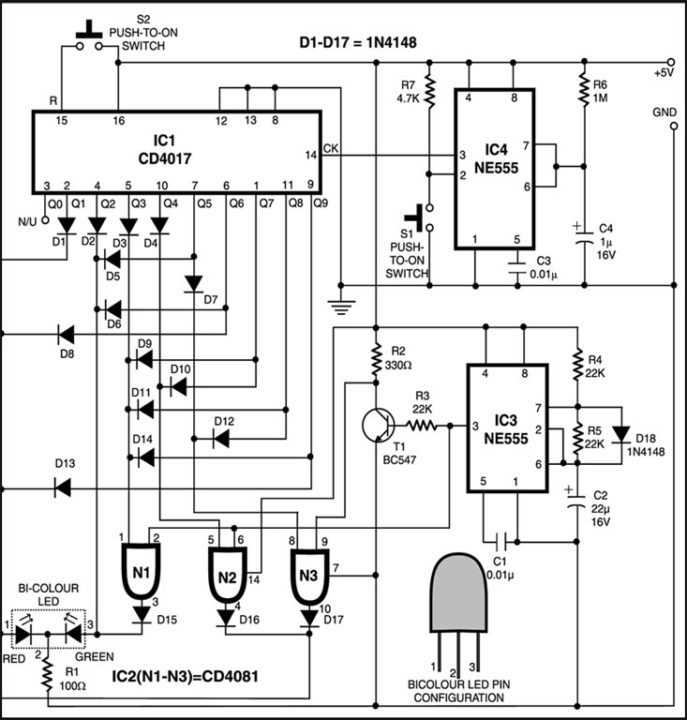
Grounding is another critical aspect to keep in mind during installation. If the circuit is not properly grounded, it may pose safety risks such as electrocution or fire. Make sure that the ground wire is securely connected to a suitable point and insulated to prevent accidental contact.
Insulation of all exposed wiring helps prevent accidental shorts and ensures that no unintended current flows through other parts of the system. Pay close attention to the insulation material to ensure it matches the voltage rating of your system and can withstand heat generated during operation.
Always use insulated connectors and terminals to secure the wires, and never leave wires exposed. Proper insulation will ensure long-term durability and safe operation.
In cases where you are installing the setup in environments with moisture or extreme temperatures, using high-quality insulation and waterproof components will increase the longevity of your system.
How to Read an Indicator Light Circuit Diagram
The first step to understanding the wiring for any status signaling system is to locate the power source. In most cases, this will be a battery or a direct power feed from the electrical grid. The power source is typically marked with a “+” for positive and a “-” for negative. Understanding this is crucial because it helps you trace the flow of electricity throughout the system.
Next, identify the switch or relay in the schematic. This component is responsible for controlling the current flow to the device. A simple switch may be represented as a break in the line, while a relay will often have additional components like a coil or contact points. Take note of the on/off states marked in the diagram, as they will indicate whether the device will be energized or not.
Interpreting Components in the Wiring
Now, focus on the specific device that will respond to the current. This may be a signal display or some other actuator. Look for symbols that represent components such as resistors, capacitors, or diodes. These are often used to control the amount of current flowing into the response device, ensuring that it operates within its safe limits.
Resistors are typically represented by a jagged line, while diodes are shown as triangles pointing to a line. Understanding these symbols and their locations helps you determine how much voltage and current each component will experience, preventing potential damage to the system.
Following the Path of Current
Once you’ve identified the power source and switch, trace the current path through the schematic. The path should move from the positive terminal of the power source through the switch and then to the response device. If there are any branches or alternate paths, these must also be followed to ensure proper current distribution.
Pay attention to how the current flows in the system. If there is a grounding point, this will often be marked with a separate line leading to earth or a common ground bus. A grounded system prevents electrical shocks and ensures safe operation of the entire setup.
Finally, check for any additional control elements such as fuses or breakers. These are typically represented by a line with a small gap or a switch symbol. These components are designed to interrupt the current flow if the system is overloaded, protecting the components from damage.