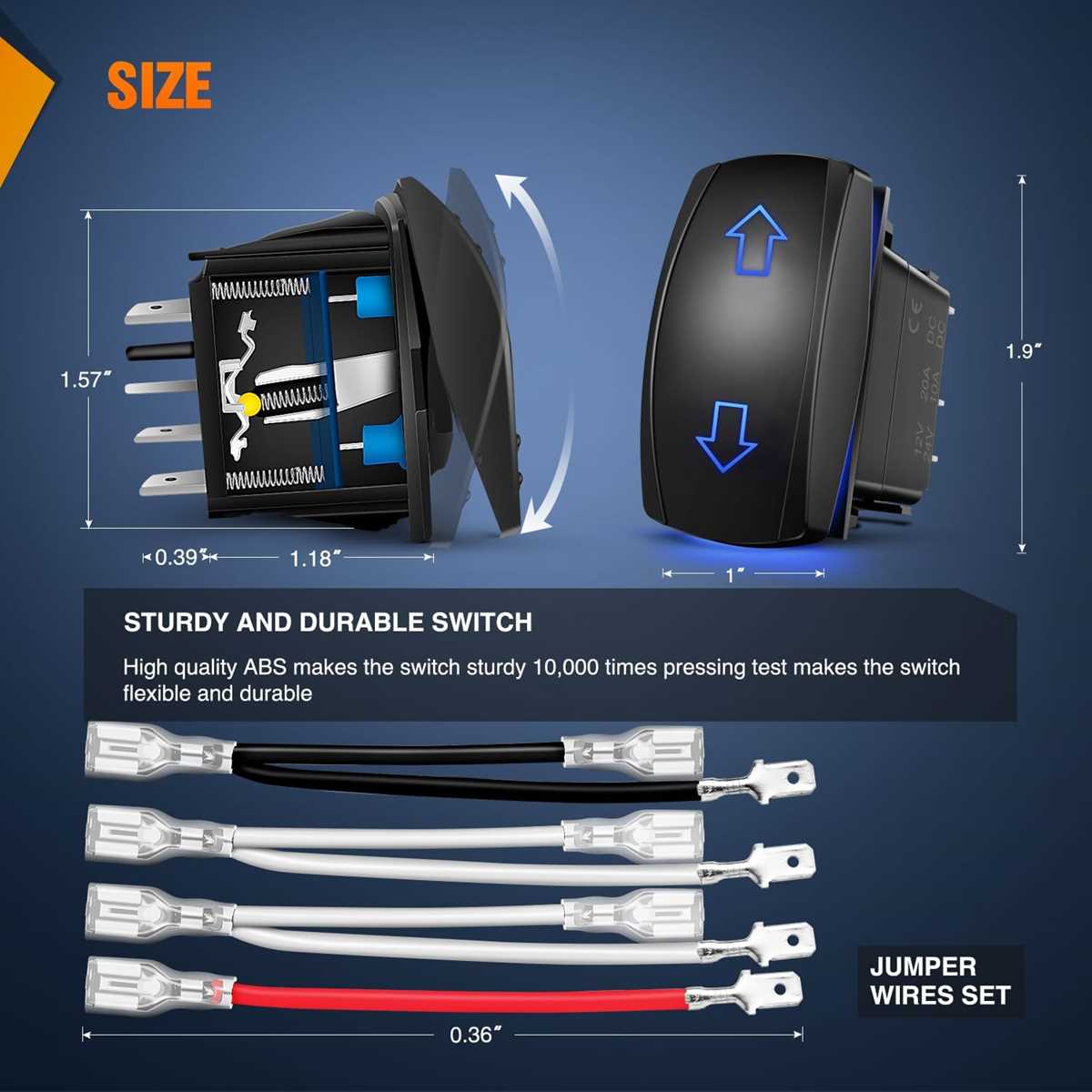
Ensure accurate identification of positive and negative leads before connecting any components to prevent short circuits or permanent damage. Use a multimeter to verify voltage orientation and continuity across terminals.
Select a device rated for the current load of your system to handle peak surges without overheating. Components with at least 20% higher capacity than expected current provide additional safety margin.
Label each conductor clearly and maintain consistent color coding to simplify troubleshooting. Black or blue for negative and red for positive lines reduces errors during installation and future maintenance.
Secure all terminals with proper torque to avoid loose connections that can generate heat or intermittent operation. Use insulated crimp connectors and heat shrink tubing where possible for enhanced protection.
Integrate a fuse or circuit breaker in series with the input line to safeguard against accidental misconnection. Choose a rating slightly above the normal operating current but below the device’s maximum tolerance.
Plan the layout to minimize conductor length while avoiding tight bends. Short, straight paths reduce voltage drop and improve overall stability, especially in battery-operated setups.
12v Reverse Polarity Switch Connection Guide
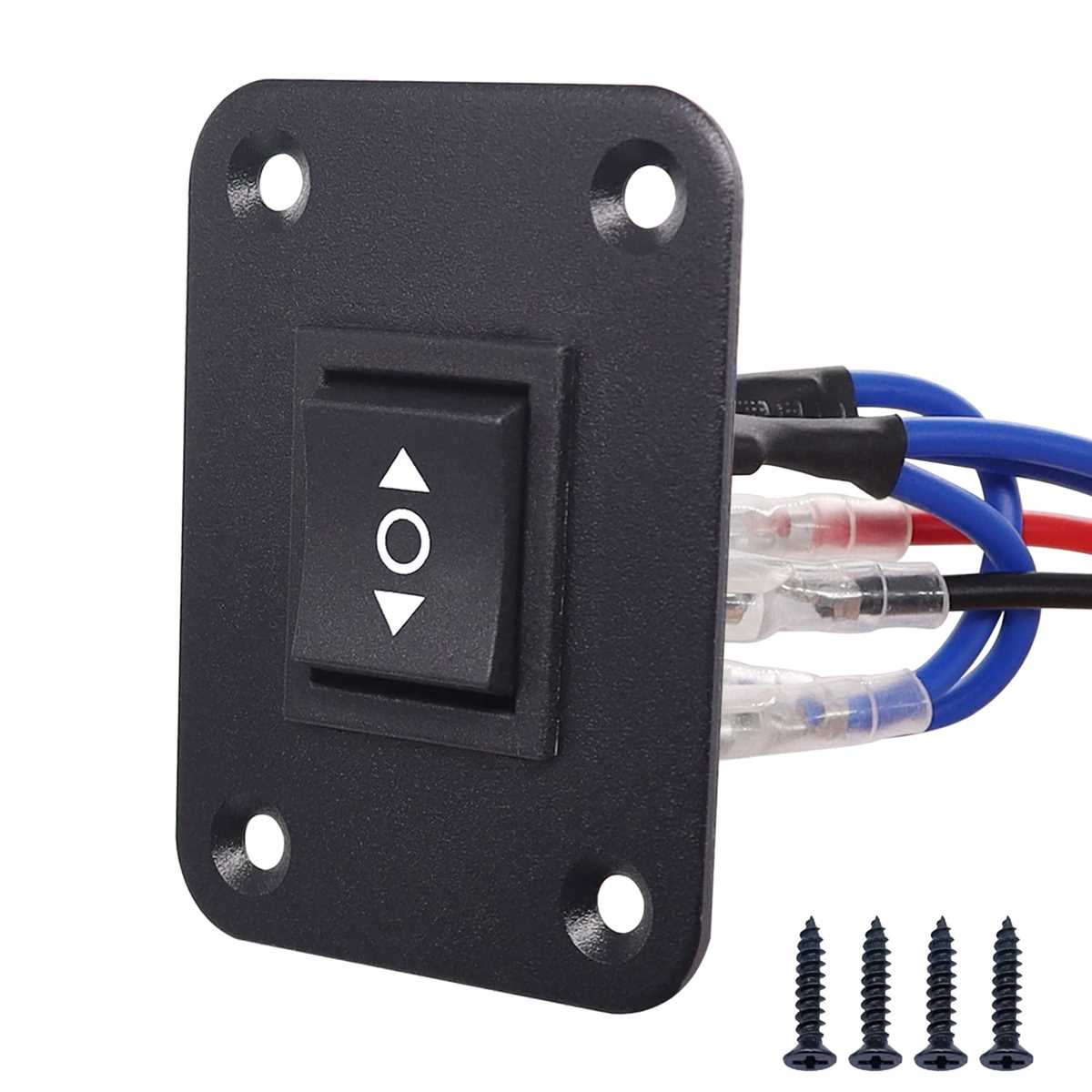
Verify the voltage orientation of each terminal before attaching any conductors. Misidentification can lead to component damage or tripping protection devices.
Use color-coded leads and label them clearly to differentiate positive and negative paths. Red for positive and black for negative maintains clarity across multiple installations.
Connect the input line to the first terminal with a secure crimp or solder joint. Ensure insulation extends to the terminal edge to avoid accidental contact with the chassis.
Attach the load connection to the second terminal using the same secure method. Confirm the path allows free movement of the device actuator without tension on the conductors.
Integrate a fuse or miniature circuit breaker in series with the input to limit current during accidental misconnection. Choose a rating slightly above normal operating load.
Check continuity with a multimeter before applying power. The device should route current correctly in each orientation without creating short paths.
Secure all components in a non-conductive housing to prevent accidental shorts or exposure to vibration. Fasten terminals with lock washers or insulated nuts for stability.
Test the setup under minimal load first to ensure smooth operation. Gradually increase to full current while monitoring voltage drop and temperature at each connection point.
Identifying Terminals and Understanding Polarity Flow
Label each contact point clearly before connecting any leads. Mark the input and output paths to prevent confusion, and ensure that current follows the intended route through the device.
Use a multimeter to test continuity between terminals. Confirm that each path allows current flow in the correct orientation and that no unintended shorts exist between opposing connections.
Trace the positive and negative paths visually on the component. Identify the conductive tracks or internal links, as this helps predict how voltage will shift when the device is engaged.
Observe load behavior under small voltage before full application. Checking for correct rotation or actuation ensures that polarity alignment is functioning as intended without risking component damage.