To effectively maintain and repair your cooking appliance, begin by familiarizing yourself with its core elements. Focus on identifying the burners, control knobs, heating coils, and electrical connections, as these are central to the unit’s operation.
Next, pay close attention to the wiring and connectors. These parts allow the flow of electricity and are critical to ensuring that heat is distributed properly. Inspect them regularly for wear or fraying to avoid safety hazards.
Don’t forget to check the ignition system. If the unit uses an electric or spark ignition system, make sure the connections are intact and free of corrosion. A faulty ignition can prevent the unit from lighting and cause cooking delays.
By understanding these key components and their roles, you’ll be better equipped to troubleshoot problems, perform maintenance, and extend the life of your appliance. Regular inspections are key to avoiding costly repairs down the line.
Understanding Key Components of Your Cooking Appliance
Begin by identifying the heating elements, which are responsible for producing heat. These are usually metal coils or smooth top elements that directly transfer heat to the cookware. Regularly inspect them for cracks or visible damage.
Next, focus on the control knobs and their connections. These parts allow for temperature adjustments. Make sure they turn smoothly and respond properly when you set a temperature. If they feel loose or unresponsive, they may need repair or replacement.
The ignition system is another critical part. If your appliance uses an electric ignition, check the spark module and the wiring that connects to the burner. A malfunctioning ignition system can prevent the unit from lighting properly.
Lastly, inspect the internal wiring and power connections. These ensure that the unit receives electricity and that heat is distributed evenly. If you notice any exposed wires or burnt connections, it’s important to fix them immediately for safety reasons.
How to Identify Key Components of Your Cooking Appliance
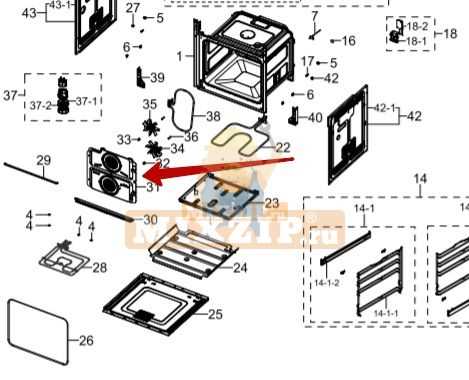
Inspect the heating elements first. These are typically round metal coils or smooth top burners. Look for any signs of wear such as cracks, discoloration, or inconsistencies in heating, which may indicate damage.
Check the control knobs. Ensure they are firmly attached and rotate smoothly. A loose or broken knob can hinder temperature control, making cooking difficult. Test the connections for any instability or improper response.
Examine the ignition system. If it’s electric, check the spark module and wiring connections. Corrosion or loose connections can prevent proper ignition. Ensure all parts are clean and securely fastened.
Look at the internal wiring and power supply. Make sure there are no exposed wires or frayed connections. Damaged wiring can lead to electrical hazards or uneven heat distribution, affecting performance.
Step-by-Step Guide to Replacing Cooking Unit Elements
Follow these steps to replace heating elements in your appliance:
- Turn off the power – Disconnect the unit from the electrical source to avoid any risk of shock.
- Remove the damaged element – Use a screwdriver to loosen any screws securing the element in place. Gently lift it out, checking for any wiring or clips that may be holding it in position.
- Inspect the wiring – Check the wire connections to ensure there are no signs of damage. If necessary, clean the terminals and make sure they are free from rust or corrosion.
- Install the new element – Position the new element in place and ensure it is securely fastened. Reconnect any wiring or clips that were detached during the removal process.
- Test the new element – Reconnect the power and test the new element to ensure it is heating properly and responds to temperature adjustments.
By following these steps, you can safely replace heating elements and restore your appliance’s functionality.
Troubleshooting Common Appliance Hardware Issues
If your unit isn’t working properly, here’s a guide to troubleshoot frequent hardware problems:
- Non-heating element: Check if the element is securely connected. Inspect wiring for any visible damage. If the element appears broken, replacing it may be necessary.
- Faulty temperature control: If your appliance isn’t reaching the desired temperature, inspect the thermostat or temperature sensor. A malfunctioning sensor may need replacement, or you might need to recalibrate the temperature settings.
- Uneven heating: If some areas heat faster than others, check the heating element for damage or wear. Ensure the element is aligned properly and that the surface is clean to avoid hot spots.
- Power issues: If your appliance won’t turn on, inspect the power supply, including circuit breakers or fuses. Check the electrical wiring for signs of loose connections or burns.
- Sticky knobs or controls: Clean the knobs and surrounding areas. If they still feel unresponsive, the control switch may be faulty and need replacement.
By addressing these common issues, you can often resolve minor problems without professional help. If the issue persists, it may require further investigation or replacement of internal components.