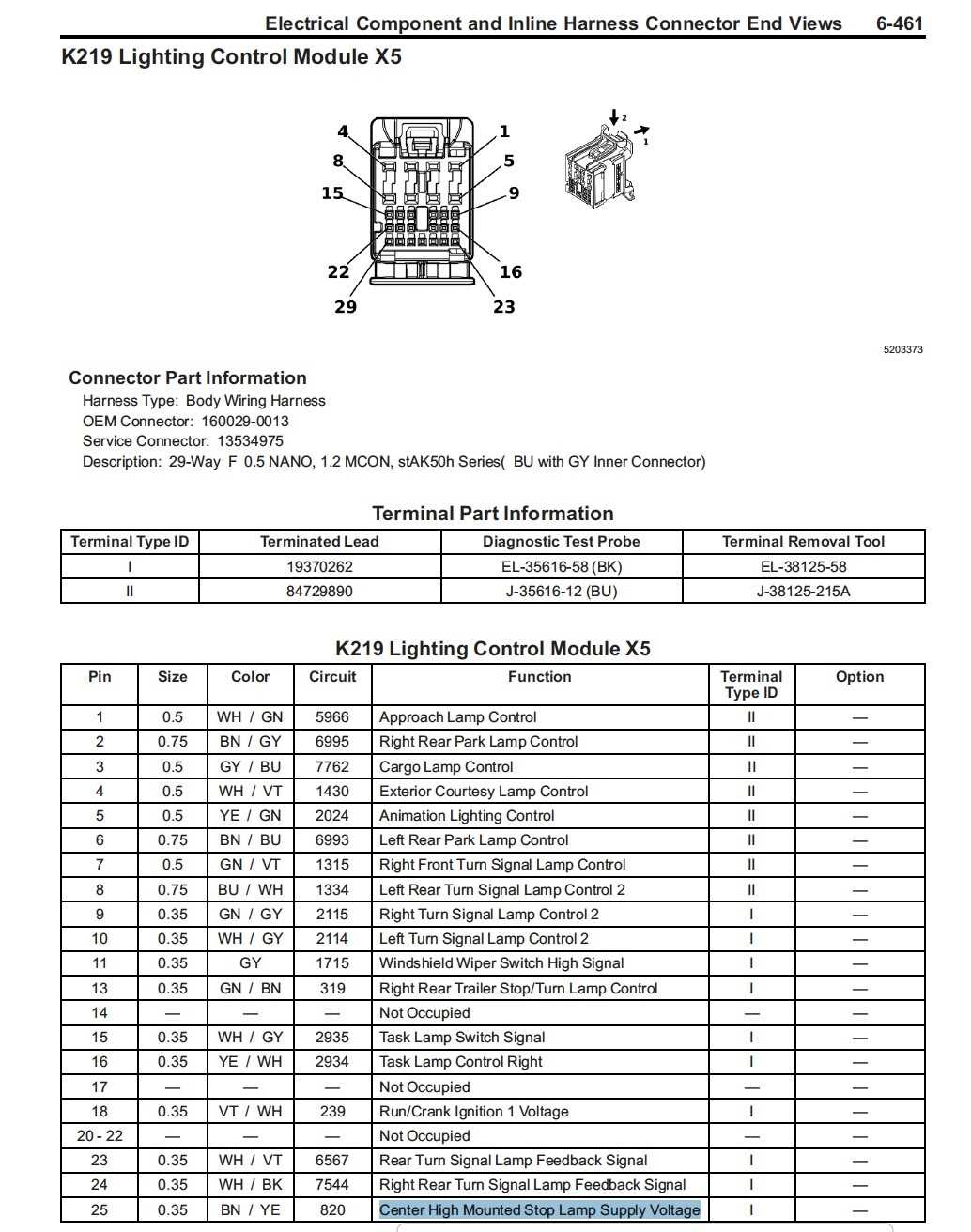
Begin by ensuring you have the right components, including heavy-duty wire, connectors, and a suitable power source. Check the voltage of your vehicle’s electrical system to match the light’s requirements.
Next, carefully plan the connection path. Choose a location that provides clear visibility without interfering with other components. Secure all connections using proper terminals and insulation to avoid corrosion and ensure a long-lasting setup.
After making the connections, perform a safety test. Verify the proper functioning of the new rear fixture by checking the light’s response to braking. If it doesn’t activate correctly, double-check the wiring and ensure the ground is properly connected.
Installing a Rear Visibility Light System
Start by selecting the appropriate components for the system. Ensure that the power rating of the light matches your vehicle’s electrical system to avoid overloading. A typical system requires a 12V light fixture and a proper connector designed for automotive use.
Next, identify the location for mounting the fixture. This should be above the vehicle’s rear window, ensuring visibility from all angles. Use screws or adhesive mounts, depending on the fixture’s design, and ensure the base is securely attached to avoid movement while driving.
Prepare the wire by measuring the distance from the power source to the light location. Use an appropriate gauge wire, typically 16 AWG for most automotive systems, and make sure it is rated for outdoor use to withstand weather conditions.
Connect the positive lead from the light to the brake light wire. This can be done by tapping into the existing brake light circuit, but be sure to use a fuse tap to prevent electrical damage. The ground wire should be connected to a clean, unpainted metal surface on the vehicle frame.
Double-check all connections and ensure they are secure. Use wire nuts or crimp connectors to join wires, and apply electrical tape to provide additional insulation and protection. It’s important to prevent any exposed wires from coming into contact with metal surfaces.
Once all the connections are made, test the system by turning on the vehicle and pressing the brake pedal. The light should illuminate when the brakes are engaged. If the light fails to activate, check the fuse and connection points for any issues.
Finally, protect the wiring with weatherproof sheathing and secure it along the vehicle’s frame using cable ties. This ensures that the wiring remains intact and protected from potential damage caused by road debris or harsh weather conditions.
Choosing the Right Tools and Materials for the Installation
Selecting the proper tools is the first step in any successful installation. For this task, you’ll need a wire stripper, crimping tool, electrical tape, and a voltage tester to ensure your connections are safe. A wire cutter will also be essential for trimming the cable to the correct length.
Next, use the correct connectors for the job. Automotive-grade wire connectors are necessary to prevent corrosion and ensure a solid connection. Opt for weatherproof or heat-shrink connectors for added protection against moisture, especially in outdoor conditions.
For the cable, choose an appropriate gauge. A 16 AWG wire is usually sufficient for most standard installations, but if you’re working with heavier-duty systems, 14 AWG or even 12 AWG might be needed. The wire should be rated for automotive use to handle high heat and exposure to the elements.
Additionally, secure fasteners such as screws, bolts, or clamps will be required to mount the light in place. Choose materials like stainless steel or galvanized hardware, as these are resistant to rust and corrosion. Use a drill and appropriate drill bits to make holes for the mounting points.
Before you begin, ensure you have a multimeter to check voltage levels and test continuity. This tool will help you confirm the integrity of each connection and ensure that the circuit is functioning as expected. A good multimeter can save time and prevent unnecessary troubleshooting.
Finally, ensure you have protective equipment such as gloves and safety glasses to prevent any accidents during the installation process. A safe, well-equipped workspace will help ensure the project goes smoothly and without issues.