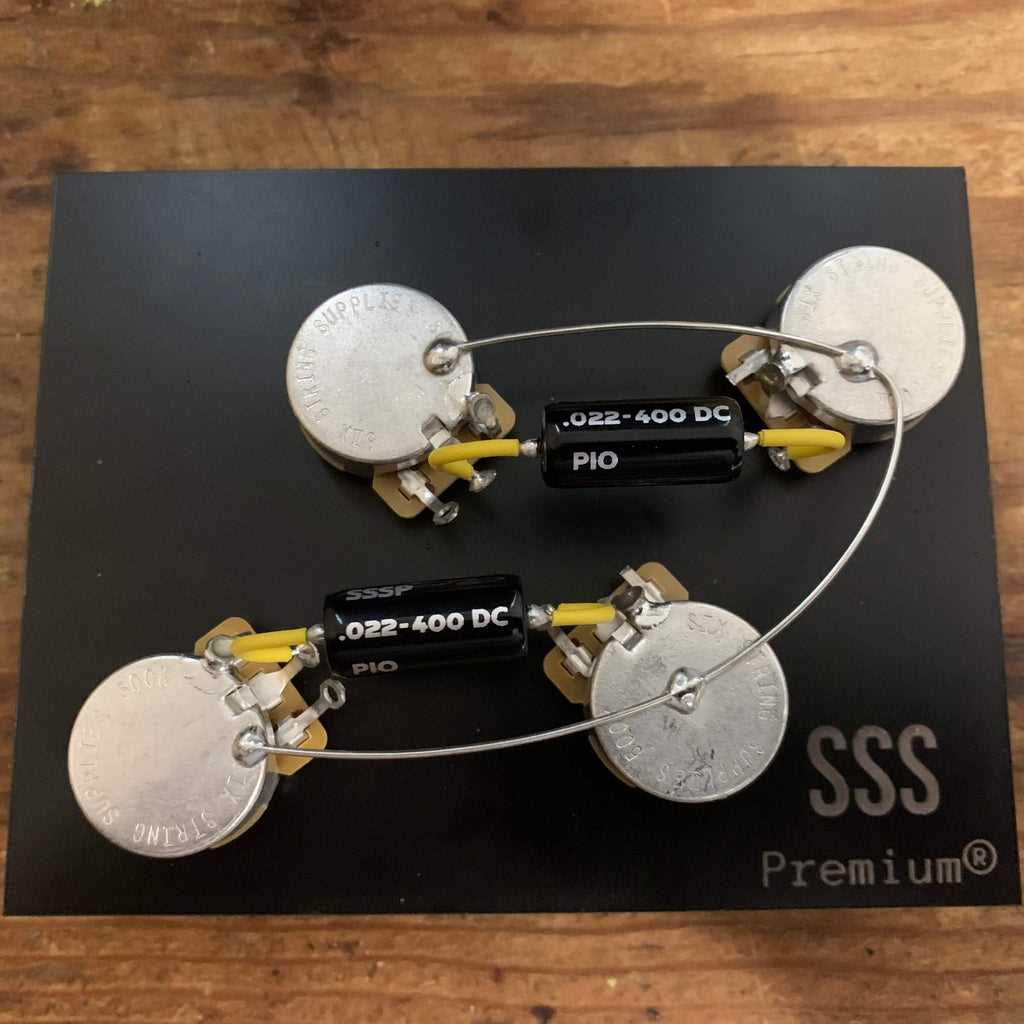
For those aiming to achieve the vintage tone that stands out with clarity and warmth, proper setup of the controls and components is key. The configuration of the pickups, potentiometers, and capacitors significantly affects your instrument’s output, dictating how each string resonates and blends with the others. Getting the setup right ensures the optimal interaction between these elements, giving you full control over the sound.
Start by carefully examining the connections between the pickups and the rest of the control circuit. Properly wiring each component ensures there is no loss in signal integrity, keeping your sound bright and clear. Each adjustment on the knobs will alter the tone and volume, offering you a wide range of sonic possibilities. Ensure that each component is placed correctly to preserve the instrument’s original response.
The choice of capacitors and resistors plays a pivotal role in shaping your tone. These elements control the frequency range, influencing how high or low your sound will be. By selecting the right values and positioning them strategically, you can enhance the warmth and clarity while avoiding muddy tones. Carefully consider these parts as they greatly affect the overall tonal character of the instrument.
Les Paul 50s Wiring Setup Guide
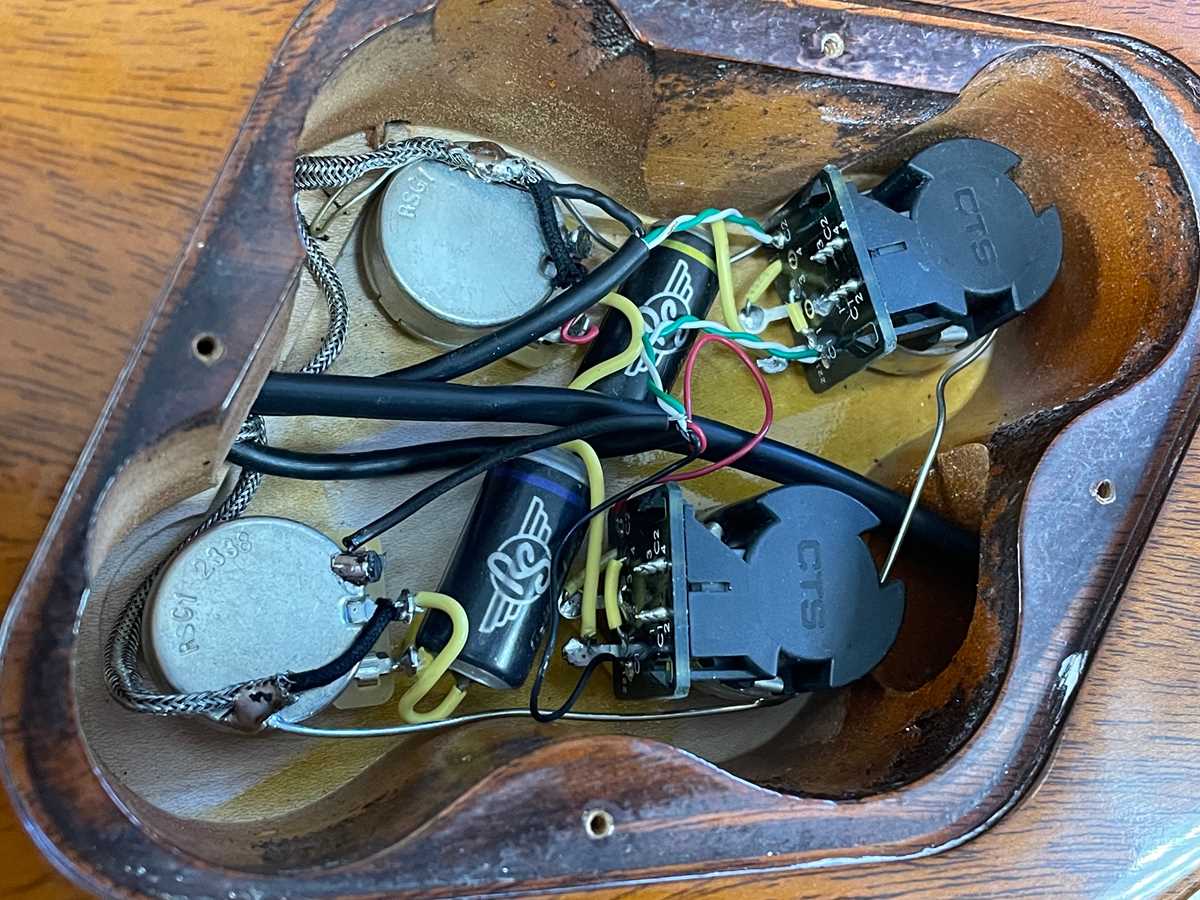
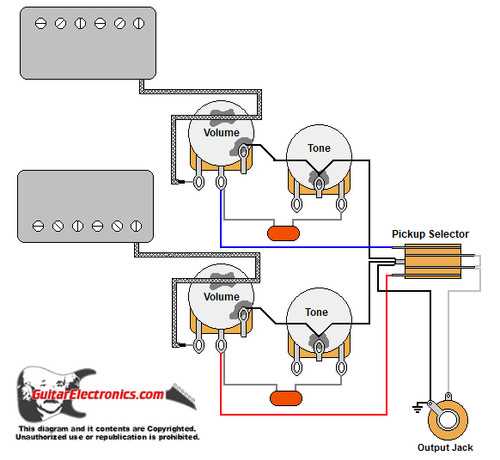
To begin, ensure the control knobs are properly wired to the correct terminals on the potentiometers. The tone and volume pots should be connected directly to the pickups, with the signal flow remaining as straightforward as possible. This setup avoids unnecessary signal loss and preserves the tonal clarity of the guitar. The correct routing of the ground wire is also important to avoid hum or unwanted noise from the signal chain.
Next, focus on the switch connections. The toggle switch should be wired to allow easy selection between the bridge and neck pickups. One of the key characteristics of this setup is its simplicity, as it avoids the complexity of modern configurations. Ensuring that the wiring is clean and the switch terminals are securely attached will allow you to easily alternate between pickups without interruption.
When wiring the tone capacitors, the value plays a critical role in defining your overall sound. For this setup, a typical value would be between 0.022µF and 0.047µF, which helps shape the treble and bass response. A higher value will cut more high frequencies, while a lower one preserves more of the natural high end. Make sure the capacitors are placed properly to ensure that the tones respond accurately to adjustments.
Finally, don’t forget to carefully check all solder points for reliability. A poor connection could cause signal dropout or other issues. The key is to take your time with each connection and ensure that no part of the system is underpowered or overextended. Once everything is connected, plug in and test each control to ensure smooth functionality and a balanced sound across all settings.
How to Set Up the Les Paul 50s Wiring for Vintage Tone
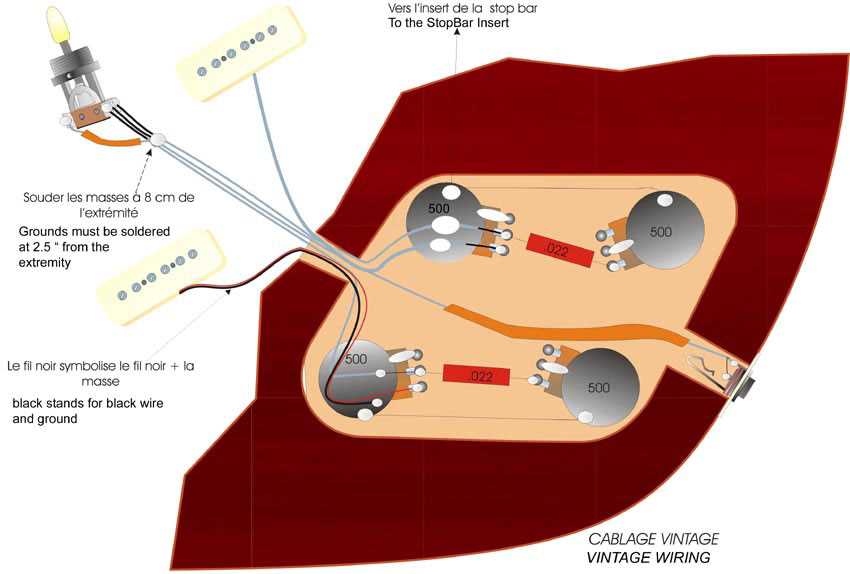
To achieve a vintage sound, start by using the correct tone capacitors. A common choice for this setup is the 0.022µF capacitor, which helps tame the high frequencies and provides a smoother, warmer tone. This value works well for both the neck and bridge pickups, allowing for a classic, mellow sound when turning down the tone controls.
Next, ensure that the potentiometers are wired for a smoother taper. This means using audio-taper pots, which provide a more gradual response as you adjust the volume and tone. A linear taper pot would give a more abrupt response, which is not ideal for a vintage feel. Wiring the volume controls with the correct grounding can further help in achieving a noiseless and clean signal.
Finally, the key to maintaining a classic tone is proper soldering. Ensure that the connections are tight and free of excess solder, as sloppy connections can introduce unwanted noise. Once the setup is complete, test the guitar at low volumes first, gradually increasing the level to ensure that each component responds as expected without distortion or hum.