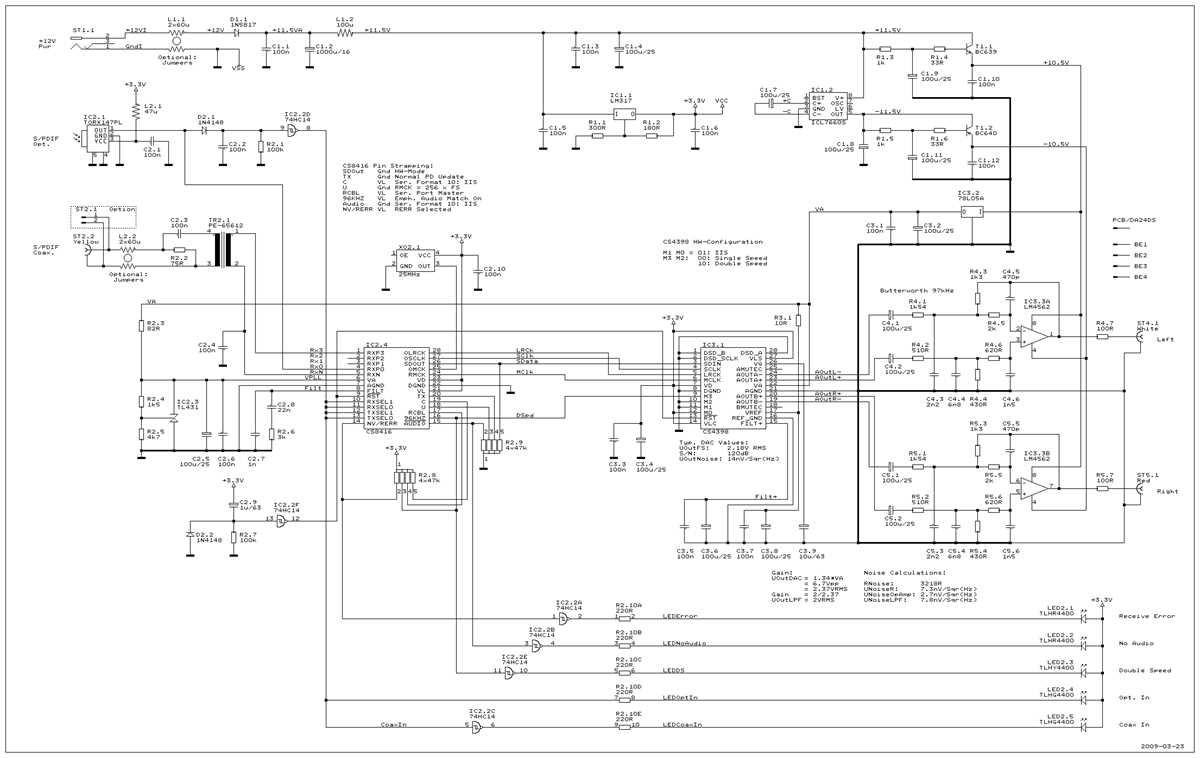
Ensure correct voltage levels when linking the module to microcontrollers, as input tolerances typically range between 3.3V and 5V. Exceeding these values can permanently damage internal resistive ladders and output drivers.
Use short, shielded leads to prevent signal degradation and maintain output precision. Unshielded or excessively long connections may introduce noise, affecting resolution and waveform stability.
Verify reference voltage against the module specifications before activating any output. The analog output directly scales with the reference, so small deviations can create significant voltage errors in downstream components.
Test each output channel individually using a reliable multimeter or oscilloscope. Sequential testing ensures that DAC-to-load connections are correct and prevents cross-channel interference that can distort signals.
Implement proper grounding across all components. Common ground between the digital source and analog load avoids voltage offsets and eliminates floating potentials that may cause erratic readings.
Module Connection and Operation Guide
Confirm supply voltage before connecting the module to any digital controller. Most units operate within 3.3V to 5V, and exceeding these limits can permanently damage the internal resistor ladder and output buffers.
Establish common ground between the digital source and analog load. A shared reference point eliminates floating voltages and ensures stable output across all channels.
Stepwise Connection Procedure
- Connect the power and ground pins, ensuring correct polarity.
- Link each digital input pin to the corresponding controller output, using short, shielded cables to reduce noise.
- Attach output terminals to the load, observing the voltage rating to prevent overloading downstream components.
- Verify reference voltage with a multimeter before enabling the module.
- Power up the module and test each channel sequentially.
Monitor output signals using an oscilloscope to ensure waveform integrity. Check that voltage steps match expected resolution and that no crosstalk occurs between channels.
Operation Tips
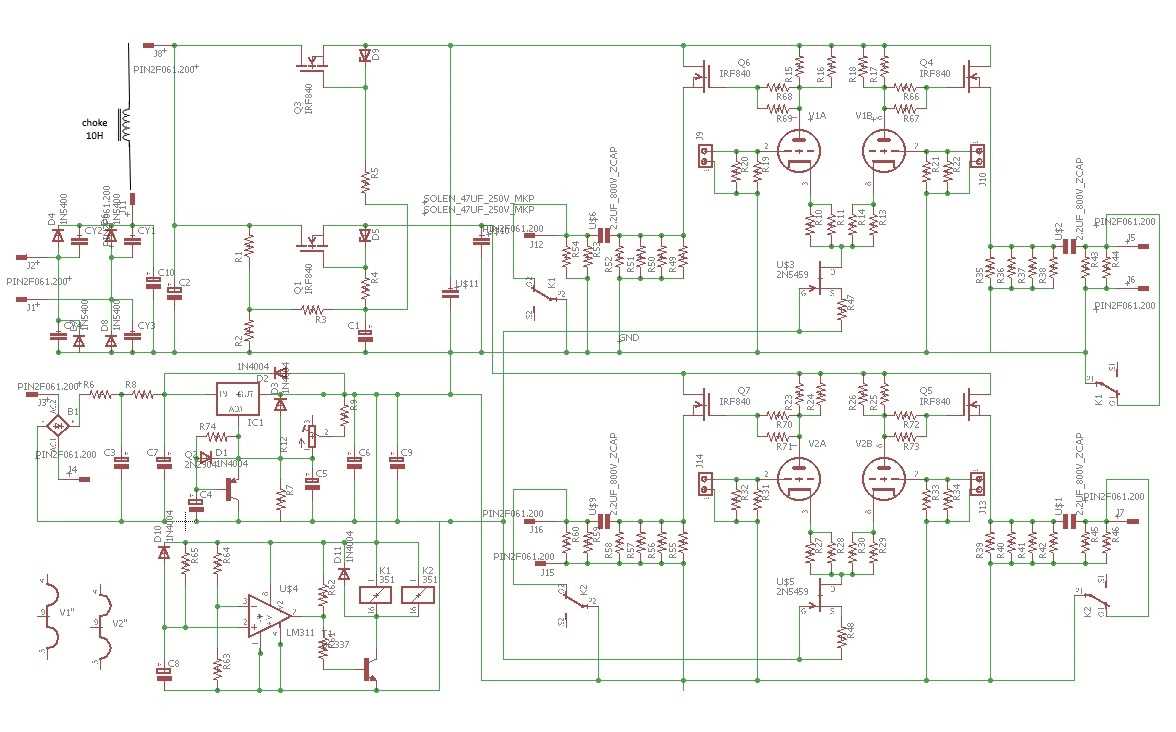
- Use decoupling capacitors near the supply pins to minimize ripple and transient spikes.
- Maintain short, direct connections to the load to avoid attenuation.
- Regularly inspect solder joints and connectors to prevent intermittent contact.
- Store unused modules in anti-static packaging to avoid electrostatic damage.
Understanding Pin Functions and Voltage Requirements
Identify each terminal before applying power. The module typically includes digital input pins, reference voltage inputs, and analog output terminals. Connect input lines only to compatible logic levels, and ensure reference pins receive a stable voltage between 2.5V and 5V to maintain accurate conversion across all channels.
Check voltage tolerances at all outputs before connecting downstream components. Analog outputs can range from 0V to the reference voltage, and exceeding this range can damage sensors or amplifiers. Use multimeters to confirm steady voltages and avoid spikes during initialization.