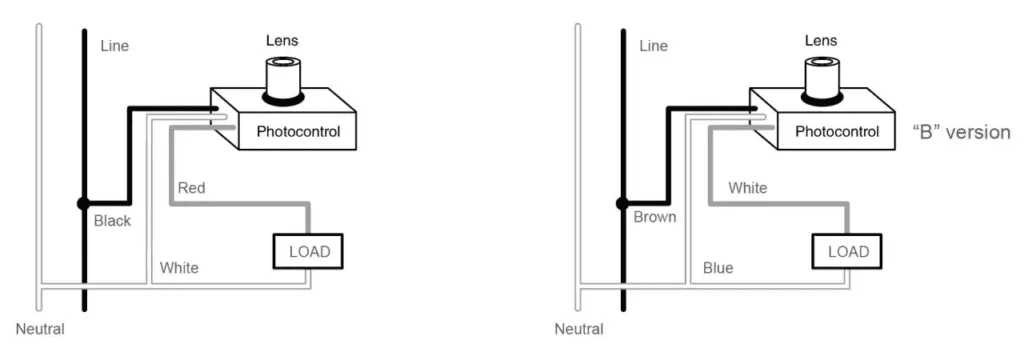
Start by identifying the power source and selecting the correct cable type to handle outdoor conditions. Using weather-resistant wire is a must to prevent corrosion over time.
Next, ensure the circuit is turned off before working with any electrical components. This step will help avoid shocks and accidents while setting up the fixture. Check the voltage specifications of your fixture to confirm compatibility with the chosen power source.
Once you’ve prepared the wiring, carefully connect the ground, neutral, and hot wires according to the fixture’s manual. Secure the connections with wire nuts and use electrical tape for extra security. Test the setup before finalizing the installation to make sure everything is working properly.
Wiring Setup for an Outdoor Fixture
Start by verifying the power supply type at the installation point. If you’re using a standard 120V system, ensure the cables you select can handle that load safely. Using cables rated for outdoor conditions is vital to prevent degradation from weather exposure.
Connection Sequence
Make the necessary connections by first attaching the ground wire to the designated terminal. Next, connect the neutral wire to the fixture’s neutral terminal and the hot wire to the power input. Ensure all connections are secure to avoid short circuits or poor functionality.
Safety Checks
Before turning the power back on, check all your connections with a voltage tester to confirm there are no live wires exposed. It’s also wise to test the fixture’s function after installation to ensure everything works properly, reducing the risk of malfunctions in the future.
Choosing the Right Materials for Outdoor Light Wiring
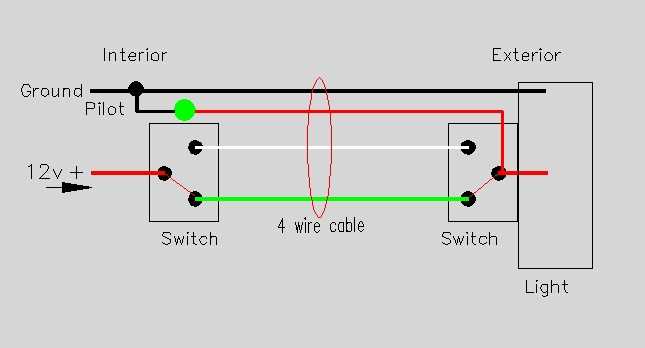
Use only cables specifically rated for outdoor environments. These are typically marked with a “UF” (Underground Feeder) or “THWN” (Thermoplastic Heat and Water-Resistant Nylon) designation. These wires are designed to withstand moisture, temperature fluctuations, and UV exposure.
Opt for corrosion-resistant connectors and terminals. Materials like brass or stainless steel offer better protection against rust and wear, ensuring long-term durability. Additionally, always use weatherproof junction boxes to house connections safely, preventing water ingress.
Choosing the Correct Gauge
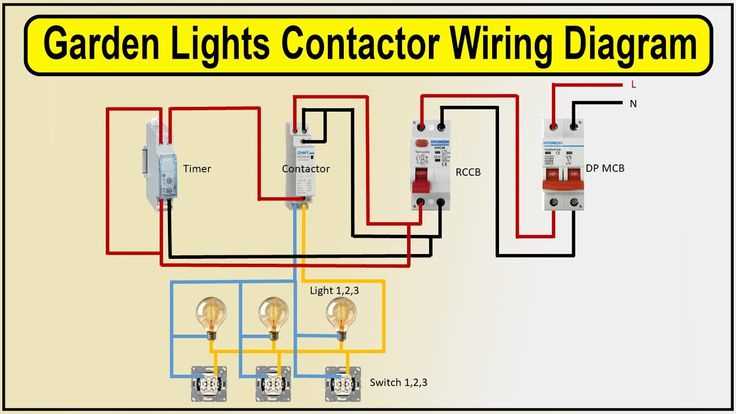
When selecting the wire gauge, choose a thicker wire (lower gauge number) for long-distance runs or higher-powered fixtures. A 12 AWG (American Wire Gauge) wire is common for most outdoor fixtures, but 14 AWG may be suitable for shorter runs with lower power demands. Using a gauge that is too small can lead to overheating and failure.
Insulation Type and Quality
- Thermoplastic Insulation (PVC) is commonly used for non-exposed areas but should not be used for outdoor installations subject to extreme temperatures.
- Cross-Linked Polyethylene (XLP) Insulation provides greater durability and resistance to UV rays, making it ideal for long-term outdoor applications.
- Rubber Insulation offers a higher resistance to water and chemicals, making it suitable for areas prone to wet conditions.