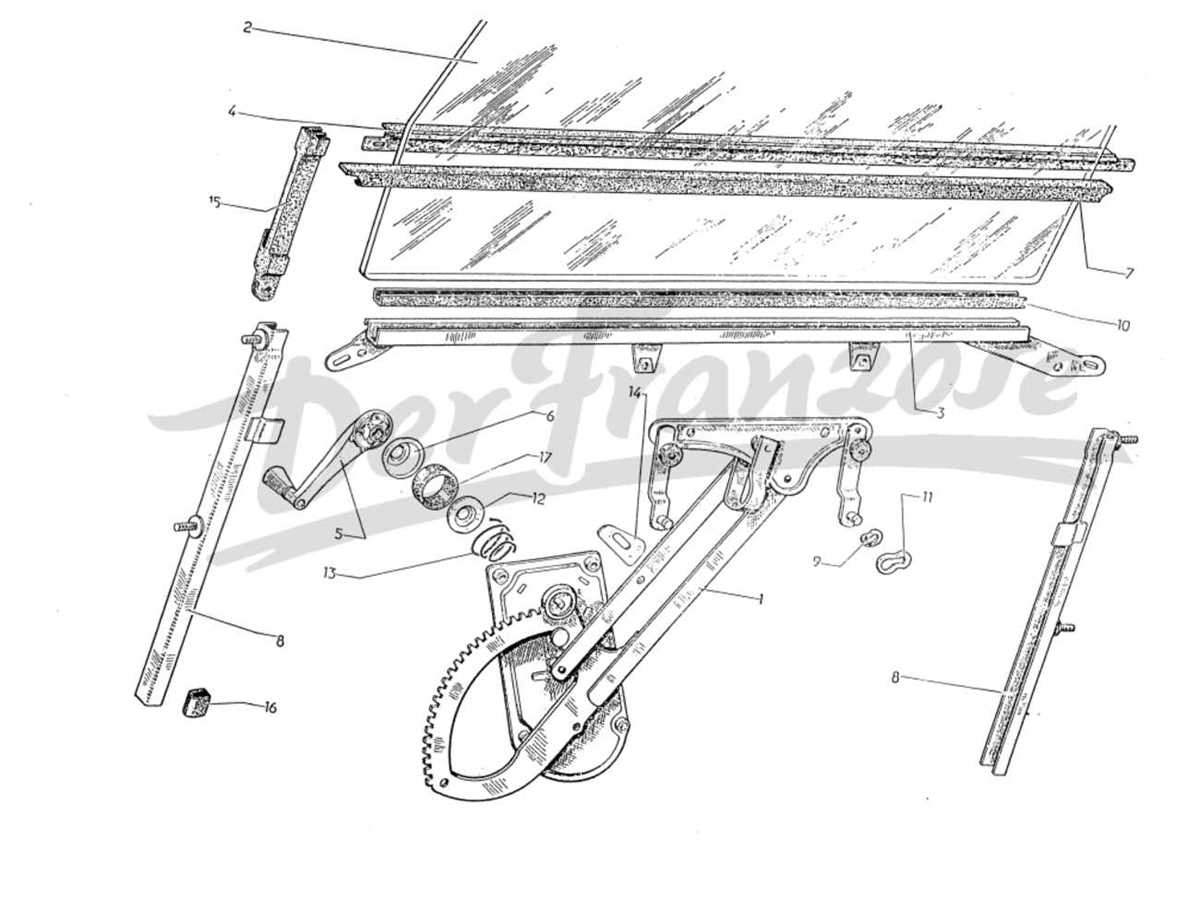
To keep your spreader running smoothly, identifying the key components and understanding their functions is vital. Regular maintenance can prevent costly repairs and ensure the machine operates efficiently. Start by reviewing the layout of each key element, like the drive system, control mechanisms, and dispensing mechanisms. These parts play a central role in ensuring even application and avoiding unnecessary wear.
When replacing worn or damaged parts, always reference the layout chart to find the correct part numbers and understand their exact placement in the machine. This helps you avoid ordering the wrong components and ensures that replacements are precise, which in turn keeps the equipment’s performance intact. For example, paying attention to the condition of the hopper and spreader wheels is crucial, as they directly affect spreading accuracy.
In case of common malfunctions, such as uneven material distribution or mechanical failure, check the most frequently used parts first. These are typically the sections most prone to wear, such as the motor, auger, or drive belts. If parts become damaged or fail, having a detailed diagram and accurate part numbers will streamline the replacement process and get your spreader up and running in no time.
Fertilizer Machine Components Overview and Maintenance Tips
Regular inspection of key components is important to maintain smooth operation. Start by examining the drive assembly, hopper, and dispensing mechanism. These areas often experience the most wear, especially if the equipment is used frequently. Ensure that each component is free from debris and corrosion to avoid malfunctions.
Here are some maintenance tips for each major section:
- Drive System: Check the belts and motor regularly for signs of wear. Replace any frayed or damaged belts immediately to prevent further damage to the motor.
- Hopper: Ensure the hopper is clean and free of clogs. Over time, material build-up can cause uneven distribution. Use compressed air or a brush to clean the interior.
- Dispensing Mechanism: Inspect the augers and spreader wheels for wear. These parts are subject to heavy stress, so replacing them as soon as you notice reduced performance will prevent further issues.
- Control Mechanism: Verify that all control settings are functioning properly. Ensure the cables and linkage are in good condition and replace them if they show signs of wear or damage.
In addition to these checks, always follow the manufacturer’s maintenance schedule for lubricating moving parts. This can extend the life of the machine and maintain optimal performance. Lastly, always have spare components on hand for quick replacements to minimize downtime.
How to Identify Key Components in Your Fertilizer Machine
Start by locating the main frame of the equipment, as it holds all the essential mechanisms. The motor and drive system are typically at the back or bottom, connected to the wheels or belts. These parts are responsible for the machine’s movement and distribution function. Inspect the motor for any signs of wear or misalignment.
Next, focus on the hopper. It’s the large container at the top or rear that holds the material for distribution. Check for any cracks or damage that may lead to leaks, which could affect the machine’s ability to evenly distribute. Ensure the internal parts of the hopper, like the auger, are rotating smoothly.
The distribution mechanism is a critical component, usually located beneath the hopper. This includes the spinning discs or spreader wheels that eject the material. Examine the spinning parts for wear and tear, ensuring they are not clogged with debris. If these components are worn, they can result in uneven application.
Don’t forget to check the control system, which includes the levers, cables, and switches that regulate the flow and spread of material. Make sure the cables are intact and that all controls move freely without resistance. Replacing any damaged cables is important to maintain smooth operation.
Finally, regularly clean and lubricate all moving parts to prevent premature wear. Identifying these key components will help you maintain your equipment in top condition, ensuring it operates at peak efficiency.
Common Issues with Equipment and How to Fix Them
If your machine is not distributing material properly, the first thing to check is the distribution mechanism. Blockages in the auger or spinning discs can cause uneven flow. Clear any debris and check for any broken or misaligned components. Replacing worn-out discs or augers will resolve this issue.
Another common problem is the failure of the drive motor. If the motor is running but the machine isn’t moving, inspect the drive belt or gears. If they are loose or damaged, replacing them should restore normal function. Make sure to lubricate the moving parts to prevent excessive wear.
Sometimes, uneven application results from a malfunction in the hopper. If the hopper is cracked or leaking, material can spill out or fail to feed into the distribution system. Inspect the hopper for any visible damage and replace it if necessary. Ensure the internal parts, like the feed auger, are in good condition and moving smoothly.
Another issue that often arises is a malfunctioning control system. If the controls are not responding or the cables are sticking, the system may need adjustment or lubrication. Check for any frayed or damaged cables and replace them immediately to restore proper control over the spreader.
Lastly, if your equipment isn’t turning on, the electrical system may be at fault. Inspect the wiring for any loose connections or short circuits. Tightening or replacing the wiring should fix the issue. Regular maintenance checks will help prevent these issues from becoming more severe in the future.