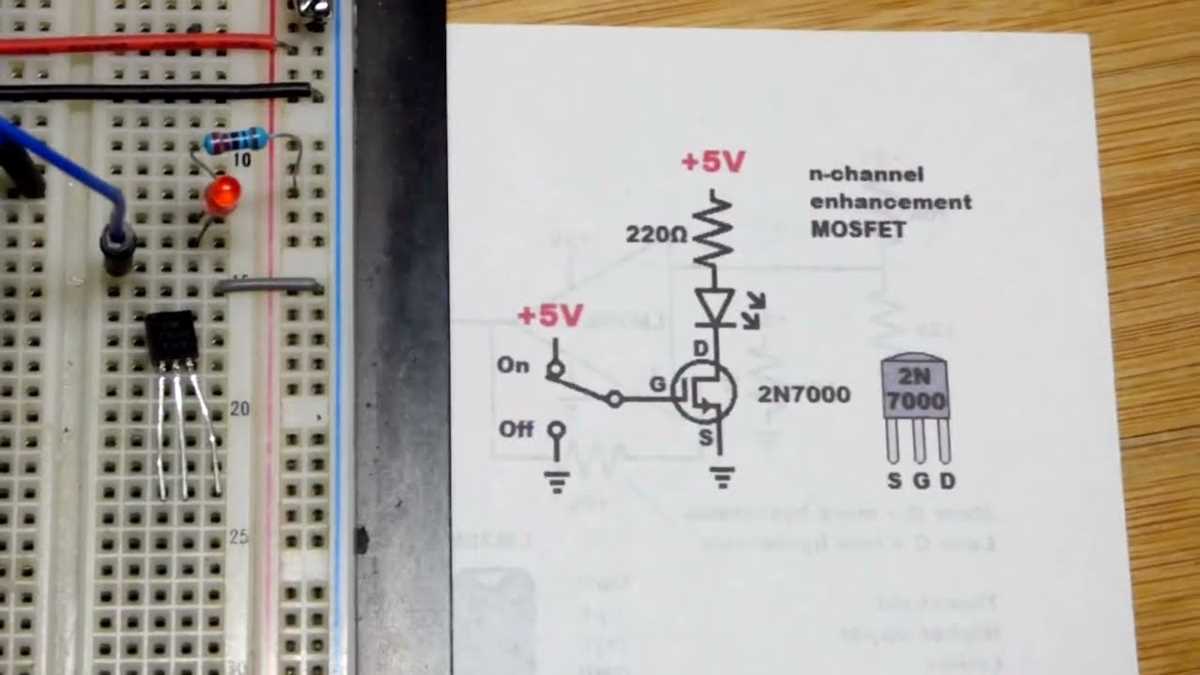
For efficient switching, connect the source of the transistor to the negative terminal of your power supply or ground. The drain should be connected to the load that you wish to control. The gate requires a voltage above a certain threshold to allow current to flow between the source and drain, enabling the device to switch on.
Ensure that the gate voltage is controlled using a resistor or a suitable driving circuit. This setup prevents unwanted current flow when the transistor is meant to be off. A typical approach is to use a pull-down resistor between the gate and source to maintain a low gate voltage when the driving signal is inactive.
Always consider the current rating and voltage limits of your components. The transistor must be able to handle the current that will pass through the load. To prevent damage from heat buildup, add a heatsink or ensure proper ventilation for effective thermal management.
When designing your setup, make sure the driving signal for the gate is compatible with the required voltage to switch the transistor fully on. It is common to use a logic-level signal for this purpose, which provides the necessary voltage for proper operation.
For reliable operation, check the specifications of the transistor to ensure the drain-source resistance (Rds(on)) is low enough for your application. High Rds(on) values can cause significant heat generation, reducing the efficiency of your circuit.
In more complex designs, consider using a driver IC for better control of the gate voltage. These ICs offer the advantage of providing higher current to the gate, ensuring faster switching speeds and more consistent operation in high-frequency applications.
Connecting an N-Type Transistor for Switching Applications
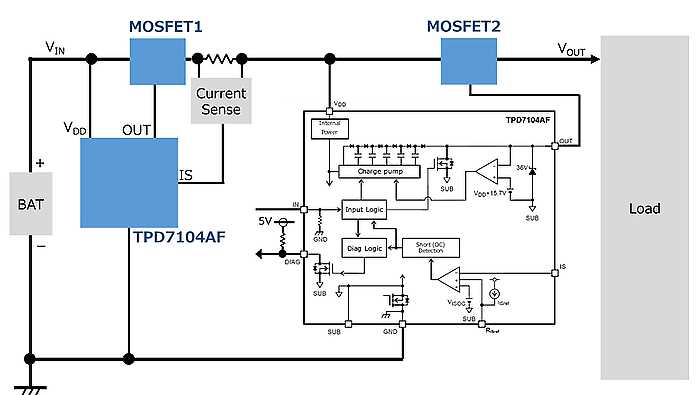
For proper functionality, connect the source pin of the transistor to ground. The drain should be linked to the negative terminal of the load, ensuring current can flow through the component when activated. The load should have a direct path to the positive terminal of the power supply to complete the current flow.
The gate requires a voltage above the threshold value to activate the switch. A logic-level signal often controls this voltage, allowing for a clear on/off transition. Be mindful of the voltage levels required to fully turn on the device and avoid partial switching, which could lead to inefficiencies or heat generation.
Include a pull-down resistor between the gate and source to ensure the device stays off when no driving signal is present. This resistor ensures that the gate voltage stays low and prevents unintended switching due to electrical noise or leakage currents.
When designing the system, choose the component with an appropriate current and voltage rating to handle the power demands of the load. Additionally, consider using a heatsink to dissipate excess heat if high current flows through the device, preventing damage and improving overall longevity of the setup.
How to Connect an N Type Transistor in a Common Source Configuration
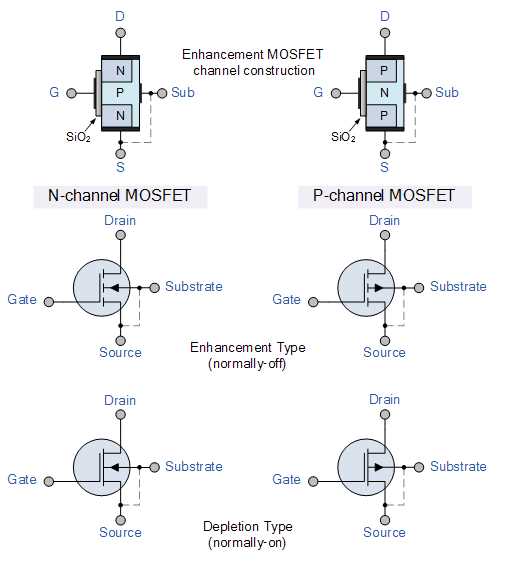
Begin by connecting the source terminal directly to the ground. This configuration ensures that the transistor operates in a switching mode, where the drain serves as the output terminal. Keeping the source at the lowest potential is critical for proper functionality.
The drain terminal should be connected to the negative side of the load, typically a resistor, LED, or another electronic component. The positive terminal of the load is then connected to the positive power supply. This setup is common in low-side switching applications.
The gate must be driven by a voltage greater than the threshold level to turn the device on. A control signal is used to provide the necessary gate voltage. It is important to ensure that the signal is stable and within the required range to fully activate the device and prevent partial conduction.
A pull-down resistor should be added between the gate and source terminals to prevent the gate from floating. This ensures that the gate remains at a low voltage when no driving signal is applied, keeping the transistor in the off state.
Always verify that the transistor can handle the current required by the load without overheating. If necessary, use a heatsink to dissipate heat and prevent thermal damage. Also, ensure that the voltage and current ratings are suitable for the specific application to ensure long-term reliability.