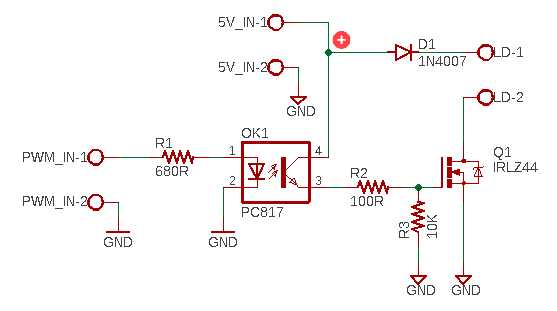
Connect a regulated voltage source to a current control setup to maintain consistent output for high-intensity modules. Use a series transistor configuration with a feedback resistor to limit current fluctuations and protect sensitive components.
Include a small capacitor across the output to filter voltage spikes and reduce noise. Capacitors in the range of 10nF to 100nF help smooth rapid changes without affecting response time significantly.
Choose transistors rated for higher collector-emitter voltage than the maximum supply to prevent breakdown during transient conditions. Devices with at least 50% margin above nominal supply voltage improve reliability.
Set the base resistor to control input current carefully. Typical values between 1kΩ and 5kΩ allow the module to operate within safe limits while providing sufficient gain for desired output intensity.
Test the assembly with low-power input first and monitor the output current. Adjust resistor values and feedback connections if current overshoots or output instability occurs under load variations.
High Current Module Connection Setup
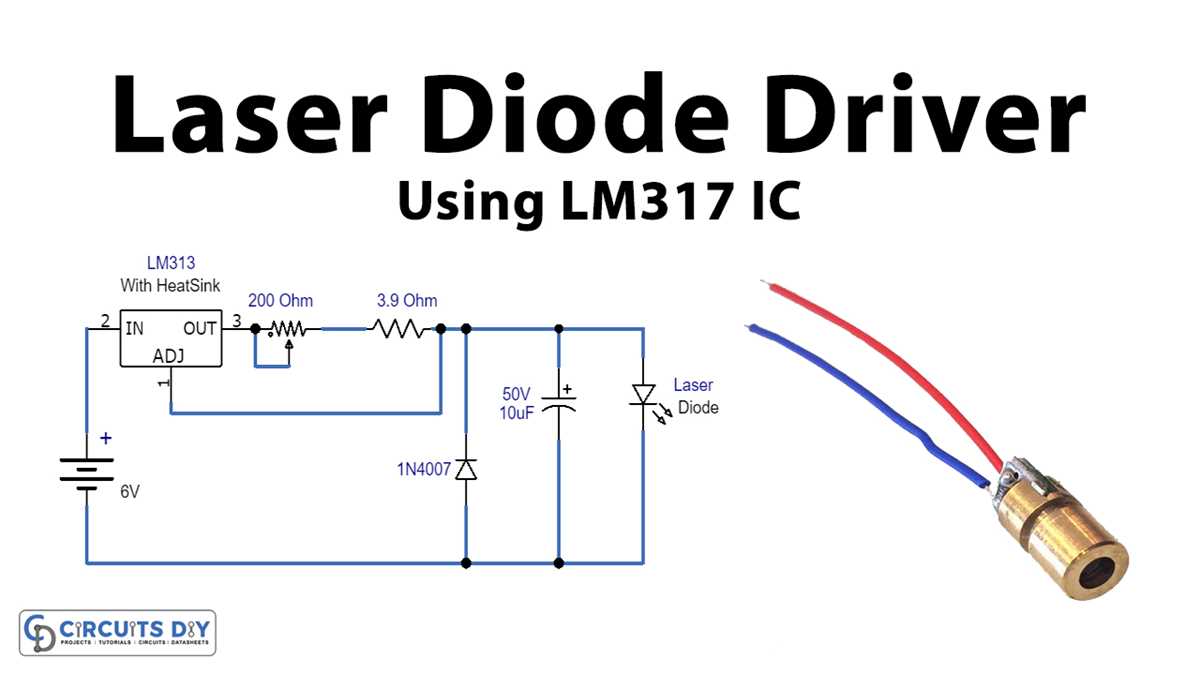
Use a regulated voltage source with a series transistor arrangement to control output intensity. Connect the collector of the first device directly to the base of the second for maximum gain. Include a resistor in the base line to limit input current, typically 1kΩ to 5kΩ depending on supply voltage.
Place a small capacitor across the output to reduce voltage spikes and filter high-frequency noise. Ensure transistors are rated at least 50% above expected voltage and current loads to prevent overheating or breakdown. Test with low-power signals first and adjust resistor values if output fluctuates unexpectedly.
Selecting Components for Stable Module Operation
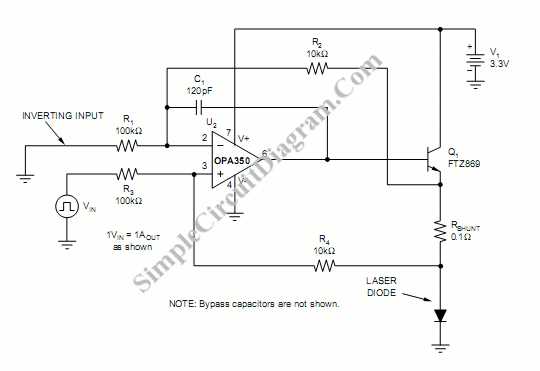
Choose transistors with higher voltage and current ratings than the expected supply and load to prevent thermal stress. Devices rated at least 50% above nominal voltage ensure reliable performance under fluctuating conditions.
Include resistors in series with the input to limit current to the first stage. Values between 1kΩ and 5kΩ help maintain stable amplification without overloading the transistor or the module itself.
Add capacitors across the output and supply rails to filter high-frequency noise and prevent voltage spikes. Typical values range from 10nF to 100nF depending on signal frequency and module sensitivity.
Verify component tolerances before assembly. Low-tolerance resistors and capacitors reduce drift and maintain predictable performance over time. Test each stage under low-power conditions to ensure stability before full-power operation.