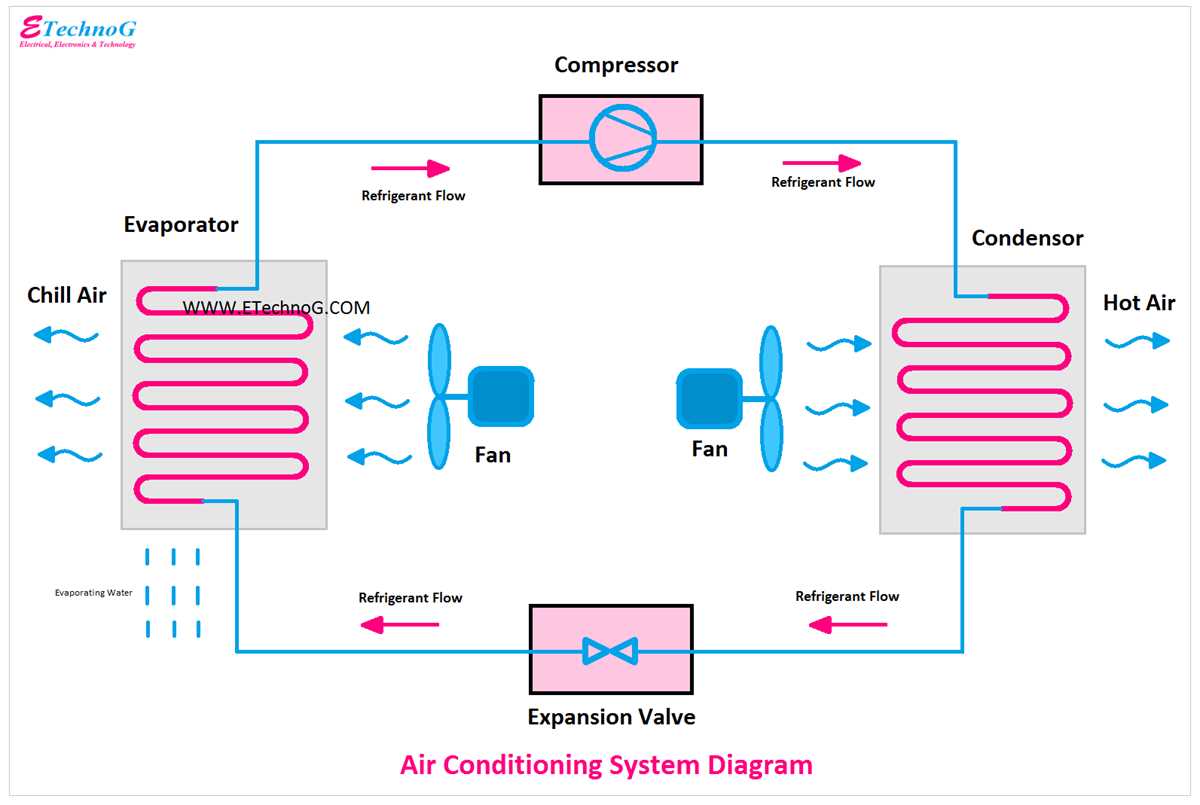
Turn off the main power supply before touching any electrical lines. Use a voltage tester to confirm no current flows through the cables to prevent shocks or short circuits.
Identify the main conductors by color coding: brown or red for live, blue or black for neutral, and green-yellow for grounding. Label each cable clearly to maintain correct connections.
Secure each conductor firmly in its terminal using a screwdriver of appropriate size. Loose contacts can overheat and damage components, so ensure clamps fully grip the strands without cutting the insulation.
Connect control circuits and sensors following the manufacturer’s sequence. Check polarity and signal lines with a multimeter to verify proper routing and safe operation before powering the unit.
Arrange cables neatly inside the enclosure to avoid stress points or interference. Use cable ties or clamps to maintain separation and prevent accidental contact between live and neutral lines.
Step-by-Step Guide to Connecting and Controlling an Air Conditioning Unit
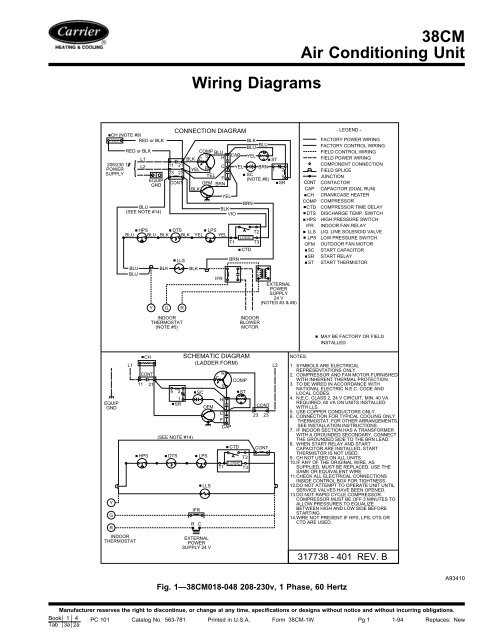
Switch off the main breaker and confirm all circuits are de-energized using a voltage tester. This prevents electrical shocks and ensures a safe working environment before any connections are made.
Identify live, neutral, and grounding lines by color: brown or red for live, blue or black for neutral, and green-yellow for ground. Mark each conductor to avoid mistakes during assembly and ensure the correct sequence of connections.
Secure each conductor in its terminal using a screwdriver that fits the clamp size. Tighten screws so that wires do not move but avoid over-compressing the insulation, which could damage the strands and reduce contact quality.
Test control circuits and sensors with a multimeter to verify continuity and proper polarity. Ensure the unit responds to the thermostat and remote signals before closing the enclosure, and arrange all cables to prevent interference or short circuits.
Identifying Power Lines and Ground Connections
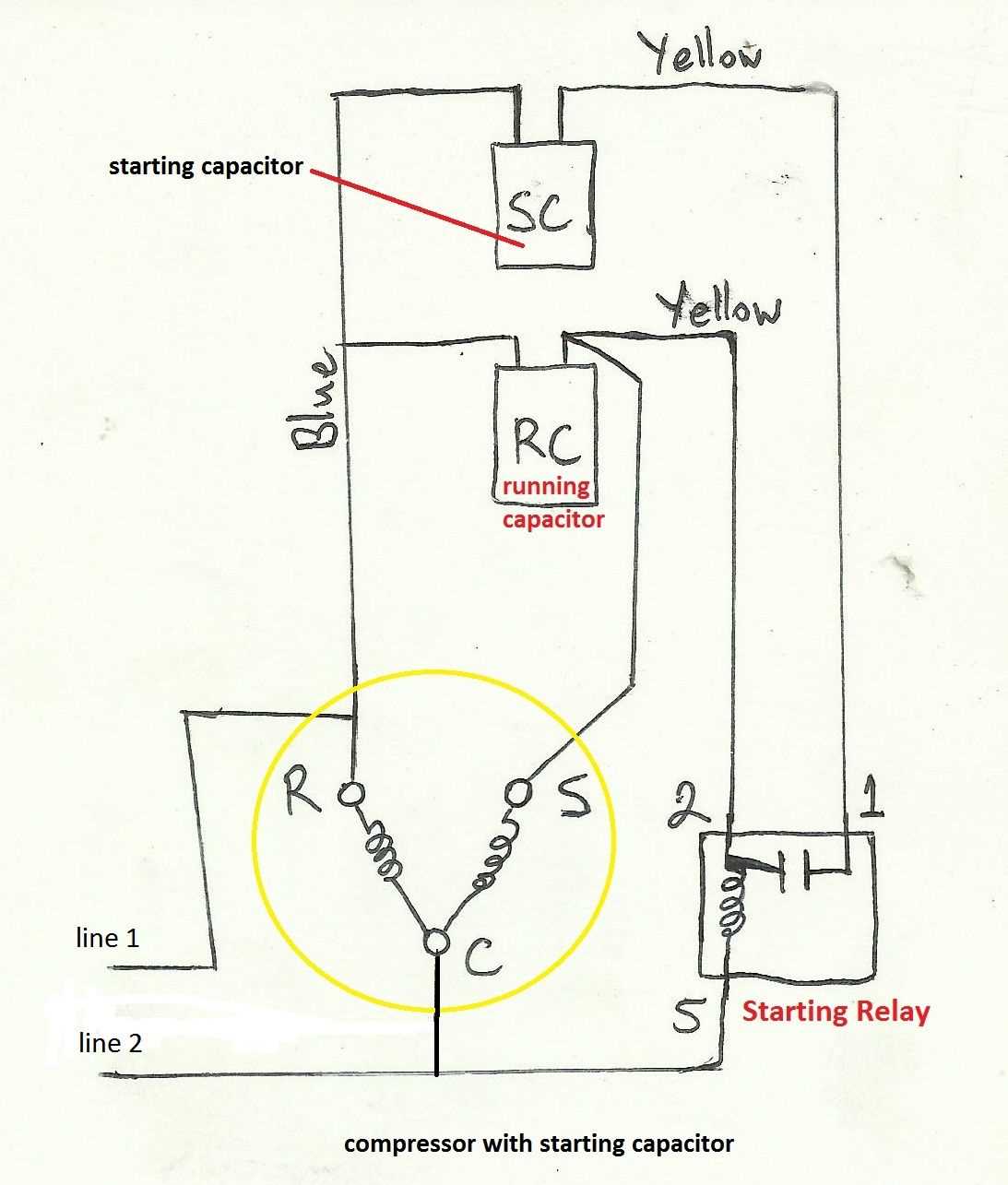
Turn off the main breaker and verify all circuits are de-energized with a voltage tester before touching any conductors. This ensures safety and prevents accidental shocks or shorts.
Separate conductors by color and function using these standard codes:
- Live line: typically brown or red, carries current from the supply.
- Neutral line: usually blue or black, completes the circuit back to the source.
- Ground conductor: green with yellow stripe, provides a safe path for stray currents.
Inspect each cable for damage or exposed strands. Replace or repair any insulation defects before connecting to prevent arcing or equipment failure.
Check each line with a multimeter to confirm continuity and correct polarity. This step ensures that live and neutral lines are correctly identified and that grounding provides proper protection.
Arrange and secure conductors inside the enclosure using clamps or ties. Keep live, neutral, and ground lines separated to avoid contact, and ensure terminal screws hold wires firmly without crushing insulation.