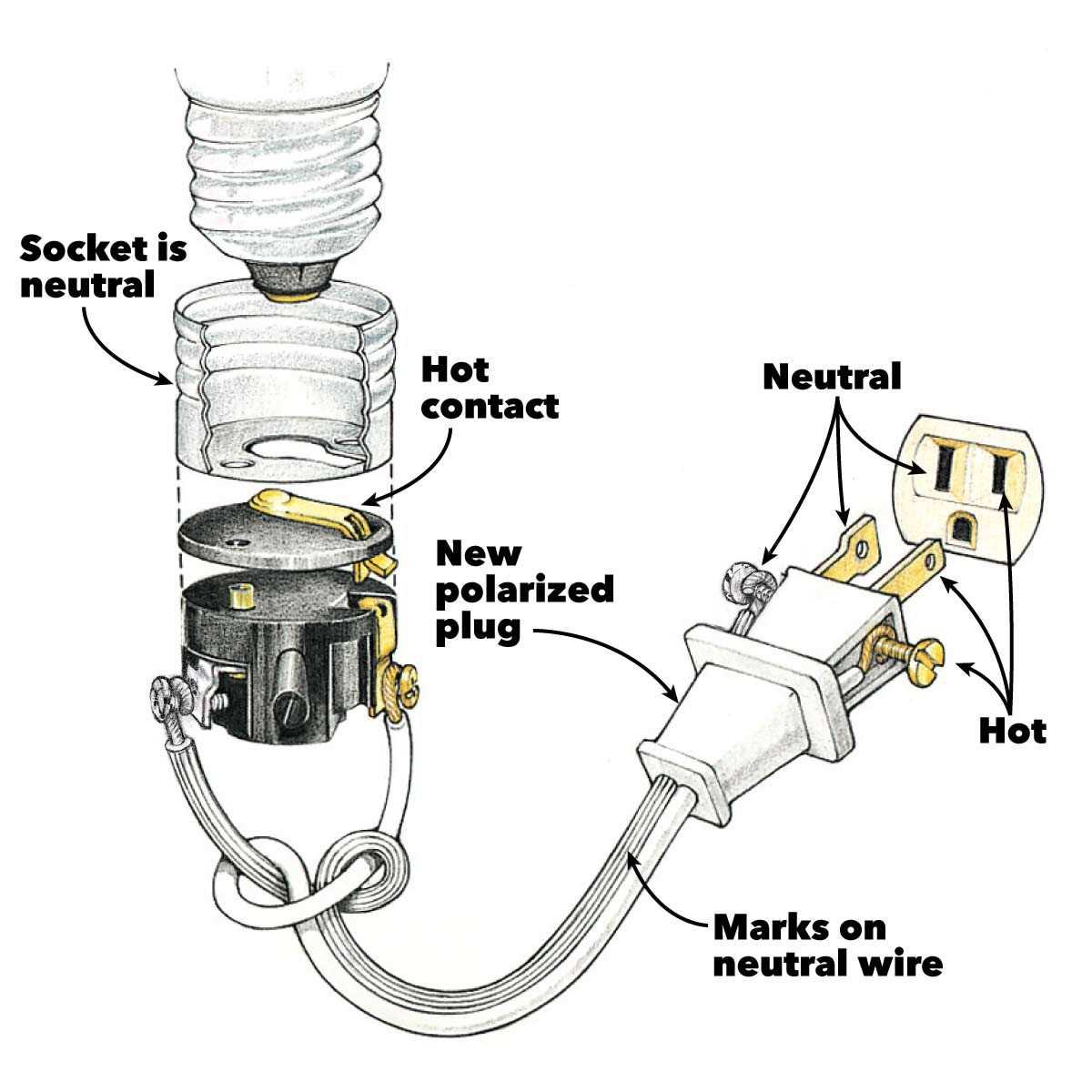
Always turn off the main breaker before handling electrical connections to prevent shocks or short circuits. Use a voltage tester to confirm no current flows in the cables before touching terminals.
Identify live, neutral, and grounding conductors by checking color codes: brown or red for live, blue or black for neutral, and green-yellow for earth. Mark each wire clearly to avoid confusion during installation.
Secure each conductor firmly in the designated terminal using a screwdriver of the correct size. Loose contacts can cause overheating, arcing, or device failure, so maintain tight connections without damaging insulation.
After installation, perform a continuity and polarity check with a multimeter. Verify that the current flows correctly through the live and neutral lines and that grounding provides a safe path for leakage currents.
Keep cables organized and insulated inside the enclosure to prevent accidental contact or short circuits. Avoid bending wires sharply, and use cable clamps to maintain stable positioning over time.
Step-by-Step Guide to Understanding and Connecting Electrical Terminals Safely
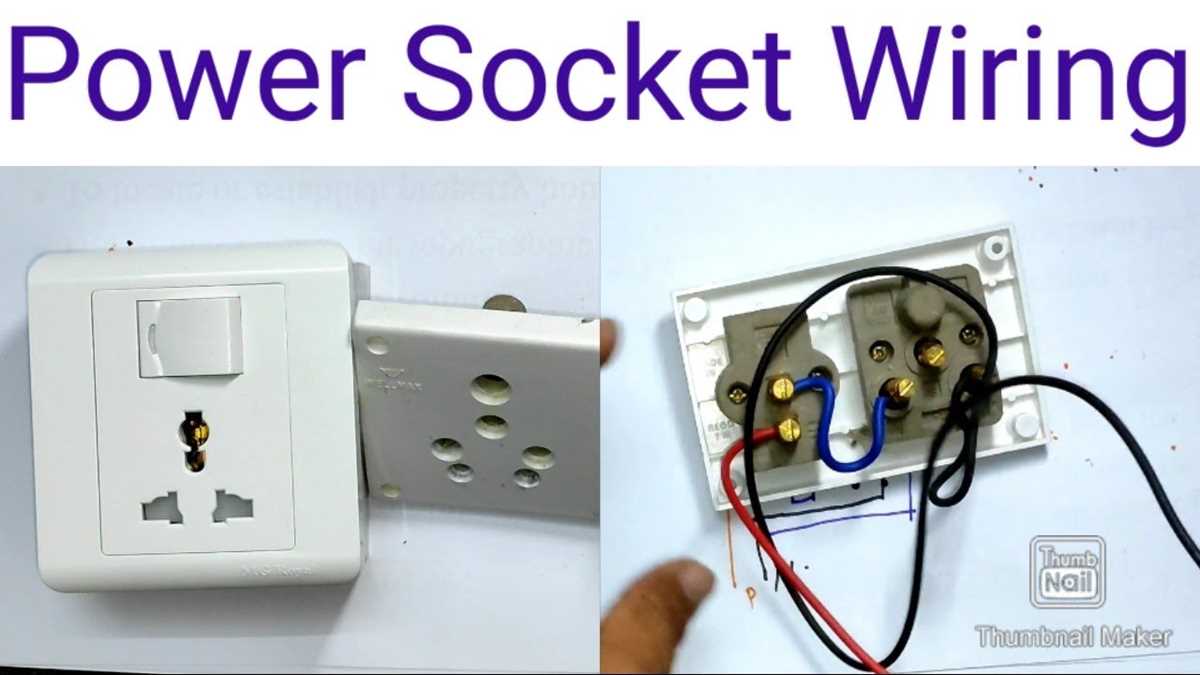
Turn off the main power supply and verify with a voltage tester that no current flows in the lines before starting any connection work. This prevents shocks and accidental short circuits.
Identify each conductor clearly by using color codes: brown or red for live, blue or black for neutral, and green-yellow for the ground line. Label each wire with tape to avoid mistakes during assembly.
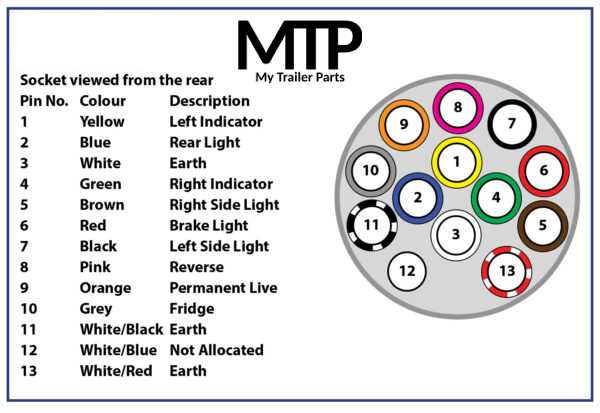
Strip insulation carefully without nicking the copper strands. Exposed wires should be just long enough to fit securely into the terminal slots. Excess length can cause contacts to touch or create sparks.
Fasten conductors firmly using the correct screwdriver. Loose contacts increase resistance, causing overheating and potential fire hazards. Ensure the metal clamps fully embrace the wire strands.
After connecting all terminals, test continuity with a multimeter to confirm that current flows correctly through live and neutral lines. Also, check that grounding is intact for safety against leaks.
Arrange all cables neatly inside the enclosure. Use clamps or ties to prevent movement, which can loosen connections over time. Avoid sharp bends or pressure points that could damage insulation.
Identifying Live Neutral and Earth Conductors in Electrical Outlets
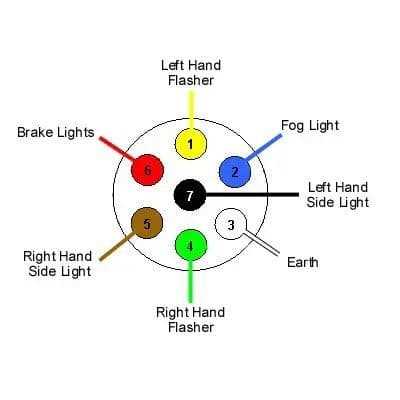
Always confirm power is off at the main breaker before handling terminals. Use a non-contact voltage detector to double-check that no current is present in any conductor.
Distinguish conductors by color and function using the following guide:
- Live line: usually brown or red, carries current to devices.
- Neutral line: typically blue or black, completes the circuit back to the supply.
- Ground or earth: green with a yellow stripe, provides a safety path for leakage currents.
Check each wire with a continuity tester or multimeter to ensure proper identification before connecting. Maintain separation of conductors inside the enclosure to prevent accidental contact, and secure them with terminal screws to guarantee stable connections.