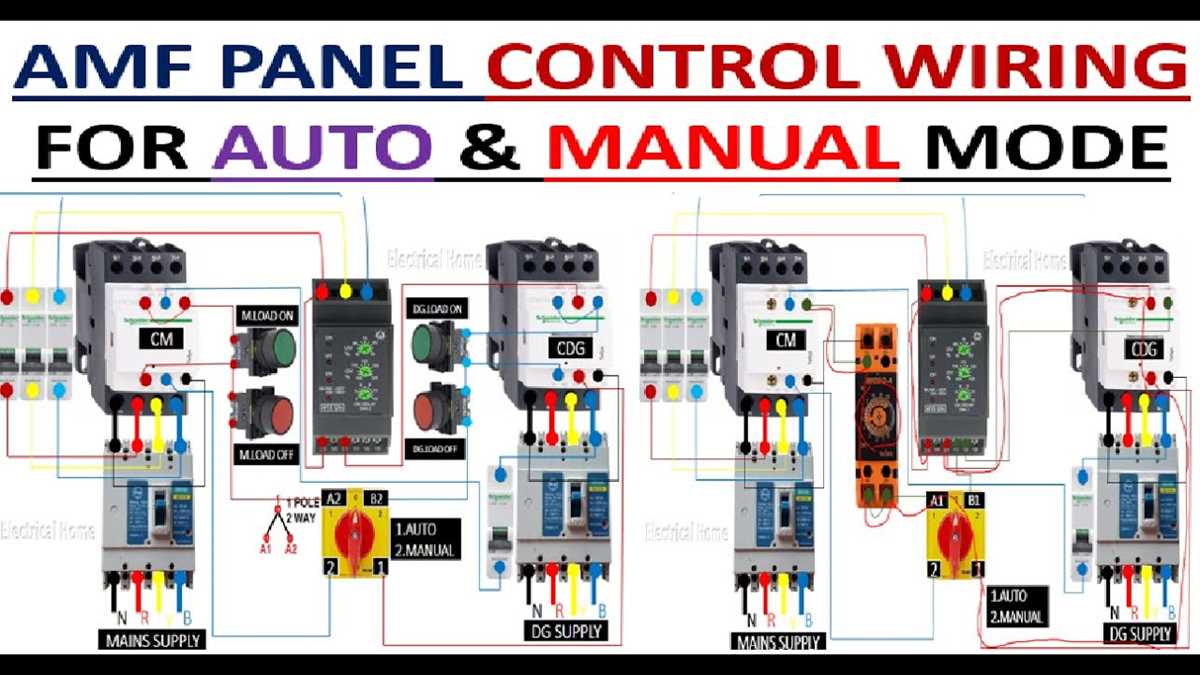
To ensure a proper electrical system, begin by confirming the correct connections between the main power source and all other components. A common mistake is improper connection of the incoming power lines, which can result in short circuits or inadequate power distribution. Make sure each lead is firmly attached to its designated terminal, and double-check all connections for security and stability.
When working with circuit breakers, always follow the correct sequence for linking them to the main bus. Misplacement of breakers or improper sizing can lead to unsafe conditions or failure to protect the system during an overload. Verify that the breaker ratings match the required amperage and voltage for each circuit.
If power interruptions or faults occur, check for any loose or damaged terminals in the connection points. In some cases, poor contact or corrosion can prevent electrical flow, affecting overall system functionality. Regular inspection of these components is key to maintaining a reliable and safe electrical setup.
Panel Wiring Diagram Guide
Start by identifying the main power supply. This is typically a two-wire setup where one wire carries the current to the rest of the system. Always verify the source voltage and make sure it matches the required specifications for all components involved. The incoming supply should be connected directly to the main busbar, which distributes power to all circuits.
Next, connect the ground wire to the designated ground terminal. This step ensures that the system is safely grounded, preventing electric shock and equipment damage. Double-check that the grounding point is secure and in direct contact with the main frame or earth for maximum safety.
For each circuit, you’ll need to ensure that the appropriate breaker or fuse is used. These safety devices protect the electrical system from overloads and short circuits. Match the amperage rating of the breaker to the circuit’s expected load to avoid unnecessary tripping or inadequate protection.
When connecting outlets or switches, carefully follow the color codes of the wires. Typically, the black or red wire is live, the white is neutral, and the green or bare wire is ground. Always follow the standard wiring scheme to maintain consistency and prevent confusion during maintenance or troubleshooting.
If your setup includes multiple circuits, use a busbar to consolidate connections. This simplifies the setup and allows for a cleaner, more organized installation. Ensure each circuit is clearly labeled to prevent future confusion when performing maintenance or making adjustments.
Check for any loose connections before powering up the system. Loose or poorly connected wires can lead to power losses, sparks, or even fires. Inspect each terminal for proper tightness and clean the connection points to remove any corrosion or dirt that could interfere with conductivity.
Once all connections are secure, use a multimeter to verify the continuity and proper voltage across the system. This step ensures that there are no interruptions in the circuit, and that each component is receiving the correct power supply.
Finally, always adhere to local electrical codes and regulations. These guidelines are designed to ensure the safety and efficiency of the entire setup. Any deviation from the recommended standards can result in dangerous conditions, as well as potential legal issues. Always consult an expert if you’re unsure about any aspect of the installation process.
How to Correctly Wire a Main Electrical Panel
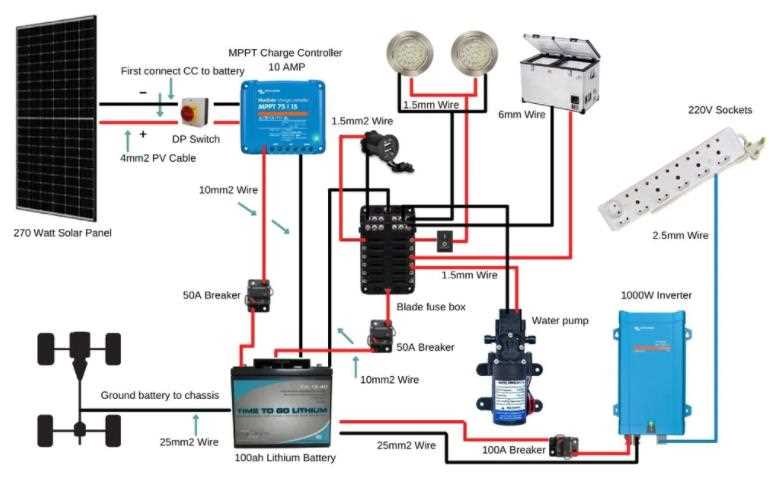
Start by ensuring that the main power supply is disconnected before making any connections. This will prevent any accidental shocks or shorts while working with the electrical system. Always use a lockout/tagout procedure to guarantee that the power is off throughout the process.
Once the power is off, carefully install the busbars into the designated slots of the electrical enclosure. These bars will distribute power to each circuit. Ensure the busbars are properly aligned with the connection points, and securely tighten all mounting bolts to avoid movement during future use.
Connect the incoming power lines to the main breaker, making sure that the neutral and ground wires are properly separated. The neutral wire should connect to the neutral bus, while the ground wire must be securely attached to the grounding bar. Proper grounding is critical to avoid any potential electric shock or fire hazard.
Next, install the circuit breakers into their allocated spaces. Each breaker should be matched to the appropriate amperage rating based on the circuit’s expected load. Always double-check that the breaker is firmly seated in its position and that it makes good contact with the busbar for reliable operation.
- Ensure that each circuit has its own breaker with a corresponding wire size.
- Make sure the wire insulation is stripped only enough to make secure connections at the terminals.
Connect the individual wires from each circuit to their respective breakers. Typically, black or red wires are used for hot connections, while white wires are for neutral. Tighten the terminals carefully to avoid damaging the wire or creating a loose connection that could lead to overheating or power loss.
Once all the circuits are connected, check each connection with a multimeter to verify that the voltage readings match the required specifications. This step will help identify any faulty or incorrectly wired connections before the system is turned back on.
Finally, test the system by turning the main breaker back on. Monitor each circuit for any signs of overheating or unusual behavior. If all circuits are operating as expected, the installation is complete. Be sure to label each circuit in the panel for easier identification and troubleshooting in the future.