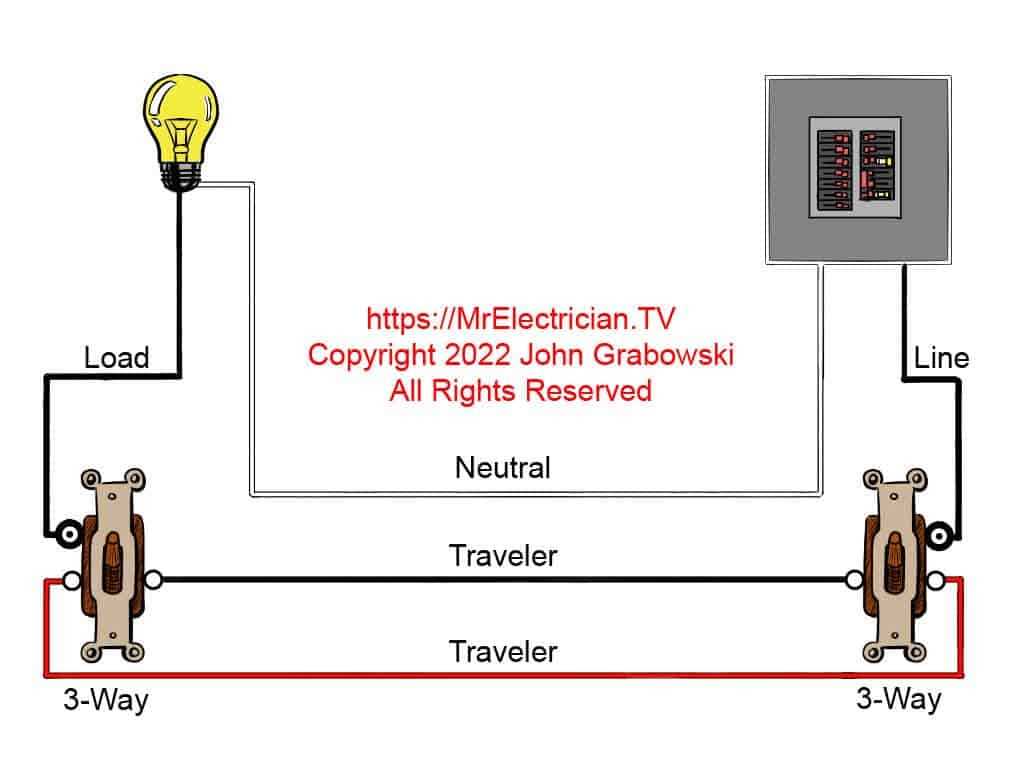
Use labeled terminals to avoid cross connections when linking two control points for a single fixture. Identify the hot feed, load lead, and traveler conductors before attaching any fasteners to prevent short circuits or flickering issues.
Confirm conductor colors match intended pathways. Typically, black carries power, red functions as a traveler between controls, and white serves as the neutral return. Misplacing any of these can cause one location to fail in controlling the fixture.
Secure all connections with proper torque and insulation. Loose screws or exposed copper increase resistance, creating heat buildup or sparking. Use wire nuts rated for the conductor gauge and ensure the grounding wire is firmly attached to metal boxes where applicable.
Dual Control Fixture Connection Guide
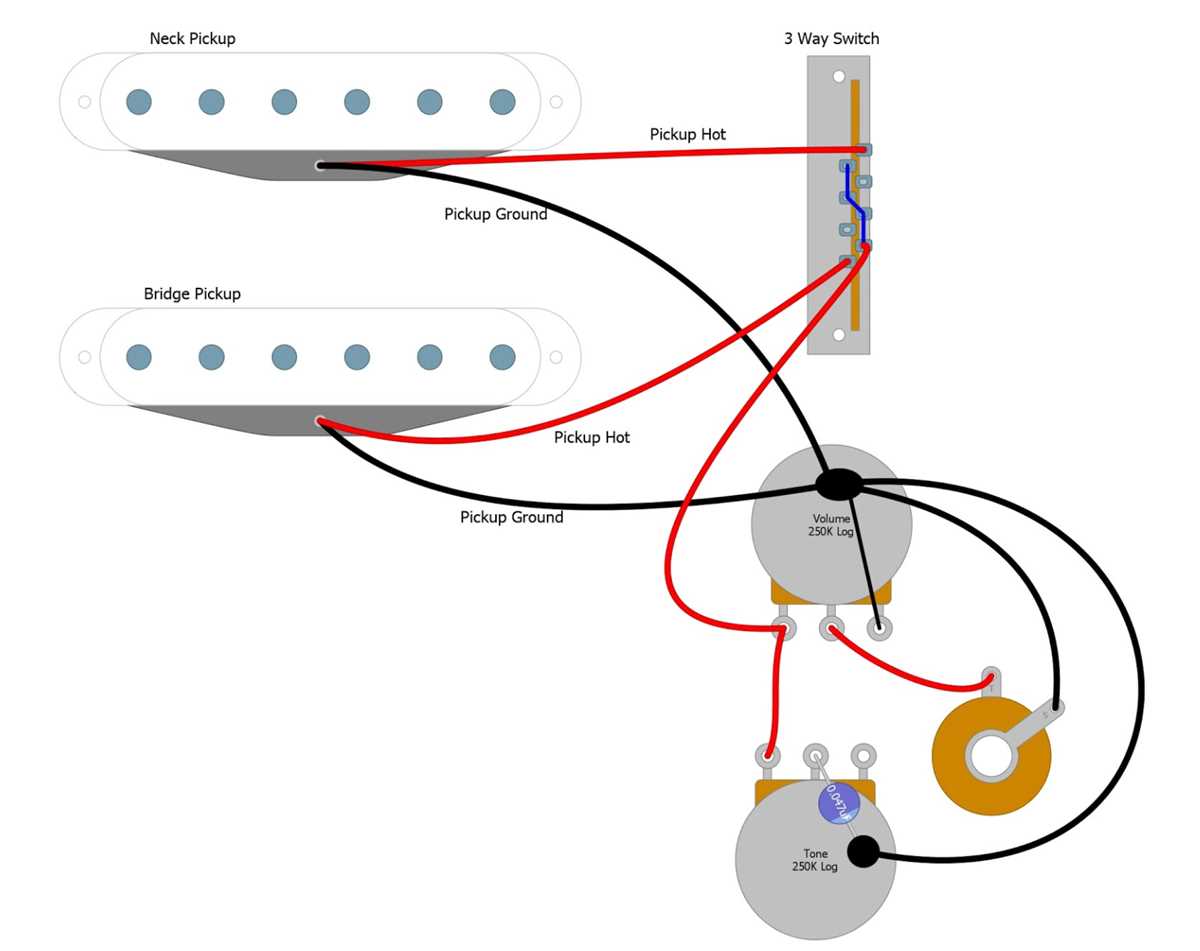
Identify each terminal before attaching conductors. Use a voltage tester to determine the line and load points. Travelers should be distinguished by red or black insulation to prevent misrouting.
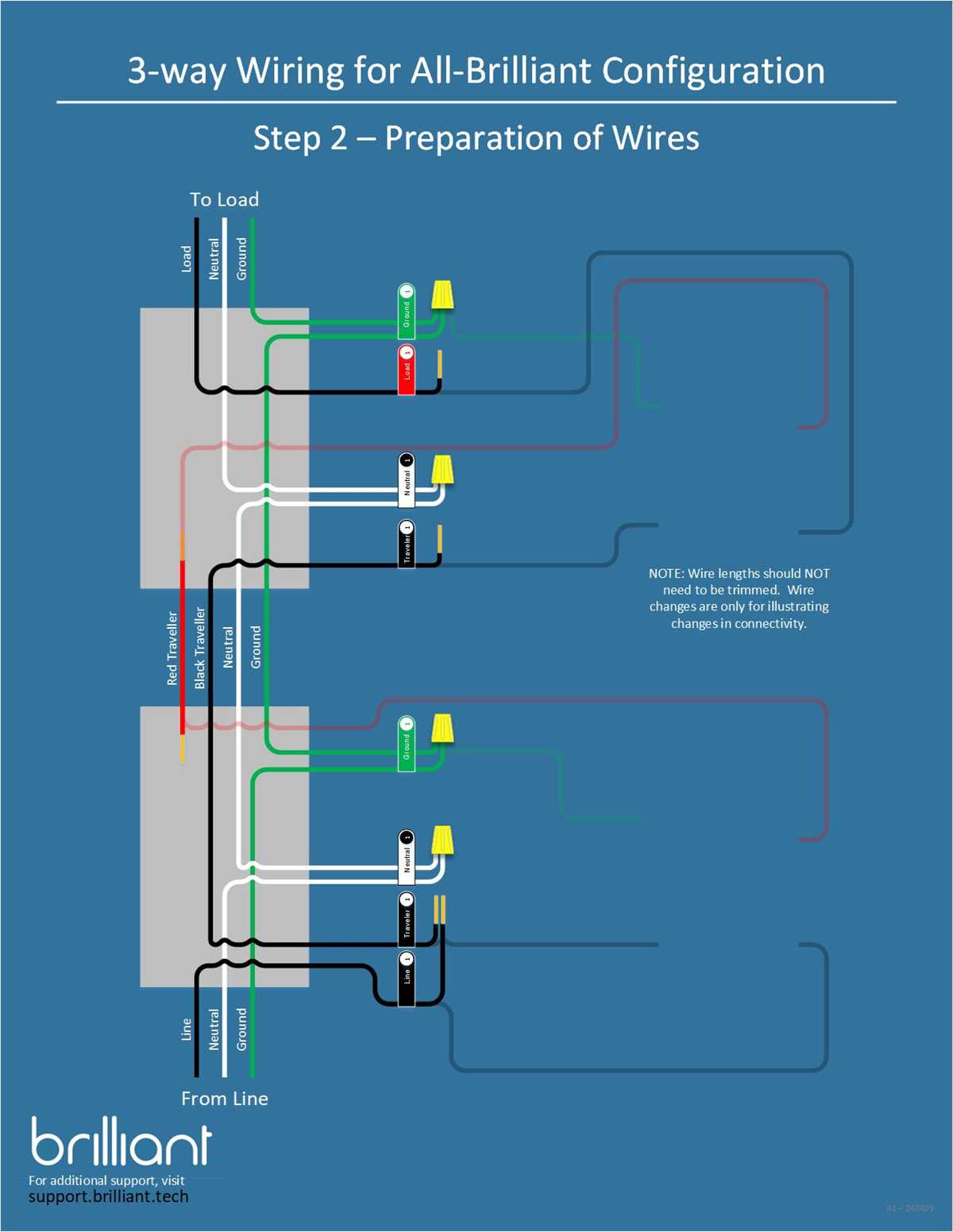
Connect the power feed to the first control point. Ensure the incoming live wire attaches to the common terminal while neutral is routed directly to the fixture. Avoid twisting together multiple live conductors in a single connector.
Link the intermediate travelers between both control units. Use insulated conductors of matching gauge and color. Maintain consistent labeling to reduce errors and ensure each location can operate the load independently.
Attach the load lead to the second control unit. Confirm that the load wire is connected to the designated common terminal. Check all screws for secure fastening and verify insulation integrity to prevent arcing.
Test the system before closing boxes. Flip each control handle to confirm the fixture responds from both points. Correct any inconsistencies immediately and label terminals for future maintenance.
Understanding Terminal Functions and Traveler Wire Placement
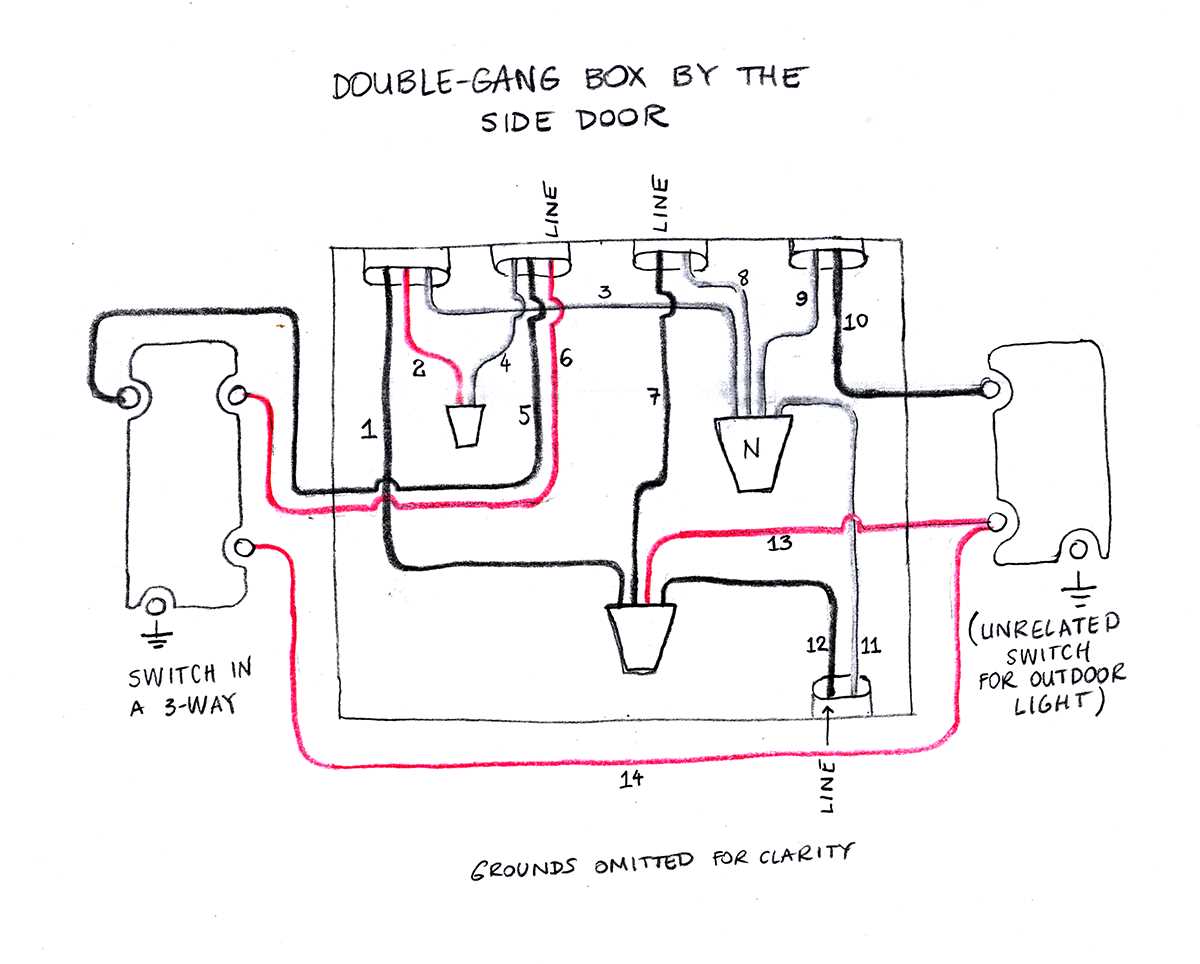
Identify the common terminal first before connecting any conductors. The common point carries either the incoming power or the load depending on the location. Travelers should attach only to the brass or designated traveler screws, maintaining consistent color coding between both control units to avoid misrouting.
Maintain proper separation between travelers and neutral conductors. Red and black insulated wires typically serve as travelers while white remains neutral. Secure each connection with a screw or push-in slot and ensure no bare copper touches other terminals. Test continuity with a multimeter to confirm that flipping either handle correctly energizes the load without creating a short.