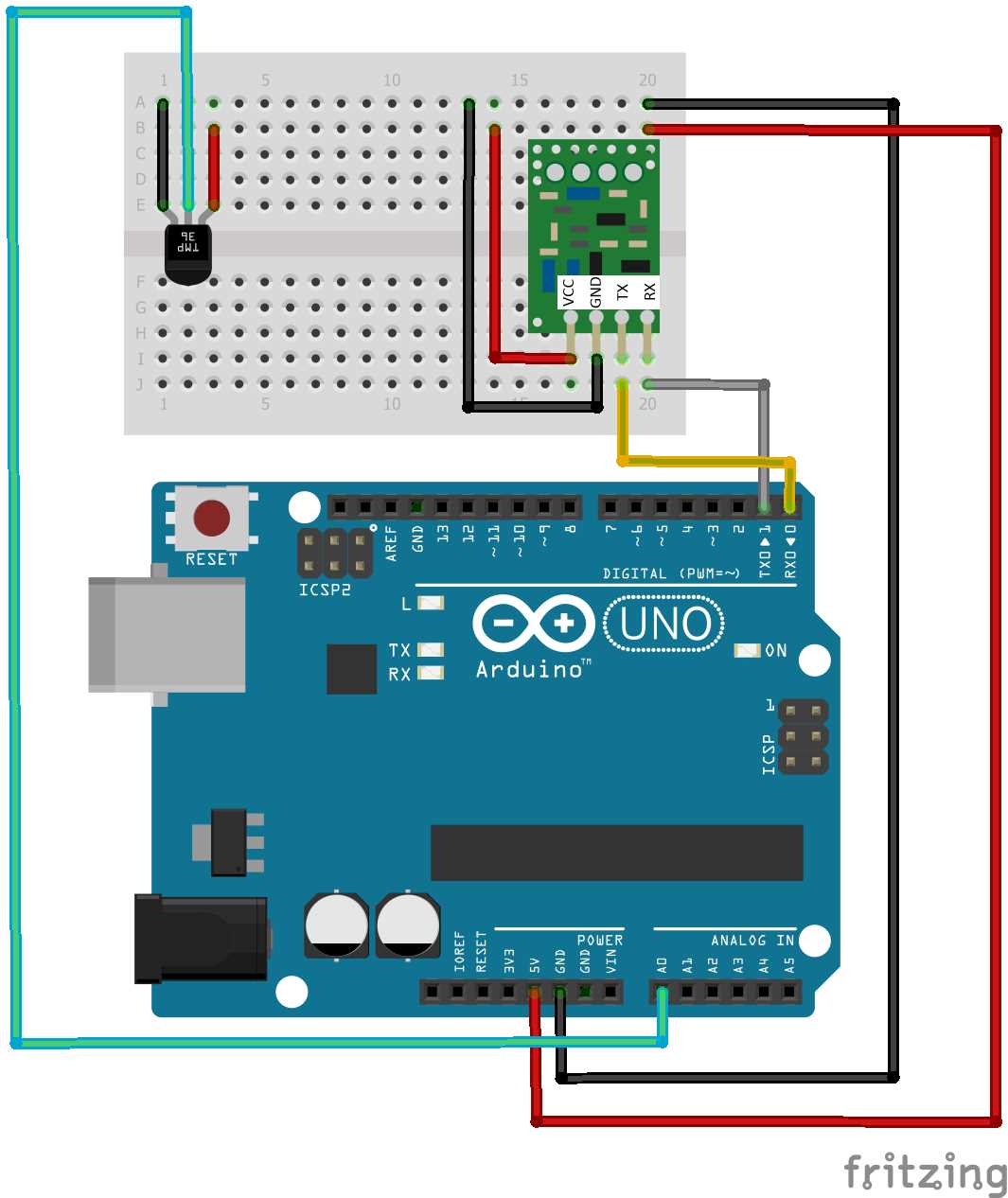
Use standardized electrical symbols and structured layouts when representing an electronic system. A clear electrical plan shows how components connect and how current moves through resistors, capacitors, switches, integrated chips, and power sources. Engineers rely on this graphical representation before assembling hardware or testing a prototype.
Arrange power sources at the top or left side of the page and place loads such as lamps, motors, or logic chips along the flow of current. Straight horizontal and vertical conductors improve readability. Angled lines create confusion, especially where multiple paths intersect.
Recognized symbol systems such as IEC and ANSI define how components appear in electrical plans. For example, a resistor may appear as a zigzag line or rectangular block depending on the chosen standard, while a capacitor appears as two parallel plates. Selecting one symbol set and using it consistently prevents misinterpretation.
Label every component with reference identifiers. Common examples include R1 for resistors, C2 for capacitors, D1 for diodes, and U1 for integrated chips. Place numeric values close to each symbol, such as 10 kΩ, 100 nF, or 5 V. These labels allow a technician to match the graphical plan with a physical parts list during assembly.
Trace each electrical path from the power source through loads and back to ground before using the design. This simple verification step reveals missing links, reversed polarity in diodes or electrolytic capacitors, and unintended short connections between conductors.
Circuit Diagram or Schematic Symbols Layout Rules and Reading Guide
Follow standard symbol placement and straight conductor routing while preparing an electrical plan. Place the power source at the top or left side, route current paths through loads such as resistors, coils, or integrated chips, and return them to ground at the bottom or right side. Straight horizontal and vertical lines improve clarity and prevent confusion where several paths intersect.
Common Symbol Rules

Use widely recognized component graphics so the electrical layout can be read by technicians or engineers without extra explanation.
- Resistor shown as zigzag line or rectangular block depending on chosen standard
- Capacitor displayed as two parallel plates with polarity mark for electrolytic type
- Diode represented by a triangle pointing to a vertical line
- Ground indicated by three stacked horizontal bars
- Battery displayed with long and short parallel plates
Reading Electrical Paths
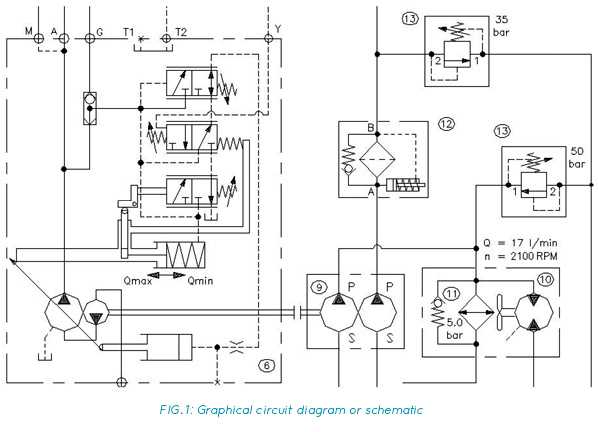
Trace power flow step by step while examining the electrical plan.
- Locate the supply source such as a battery or DC supply
- Follow the conductor toward switches or control components
- Continue through loads such as lamps, motors, or logic chips
- Confirm that each path returns to a ground reference
This structured reading method reveals missing nodes, reversed polarity in diodes or electrolytic capacitors, and unintended short links between conductors.
Standard Electrical Symbols Used in Circuit Diagrams and Schematics
Select symbols defined by IEC 60617 or ANSI Y32.2 before preparing any electrical plan. These standards assign specific graphics to components so engineers, technicians, and students read the same representation without confusion. A resistor appears as a zigzag line in ANSI notation or a rectangle in IEC style, capacitors use two parallel plates with a polarity mark for electrolytic types, and inductors appear as a sequence of curved loops. Diodes use a triangle pointing toward a vertical bar, while transistors include labeled terminals such as base, collector, and emitter. Ground references normally appear as three descending horizontal bars.
Consistent symbol usage across the entire electrical layout prevents interpretation errors. Power sources appear as long and short parallel plates for batteries or a circle with polarity marks for DC supplies. Switches show a movable contact line with an open or closed position. Integrated chips use rectangular blocks with numbered pins arranged along the sides. Each component should also include a reference label such as R1, C3, D2, or U1 placed near the graphic element so the representation matches the parts list during assembly or troubleshooting.