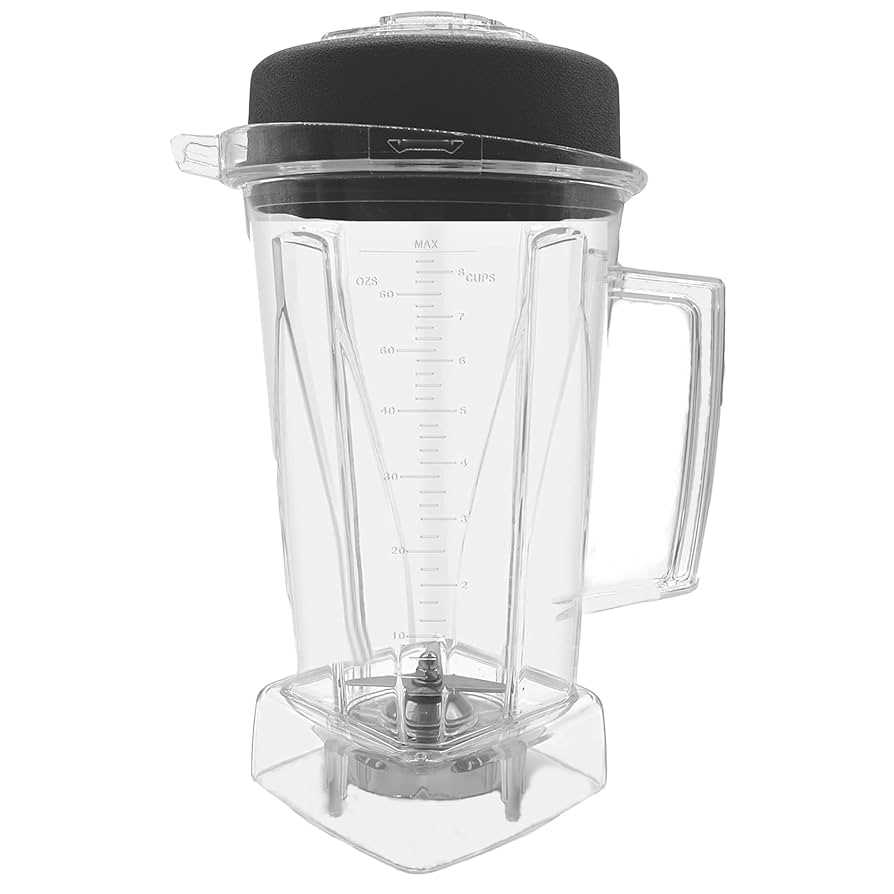
If your blender has stopped working or you’re considering a repair, it’s critical to have a clear picture of the internal structure. Knowing how each component fits together can simplify the process of diagnosing issues or replacing faulty elements.
Begin with identifying the key sections: the motor base, blade assembly, and the jar. The motor base houses the powerful engine that drives the entire unit. If the motor is not operating properly, you might need to check the wiring or the switch mechanism. The blade assembly is typically composed of several sharp blades designed to chop and blend, and if the blades are dull or misaligned, the performance will significantly decrease.
Next, inspect the jar or container, which holds the ingredients. Over time, the jar might crack, and the seals that ensure no leakage can wear out. The lid of the jar, often equipped with safety features, should always be properly aligned to avoid issues during operation.
Understanding each part’s function and how they interconnect helps prevent errors during assembly and ensures you select the right replacement pieces. When examining the mechanism, take note of any unusual noises or friction, as these could point to underlying issues that require immediate attention.
Key Components and Maintenance Tips
The motor housing holds the motor and serves as the heart of the appliance. Ensure the power switch and speed control knobs are intact, as these can wear out with frequent use. If they become unresponsive, replacing them is necessary.
Check the blade assembly regularly for damage. Dull or misaligned blades reduce blending efficiency and might even cause overheating. If you notice unusual noises or reduced performance, consider swapping out the blade unit for a new one.
Inspect the container for cracks or leaks. Even minor damage can compromise performance and safety. Make sure the lid fits securely to avoid spills while in use.
The sealing ring or gasket keeps the contents of the container secure. Over time, it may degrade or lose its elasticity, leading to leaks. A worn gasket should be replaced immediately to maintain a tight seal.
The coupling connects the motor to the blades. If this part becomes loose or damaged, the blender will fail to blend properly. Check for wear and replace the coupling if needed.
Regularly check the rubber feet on the motor base. They provide stability during use and prevent slipping. If they wear out, replace them to avoid vibrations or movement during operation.
Inspect the power cord and plug for any signs of wear or fraying. A damaged cord poses a risk of electrical failure and should be replaced as soon as possible to ensure safe operation.
Identifying Key Components of Blenders
Inspect the motor base regularly for overheating signs or unusual noises. If the motor is struggling, it may require cleaning or professional attention. Make sure the motor is securely mounted to avoid vibrations during use.
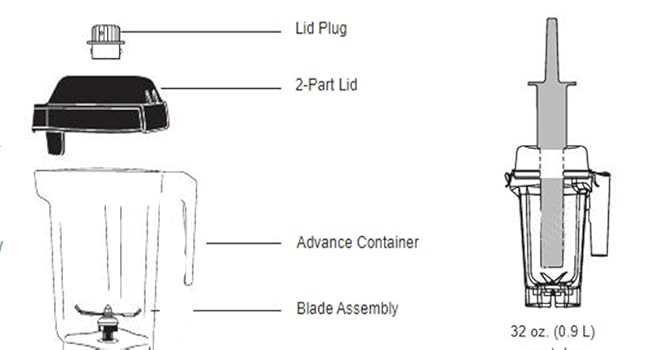
Check the blending container for any cracks or damage. Small cracks can lead to leaks and reduce the blending efficiency. Ensure that the container is tightly secured to the base to prevent accidents during operation.
Examine the blade assembly for sharpness and condition. Dull or damaged blades will not blend effectively, leading to longer blending times. If the blades are worn or chipped, replacement is necessary for optimal performance.
Test the lid for proper sealing. A damaged or improperly sealed lid can cause spills, making blending inefficient and messy. Replace the lid if it shows signs of wear or doesn’t lock into place correctly.
Ensure the control panel is responsive. Non-working buttons or dials can interfere with proper function. Clean the control area regularly to prevent buildup of residues that may cause electrical issues.
Inspect the tamper for any cracks or breaks. If the tamper no longer fits or is damaged, it may not effectively push ingredients toward the blades. Replace it to maintain proper operation.
Frequent inspection and maintenance of these components ensures a longer lifespan and reliable performance for your appliance. Regular upkeep will save you from costly repairs and inefficient blending.
How to Replace Worn-Out Vitamix Components
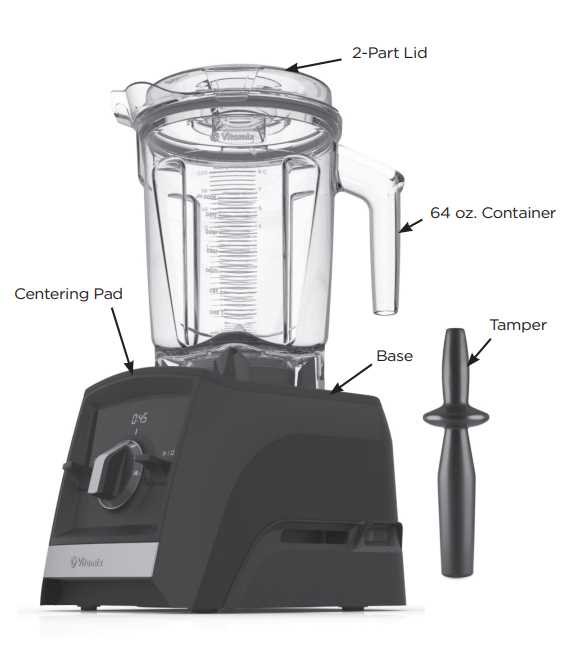
Start by identifying the faulty part. If the blender is leaking, the seal may need replacement. A dull blade can result in poor blending performance, requiring a new cutting assembly. If the motor is overheating or making strange noises, the motor coupling could be worn out.
Once you’ve identified the worn-out item, gather the necessary tools. You will typically need a screwdriver, pliers, and a replacement piece. Always ensure the device is unplugged before beginning the repair process.
Follow these steps:
- Remove the container from the base and detach the lid.
- Use a screwdriver to remove screws that secure the cover plate or motor housing.
- If you’re replacing the motor coupling, carefully pull it off the motor shaft. If it’s stuck, use pliers to gently loosen it.
- For damaged blades, carefully remove the blade assembly from the container base, ensuring no damage to the gasket or housing.
- Install the new component, making sure it aligns properly. Tighten screws and reassemble the unit.
- Test the blender with a small batch to ensure the new part is functioning correctly.
Use only authorized replacement components to avoid compatibility issues. If unsure, consult the manufacturer’s guide or seek professional repair services.
Understanding Motor and Blade Assembly Layout
Focus on the alignment and construction of the motor unit and blade system for optimal functionality. The motor housing connects directly to the base, securely holding the power components. This assembly typically features a robust, heat-resistant casing, designed to withstand extended use. Look for the motor shaft, which transmits rotational force to the blades, ensuring smooth blending performance.
The blade mechanism consists of multi-tiered, sharp blades mounted onto a drive socket that interacts with the motor’s shaft. The blades are usually arranged in a way that enhances vortex creation, which aids in more uniform blending. Pay attention to the blade angle; it plays a role in both the efficiency and consistency of the blending process.
Inspect the blade retaining system for secure attachment. Most setups include a metal coupling that connects the motor shaft to the blades. This connection is crucial for maintaining blade stability during high-speed operation. The coupling design often includes a protective ring to prevent wear or damage to the motor components.
The motor’s cooling system, which works in conjunction with the motor’s internal components, plays a significant role in maintaining performance during heavy use. Make sure to check the ventilation slots, as they ensure proper air circulation to prevent overheating.
When assembling or disassembling, ensure that each component fits together precisely. Misalignment between the motor shaft and blade assembly can cause inefficient operation or even damage to the motor. Replacing worn-out parts, such as the coupling, can prevent unnecessary strain on the motor system and extend the lifespan of the unit.