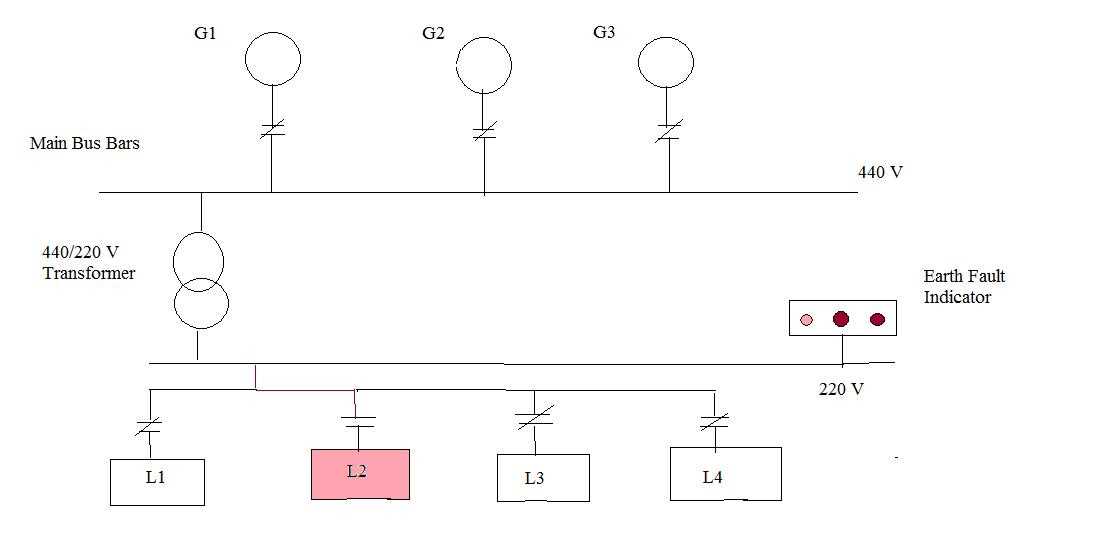
Install the sensor near the main distribution line to quickly identify unbalanced current flow. Use a 10kΩ resistor and 12V relay to ensure the relay responds to small leakage currents without false trips.
Connect a visual alert unit directly to the relay output so that any deviation from normal current triggers immediate notification. Choose LED or small buzzer modules rated for 12V DC for consistent operation.
Use shielded wiring for all signal paths to reduce interference from nearby power lines. Maintain at least 5 cm separation from high-voltage conductors to prevent spurious activation.
Test the assembly using a controlled leakage load of 50 mA to confirm that the detection module activates reliably. Adjust the sensitivity by changing the shunt resistor value between 5Ω and 20Ω depending on line voltage and expected leakage levels.
Protection Module Wiring Setup
Place the sensing coil around the neutral conductor to detect any unintended current path. Ensure the coil turns match the line current rating, typically 100 turns for a 5 A system.
Use a 5V relay and 220Ω resistor for the triggering mechanism. The resistor limits the current to the relay coil, preventing overheating during prolonged activation.
Integrate a visual alert such as a red LED across the relay contacts. Choose LEDs rated for 20 mA to maintain long-term visibility without reducing coil performance.
For reliable operation, mount all components on a non-conductive base and maintain spacing of at least 2 cm between high-current paths. This reduces false activations caused by electromagnetic interference.
Test the assembly with simulated leakage using a variable resistor to inject 30–100 mA. Observe the relay response and adjust the shunt resistor to calibrate the sensitivity precisely.
- Use twisted pair wires for signal paths to minimize noise.
- Secure all connections with soldering or proper crimp terminals.
- Verify polarity of the LED to ensure immediate visual alert.
Regular inspection is recommended every 6 months. Check coil integrity, relay activation, and alert functionality to maintain consistent detection capability in operational conditions.
Step by Step Wiring of a Leakage Detection Module
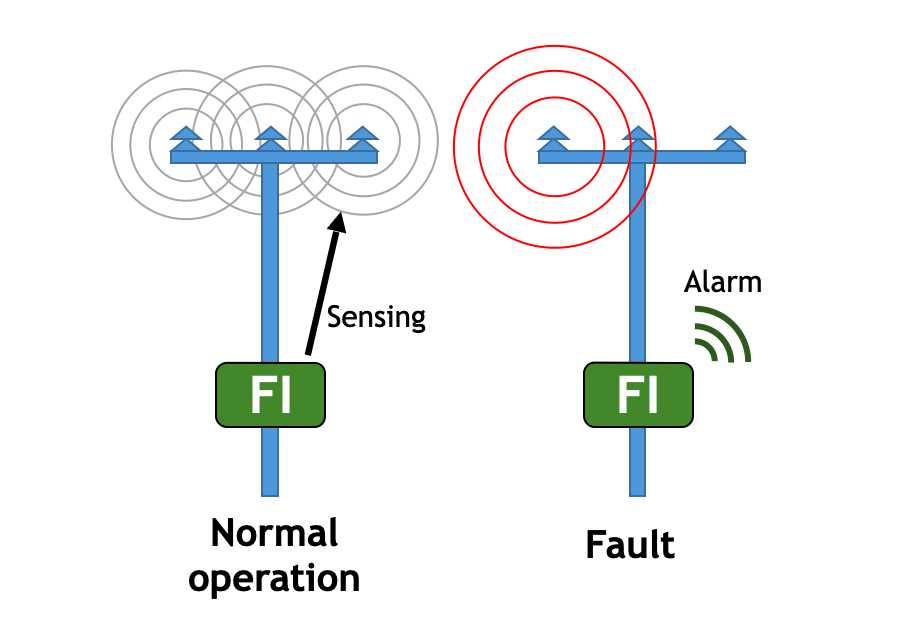
Begin by securing the current transformer around the neutral line. Use insulated tape to hold it in place and ensure at least 50 tight turns for a 5 A load line to maintain sensitivity.
Connect the secondary leads of the transformer to a 12V relay coil through a 100Ω resistor. The resistor limits inrush current and protects the relay from premature wear.
Attach a visual alert device directly to the relay contacts. Red LEDs rated at 20 mA provide clear notification without overloading the relay output.
Use shielded wiring for all signal connections to prevent interference from nearby AC lines. Maintain at least 3 cm separation from high-voltage conductors to reduce false triggering.
Install a small fuse, 250 mA, on the supply line feeding the relay. This prevents damage if the relay coil shorts during testing or prolonged activation.
Test the module using a controlled leakage current by inserting a variable resistor between phase and ground. Adjust the resistor value until the LED activates at approximately 30 mA leakage.
- Twist all wires to minimize electromagnetic pickup.
- Use crimp connectors or solder joints to maintain consistent contact.
- Confirm correct polarity of the LED before final assembly.
- Label all connections for future maintenance or replacement.
Perform a final verification by simulating multiple leakage points along the line. Check that the relay and alert device respond within 0.5 seconds to each scenario.