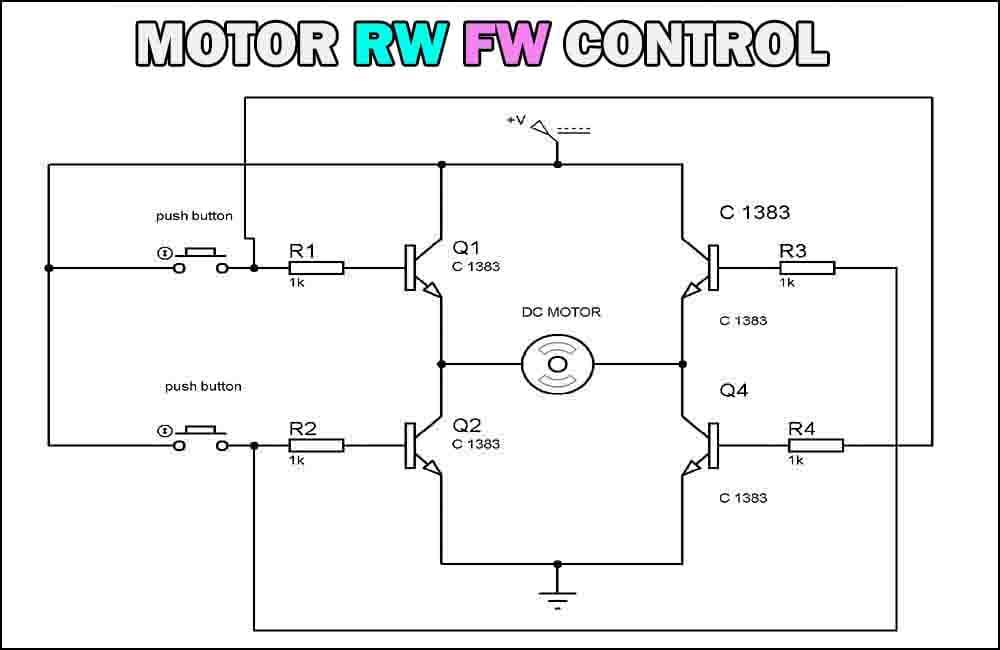
Connect the power supply to the contactors before linking the coils to ensure correct switching of rotation. Use thermal overload relays rated for the load to prevent overheating and avoid damage to the spinning unit.
Label each conductor clearly and maintain consistent color coding between the main starter and auxiliary relays to simplify troubleshooting and reduce the risk of accidental short circuits during assembly or maintenance.
Test the switching sequence with no load attached before applying full operational power. Observe the sequence of activation to confirm that the drive changes direction safely and stops at each limit without triggering protective devices.
Use properly rated fuses and circuit breakers on all supply lines. Ensure that push buttons or selector switches are rated for the current drawn by the rotating equipment to maintain safe and reliable operation.
Bi-Directional Shaft Control Layout
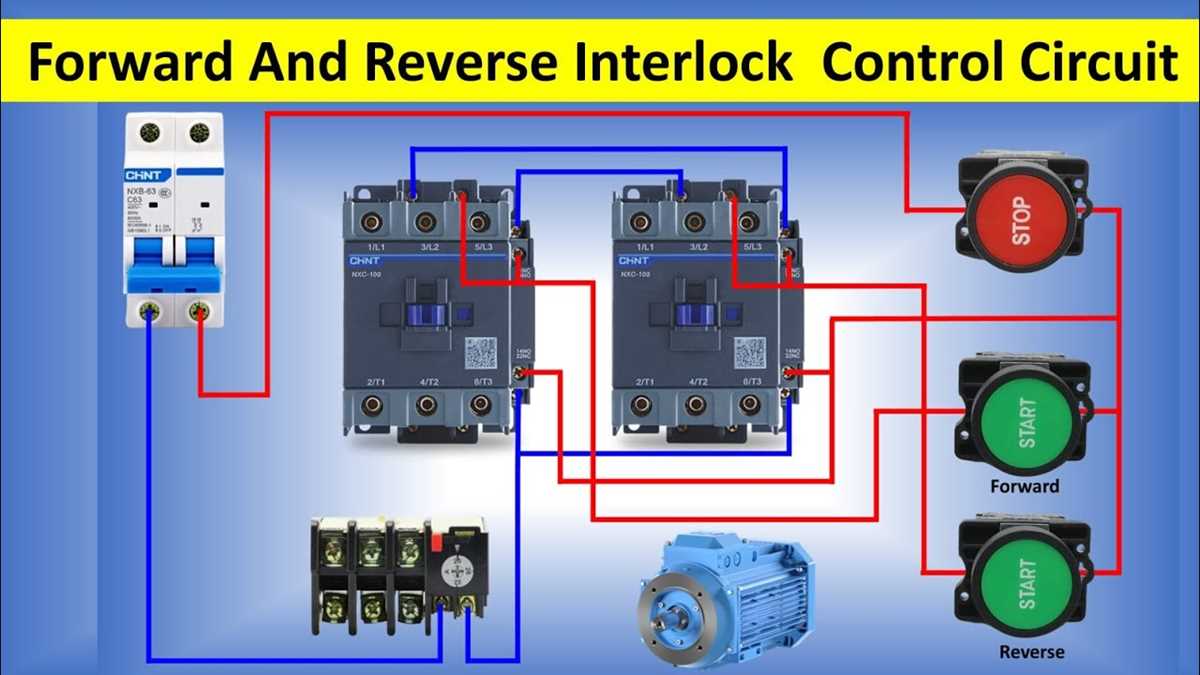
Install dual contactors with clearly separated coils to prevent simultaneous activation. This avoids short circuits and mechanical stress on the rotating assembly.
Use color-coded wires and numbered terminals for each relay connection to simplify future modifications or fault tracing, reducing downtime during repairs.
Include thermal overload devices rated slightly above the operational current to protect the system from overheating while allowing normal startup surges without tripping.
Check the activation sequence with a low-voltage test to confirm the shaft changes direction in the correct order and that limit switches stop motion reliably at both endpoints.
Integrate push-button or selector switches rated for full load to control the rotating unit safely. Ensure contacts close fully before powering the supply to prevent arcing.
Maintain proper spacing between relays and power lines to reduce electromagnetic interference and prevent accidental shorting between conductors during maintenance.
Document each connection with a simple layout chart showing relay numbers, supply points, and control switches. This visual reference speeds up troubleshooting and ensures consistent reassembly after service.
Step by Step Wiring for Bi-Directional Shaft Control
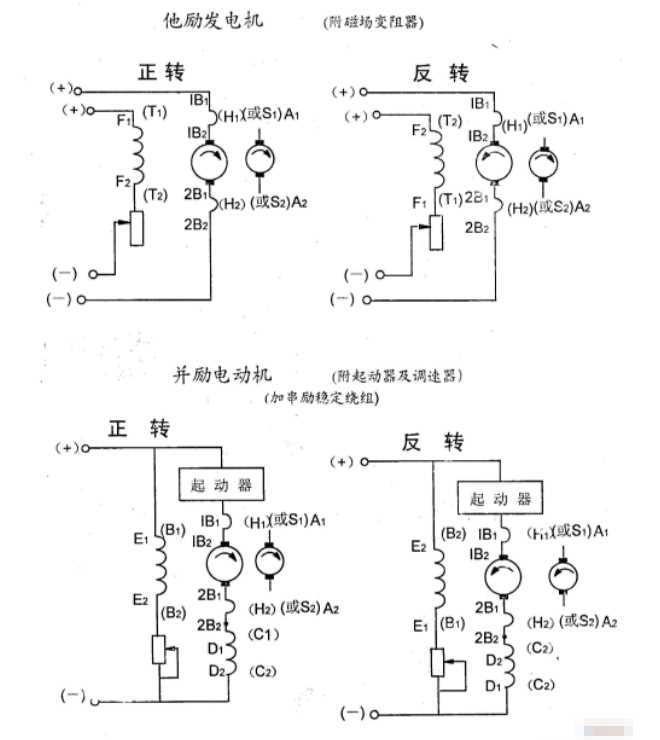
Begin by connecting the main supply to dual relays with clear separation between activation coils. Ensure that the power lines are fused according to the load rating and that all terminals are tightened to prevent arcing.
Wire auxiliary contacts to the control push-buttons or selector switches using numbered terminals. Verify that each switch triggers only the intended relay, avoiding simultaneous engagement that could damage the rotating assembly.
Perform a low-voltage continuity check before applying full power. Confirm that the rotation sequence works as expected, and that mechanical stops or limit sensors halt motion at both ends without tripping protective devices.