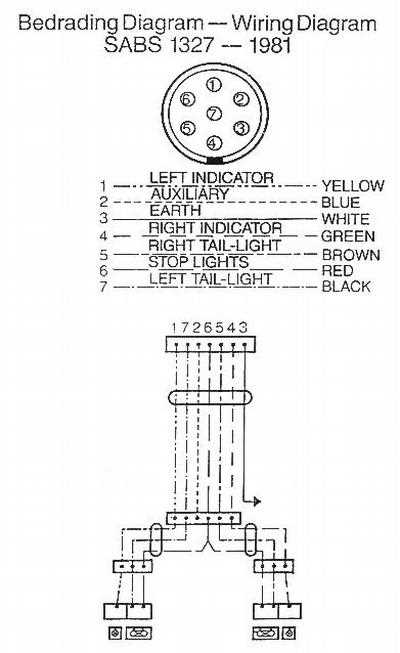
Match each wire by color and function to the corresponding terminal on the towing connector. Standard colors include green for right signal, yellow for left signal, brown for tail lights, and white for ground.
Strip insulation carefully without damaging the metal core to ensure solid contact. Use a small wire stripper and twist the strands tightly before insertion into terminals or connectors.
Secure connections with crimped or screw terminals to prevent loosening from vibration. Crimping pliers provide a firm hold, while small screws require thread-locking compound to avoid accidental disconnection.
Use a continuity tester or multimeter to verify each path before final assembly. Check that signals activate correctly and that there are no shorts between different lines.
Protect exposed wires with heat shrink tubing or electrical tape to prevent corrosion and accidental short circuits. Ensure tubing fully covers the metal and extends slightly beyond the stripped section.
Route the cable along the vehicle frame avoiding sharp edges, moving parts, and high-heat areas. Secure with plastic clips or zip ties to maintain a neat layout and reduce wear over time.
Test the system under real conditions by activating brake lights, turn signals, and reversing lights. Confirm consistent voltage at the trailer side and adjust any loose connections before use.
Connecting Vehicle and Trailer Electrical Socket
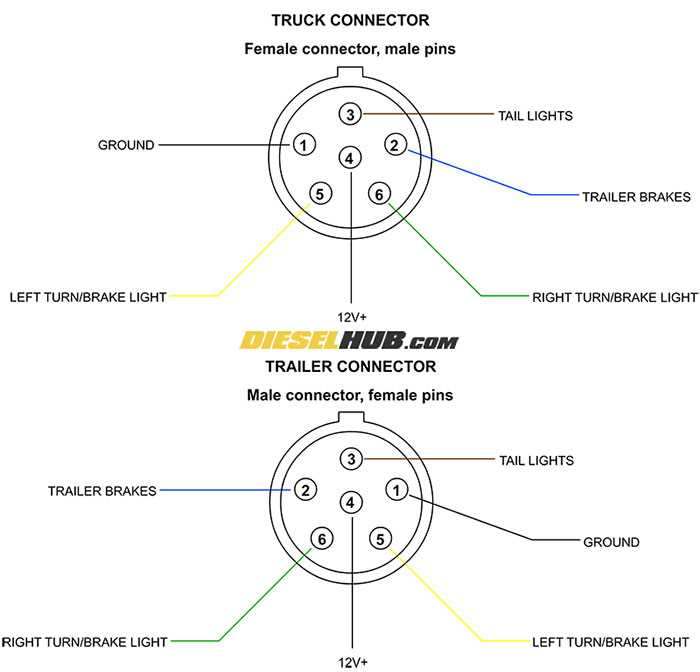
Identify each terminal by its function and match it with the corresponding cable. Common color codes include green for right indicator, yellow for left indicator, brown for running lights, and white as ground.
Strip and twist wires carefully to avoid fraying. Ensure that exposed metal fits fully into the terminal slot before securing with screws or crimp connectors to maintain a stable connection.
Crimp or tighten terminals firmly to prevent loosening due to vibration. Use crimping pliers for a secure fit and small screws with thread-locking compound to maintain contact under repeated movement.
Insulation and Protection
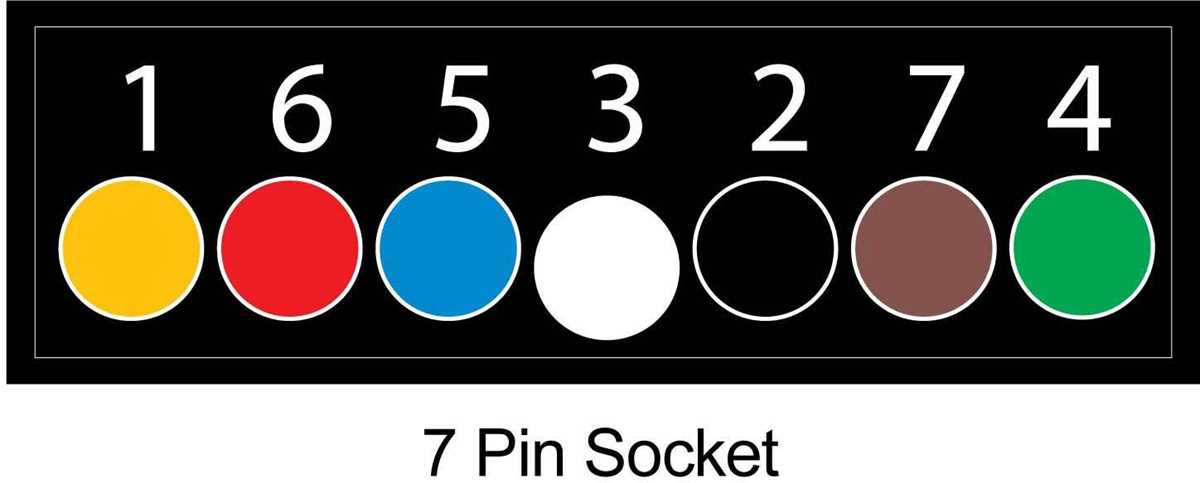
Cover exposed connections with heat shrink tubing or high-quality electrical tape. This prevents corrosion from moisture and accidental short circuits caused by contact with metal surfaces.
Route the cable along the frame avoiding sharp edges, hot components, and moving parts. Use plastic clips or zip ties to secure the line and reduce wear caused by friction or vibration during operation.
Testing and Verification
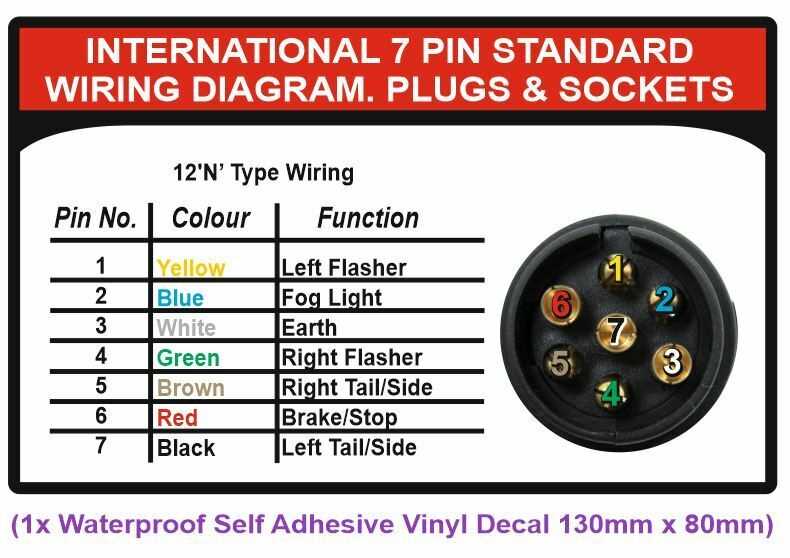
Test each line using a multimeter or continuity tester before full assembly. Check that brake lights, turn signals, and running lights activate correctly and maintain consistent voltage at the connection points under load.
Identifying Trailer Plug Pins and Their Functions
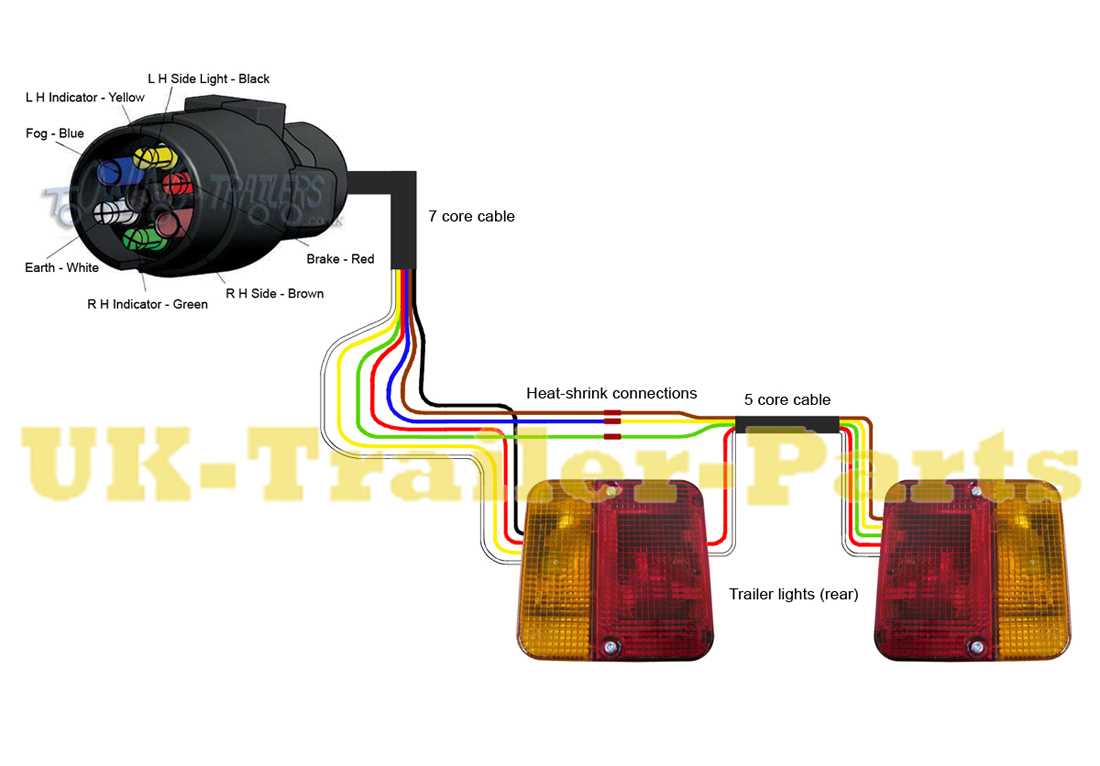
Check each pin carefully before connecting to the vehicle cable. Standard connectors have multiple terminals, each controlling a specific light or signal on the towed unit.
Use a color-coded chart to match vehicle cables with their corresponding terminals. Typical assignments include green for right turn, yellow for left turn, brown for running lights, and white for ground.
Label each wire with a small tag or tape after stripping and twisting to avoid confusion during assembly. This prevents misconnection that can lead to malfunctioning lights or short circuits.
Common Pin Functions
- Right Indicator: Carries current to the right-side flashing light, typically connected to a green wire.
- Left Indicator: Controls left-side flashing lights, usually with a yellow wire.
- Running Lights: Provides low-intensity illumination along the sides and rear, commonly using a brown wire.
- Ground: Ensures a return path for current, normally a white or bare wire, critical for stable operation.
Verify each pin with a multimeter to confirm continuity and correct voltage. Testing under load conditions prevents issues when connecting the towed unit to the vehicle.
Check auxiliary functions such as reversing lights, fog lamps, or battery feed pins if present. Ensure these are connected according to specification to avoid overloading standard circuits.
Inspect pin alignment and cleanliness before assembly. Bent or corroded terminals can cause intermittent contact and erratic operation of lights or signals on the towed unit.