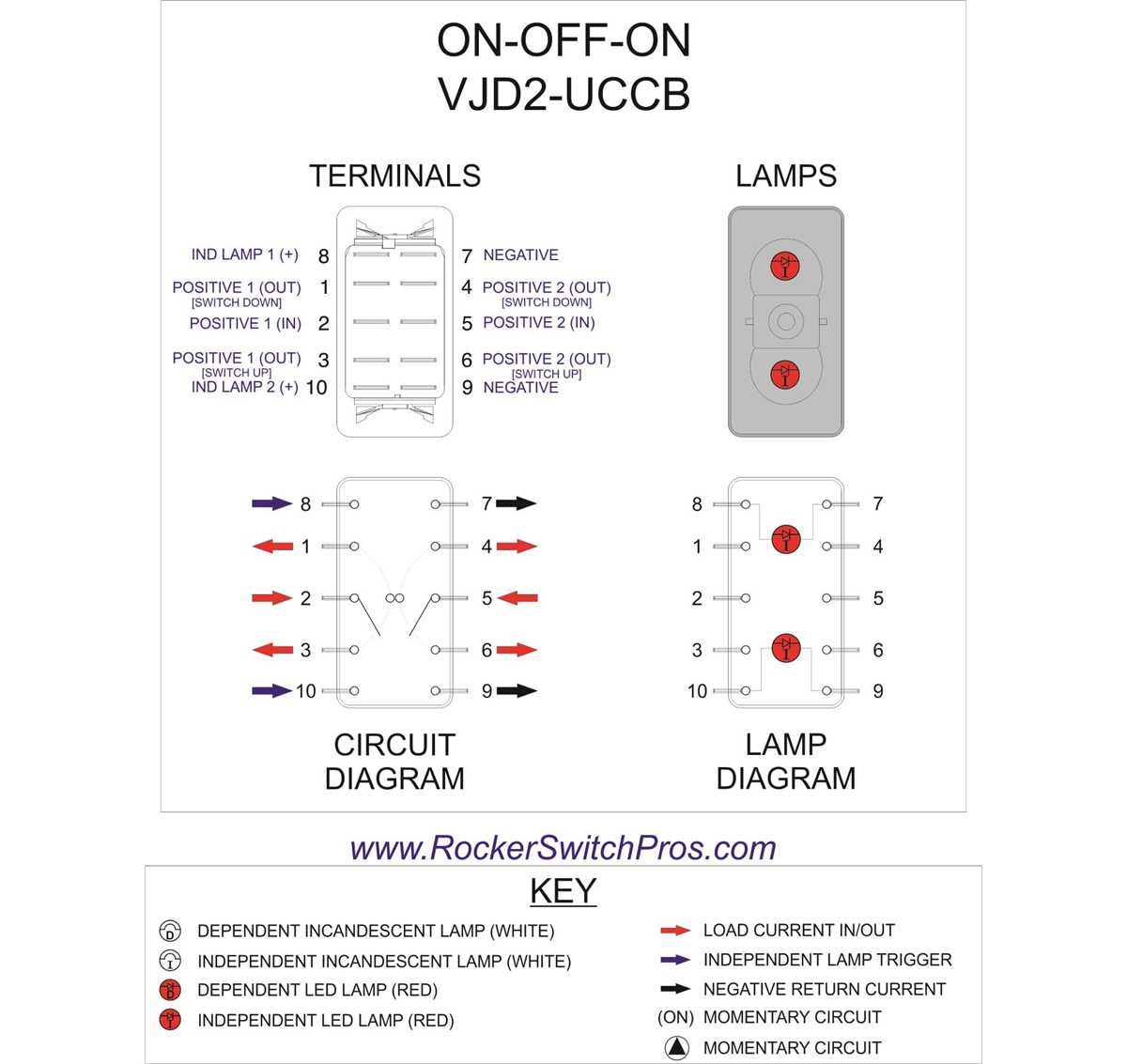
Connect the three contacts in the marine plug so each conductor has a clear role: positive supply, return line, and control lead. In many small boats the positive feed from the battery runs through a panel switch and then enters the deck connector. The return line links directly to the vessel ground bus. The third contact routes power to separate lamps mounted at the bow or stern.
Use marine-grade copper conductors sized between 16 AWG and 18 AWG for most small craft installations powered by a 12-volt system. Red insulation commonly carries battery voltage, black connects to ground, and green or yellow often leads toward the forward lamp assembly. A fuse rated between 2 A and 5 A protects the line near the battery terminal and prevents overheating if a short occurs.
Install sealed connectors rated for moisture exposure. Salt spray and vibration quickly damage standard automotive plugs. Marine connectors with nickel-plated contacts and rubber gaskets maintain stable current flow and reduce corrosion inside the socket assembly.
Route conductors through protective conduit along the hull interior. Avoid tight bends near deck fittings and secure the harness every 30–40 cm using nylon clamps. This layout keeps the electrical path stable while the vessel moves through waves and reduces the chance of insulation wear.
3 Pin Navigation Light Wiring Diagram With Terminal Functions and Boat Switch Connections
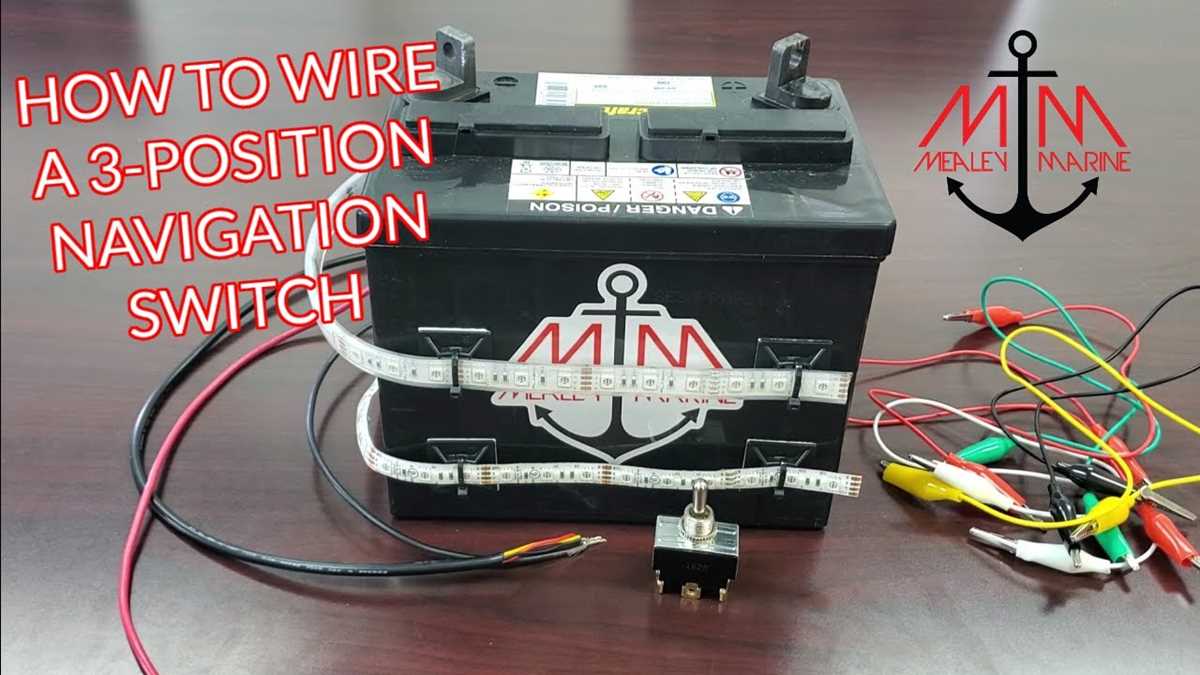
Connect the battery feed to the center contact of the marine socket through a panel switch rated for 12 V DC and at least 10 A. This contact distributes power toward the lamp assemblies mounted on the bow and stern. The return conductor links directly to the vessel ground bar using 16 AWG tinned copper. The remaining contact routes switched power toward the mast or forward marker assembly.
Typical terminal roles
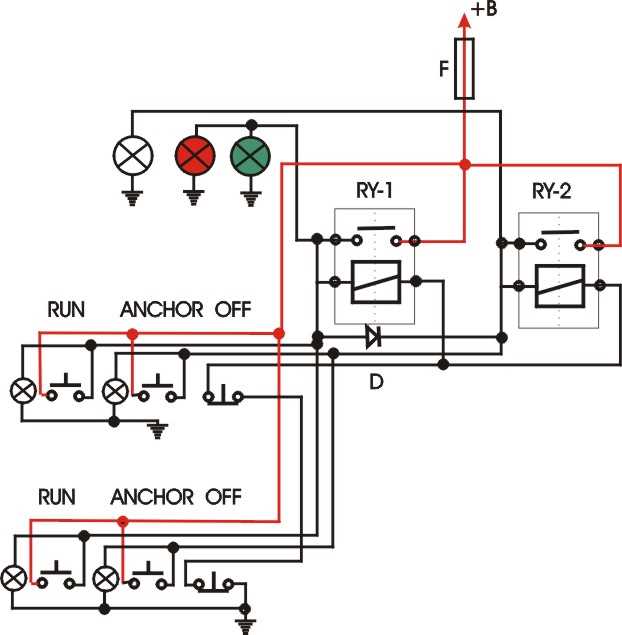
Identify each contact before attaching conductors. Marine plugs with three contacts usually follow a simple layout where each position handles a specific electrical path.
Common terminal assignments
Contact A – battery positive from fuse panel
Contact B – return line connected to hull ground bus
Contact C – switched feed leading to forward or all-round marker unit
Switch connection layout
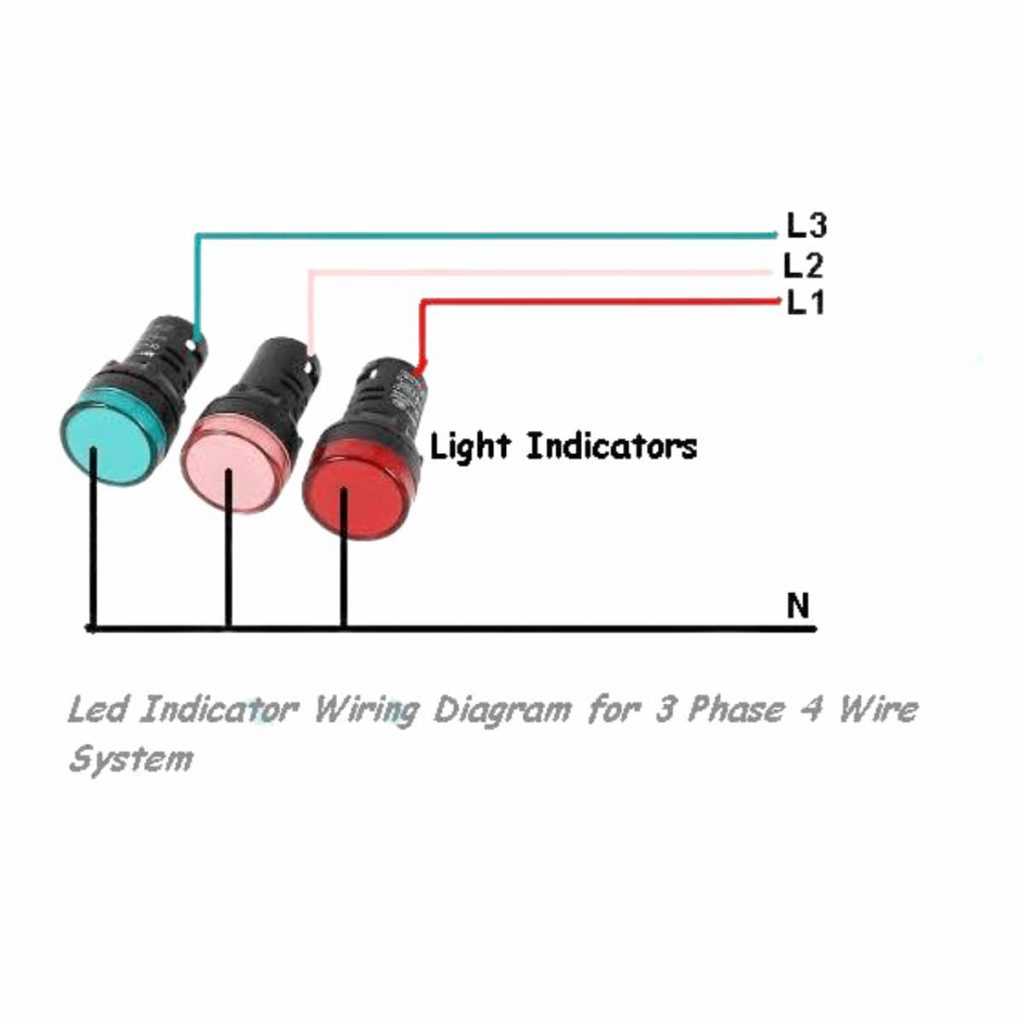
Install a two-position marine switch that selects between anchor and running mode. In the first position the control sends power only to the all-round mast unit. In the second position the switch routes current to the bow pair and the stern unit at the same time. Use a 3–5 amp fuse near the battery terminal and keep conductor length between switch and deck connector under 1.5 meters to reduce voltage drop.
Identifying the three terminals in a navigation light connector and their wire colors
Check terminal markings on the marine socket before attaching conductors. Many deck connectors include small letters or symbols stamped near each contact. Use a multimeter set to continuity mode and verify which contact links to the ground bus and which carries battery voltage from the panel switch.
Follow standard marine color practice so later maintenance becomes easier. Most small craft powered by a 12-volt DC system use a limited set of insulation colors for external marker lamps and mast assemblies.
Typical conductor colors
- Red – positive feed from fuse block or control switch
- Black – return path connected to vessel ground
- Green or yellow – switched line leading toward forward marker assembly or combined bow unit
Confirm polarity using a meter before final connection. Place the negative probe on the ground bus and touch the positive probe to each contact while the switch is turned on. The contact showing about 12–13.8 volts belongs to the battery supply line.
Physical contact positions
Three-contact marine sockets are commonly arranged in a triangular pattern. The upper contact often carries positive voltage while the lower pair handle ground and the switched conductor. Manufacturers sometimes reverse this arrangement, so visual inspection and voltage testing prevent incorrect connection.
Secure conductors with crimp terminals made for marine use. Choose tinned copper lugs sized for 16–18 AWG cable and seal them with adhesive heat-shrink tubing. This prevents corrosion inside the connector housing and keeps electrical resistance low during long operation on the water.