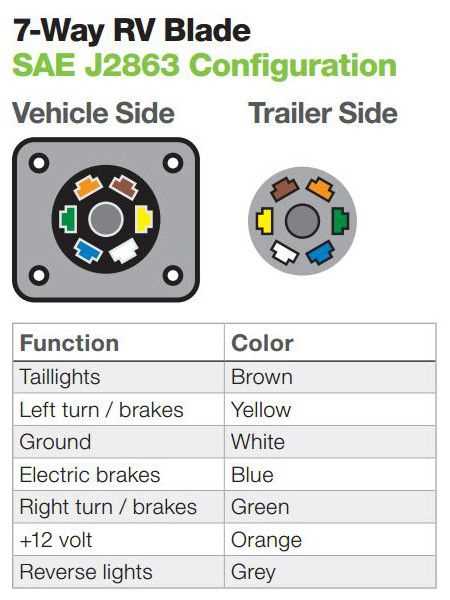
Begin by identifying the correct color code and pin assignments for the connector. Ensure that the wiring for each pin is according to the standard for your specific vehicle and towing system. This is crucial for proper function and safety when operating the connected components.
Next, ensure the ground wire is properly connected to the vehicle’s frame. A poor ground connection can lead to inconsistent performance or even malfunction of the system. The ground pin must be securely attached to a clean metal surface on the vehicle to ensure a stable electrical connection.
When connecting the power and signal wires, double-check their routing to avoid any potential short circuits or damage. Use high-quality connectors and make sure each wire is properly insulated. A solid connection will minimize the risk of issues during operation, such as electrical failure or overheating.
Finally, verify the connections by testing all functions of the system before towing. Make sure that all lights, signals, and other controlled components are functioning as expected. If any issues arise, retrace your steps and ensure each connection is secure and correctly installed.
Step-by-Step Instructions for Wiring a 7 Pin Connector
Start by preparing the wires for each pin connection. Cut the wires to the appropriate length and strip about half an inch of insulation from each end. This will ensure a proper connection to the terminals in the connector. Check the wire gauge and confirm that each wire matches the required thickness for each function.
Next, insert the wires into the correct pins according to the color code for each function. For example, the white wire is typically used for ground, the brown for tail lights, and the yellow for left turn signals. Make sure the wire is fully inserted and the terminal clamp is tightly secured to avoid poor contact or intermittent issues.
| Pin Number | Function | Wire Color |
|---|---|---|
| 1 | Ground | White |
| 2 | Left Turn Signal | Yellow |
| 3 | Right Turn Signal | Green |
| 4 | Brake Lights | Red |
| 5 | Tail Lights | Brown |
| 6 | Reverse Lights | Blue |
| 7 | Auxiliary Power | Black |
After securing the wires in the correct slots, close the connector housing. Make sure the wires are routed without any kinks or bends. Secure the connection with screws or clips as required by the housing design. This will prevent any wire strain and ensure long-lasting durability of the setup.
Finally, perform a functionality test by connecting the completed assembly to the vehicle. Check the operation of all functions such as lights and signals. If any component does not work as expected, double-check the wire placement and the integrity of the connection points. Proper testing ensures everything is set for safe towing operations.
Common Mistakes to Avoid When Wiring a 7 Pin Connector
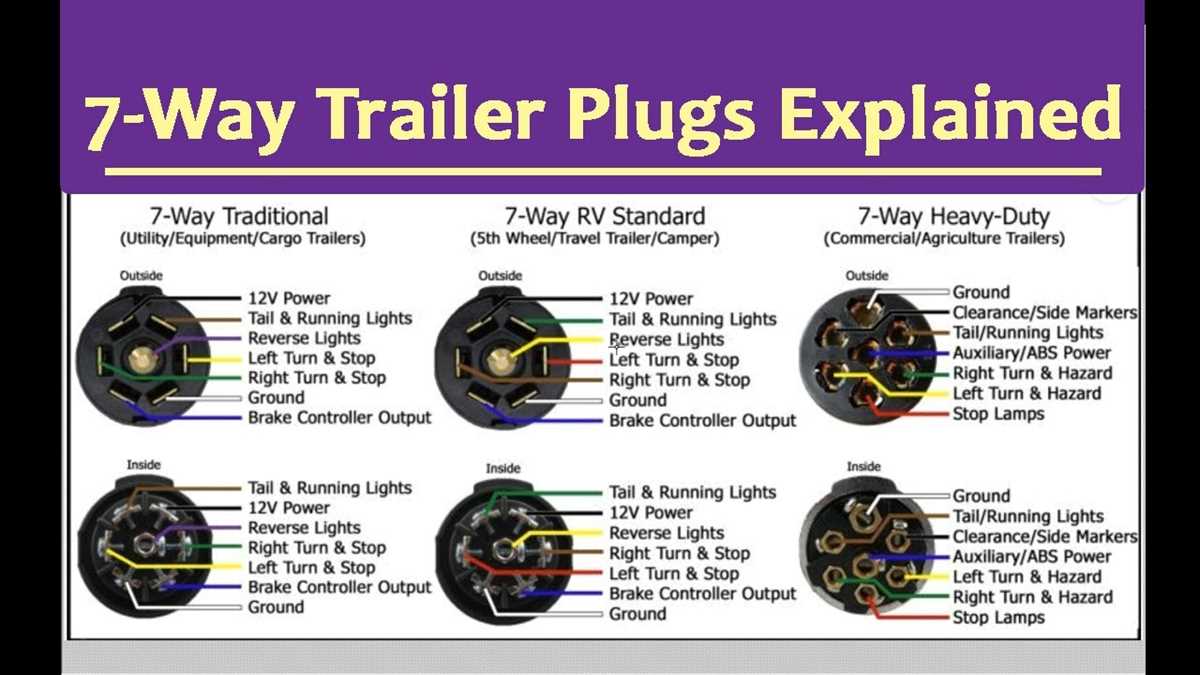
The first mistake to avoid is not checking the wire gauge before starting. Using incorrect wire thickness can lead to overheating or poor performance. Always ensure that the wire is thick enough to handle the required current for each function. For example, use thicker gauge wires for brake lights and power supply connections.
Improper Ground Connection
A common error is neglecting to secure a proper ground connection. The ground wire must be firmly attached to the vehicle’s metal frame. A poor ground can result in malfunctioning lights and erratic behavior in the electrical system. Make sure the ground point is clean and free from rust or dirt before attaching the wire.
Incorrect Pin Assignments
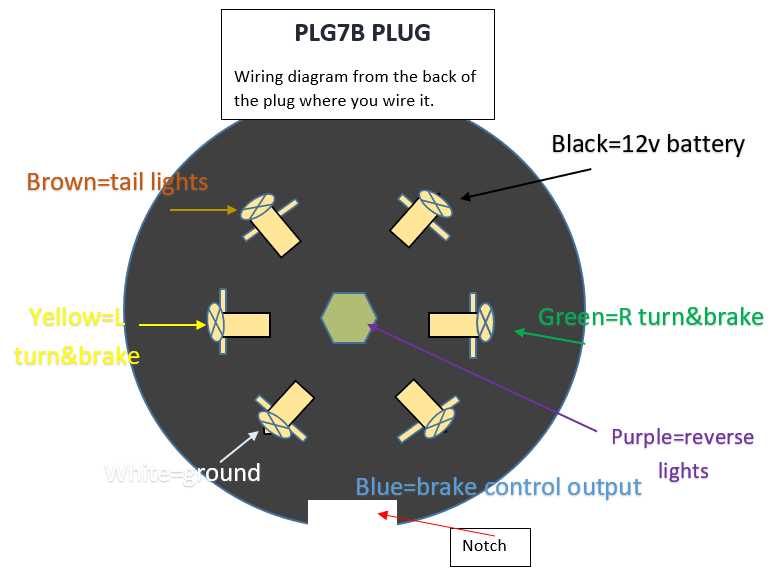
Another mistake is incorrect wire placement in the connector. Each pin has a specific function and should be connected to the corresponding wire. For example, the pin for the left turn signal should never be connected to the brake light circuit. Always refer to the correct wiring guide and color codes to ensure each pin is correctly assigned.
Forgetting to secure the wires inside the connector is another frequent issue. If the wires aren’t fully inserted into the terminals and the housing is not properly closed, the connections can become loose, leading to unreliable performance. Double-check that each wire is fully inserted and that the housing is tightly secured to prevent any possible disconnections.
Additionally, ensure that the wires are well-insulated and free from exposed copper. Any exposed wire can cause short circuits, leading to potential damage to both the vehicle and the connected components. Use electrical tape or heat shrink tubing to cover any exposed sections and ensure the wires remain insulated.
Using low-quality connectors can also be a mistake. Cheap connectors can result in poor electrical contact, which can cause intermittent issues. Always opt for high-quality connectors and terminals designed for automotive applications to guarantee a secure and reliable connection.
Finally, skipping the testing phase can result in missed issues. Once the connections are made, it is crucial to test all functions, such as brake lights, turn signals, and reverse lights, to confirm everything is working correctly. If there’s a malfunction, retrace your steps to identify any wiring issues or loose connections.