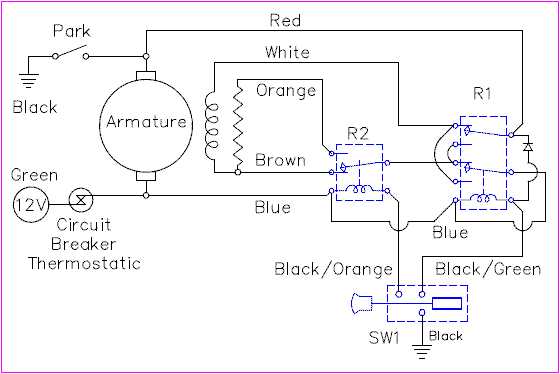
Begin by identifying the components involved: a power source, a switching mechanism, a drive unit, and a control relay. The most common setup involves connecting the drive unit to the switch, which allows you to control the activation of the cleaning system. Ensure that the power is appropriately regulated to avoid overloading the components.
The next step is to determine the correct orientation for the power and ground connections. Typically, the positive terminal will be connected to the control relay, while the ground terminal should connect to the body of the vehicle or another grounded component. This ensures the system operates safely and effectively.
When connecting the switch, remember that it needs to be wired between the power source and the drive unit, allowing you to control the activation by toggling the switch. It’s important to use an appropriately rated switch that can handle the current load of the system without overheating.
Finally, once the components are connected, test the system by activating the switch. Monitor for any irregularities such as the drive unit failing to start or the system drawing excessive current. If everything works correctly, you have successfully set up the cleaning mechanism and ensured the proper function of all components.
Step-by-Step Guide to Wiring a Wiper Motor
Begin by preparing all necessary components: the drive unit, control switch, relay, fuse, and power supply. Make sure each component is compatible with the voltage and current ratings required for your setup. A 12V power source is typically used for automotive installations.
Step 1: Connecting the Power Supply
The first step is to connect the power supply to the system. Attach the positive terminal of the battery or power source to the control relay’s input terminal. The negative terminal should be connected to the vehicle’s body or another grounded component. This ensures that the entire system has a proper power flow.
Step 2: Wiring the Switch and Control Relay
Next, wire the control switch between the power source and the drive unit. The switch should be able to handle the current of the drive unit when activated. From the switch, run a wire to the relay, which will control the on/off state of the system. The relay should be connected in such a way that it can handle the full load of the drive unit’s current.
After connecting the switch and relay, use a fuse to protect the system from potential power surges or short circuits. Place the fuse close to the power source for optimal protection. The fuse rating should match the current rating of the entire system to avoid damage.
Finally, double-check all connections and test the system. When the switch is activated, the relay should close the circuit and allow the drive unit to operate. If everything works smoothly, you have successfully completed the installation of the system and ensured its safe operation.
Common Mistakes to Avoid When Wiring a Wiper Motor
One of the most common mistakes is not using the correct fuse rating. A fuse protects the system from overload, and using a fuse with too high a rating can lead to damage to components before the fuse blows. Always choose a fuse that matches the maximum current rating of the system.
Incorrect Grounding
Improper grounding can cause the entire system to malfunction. Ensure that the negative terminal of the power source is securely connected to the vehicle’s ground. A loose or weak ground connection can result in erratic behavior or complete failure of the system to activate.
Overloading the Switch
Another frequent issue is choosing a switch that cannot handle the current draw of the system. The switch should be rated for the exact current that the drive unit will require when it’s turned on. If the switch is too weak, it can overheat or even fail, leading to a short circuit.
Miswiring the relay is also a common issue. Make sure to correctly connect the relay’s input and output terminals. Incorrectly wired relays can prevent the system from activating or, worse, cause permanent damage to the components. Always follow the relay’s pinout diagram and verify each connection before powering up the system.
Finally, double-check the polarity of your connections. Reversing the positive and negative terminals can prevent the system from working correctly or even damage the components. Always ensure that the positive is connected to the relay and drive unit input, while the negative connects to the ground terminal.