Use an exploded view matched to your exact model code before ordering replacements; mismatched layouts lead to wrong clearances and uneven heat. For premium outdoor cooking units built with heavy-gauge steel, burner spacing often varies by 5–8 mm between series, while ignition modules switch connectors after certain production years. Check the rating plate inside the hood for the full identifier and revision letter, then align it with the corresponding schematic.
An accurate visual map clarifies how burner rails, valve stems, heat diffusers, and sear plates stack and fasten. Look for callouts that specify stainless grades (304 for food-contact surfaces, 430 for structural braces), fastener thread sizes (commonly M5 vs. 10-24), and torque ranges. These details prevent warped trays and gas leaks after reassembly.
When troubleshooting uneven flame or delayed ignition, the layout reveals airflow paths from the venturi to the crossover tube. Compare nozzle orifice sizes printed on the chart–natural gas setups frequently use #48–#50, while propane variants shift smaller. A side-by-side schematic also shows where ceramic electrodes sit relative to the burner ports, helping restore consistent spark timing.
Keep a printed copy near the unit during service. Mark replaced assemblies and note serial breaks directly on the page. This practice speeds future maintenance, avoids duplicate purchases, and keeps the cooking surface delivering stable temperatures across all zones.
Cooker Assembly Map: Practical Identification and Use
Match each element by location and connection points before replacing anything: the heat tubes align beneath the cooking surface, feed from the gas rail, and seat into rear brackets with a 90° twist lock.
The ignition lead routes from the control panel to a ceramic electrode positioned within 3–5 mm of the burner port; a wider gap causes delayed lighting, while contact prevents spark.
Flavor shields sit directly above the flame channels with the angled edge facing the firebox wall; reversing them traps grease and raises flare-ups.
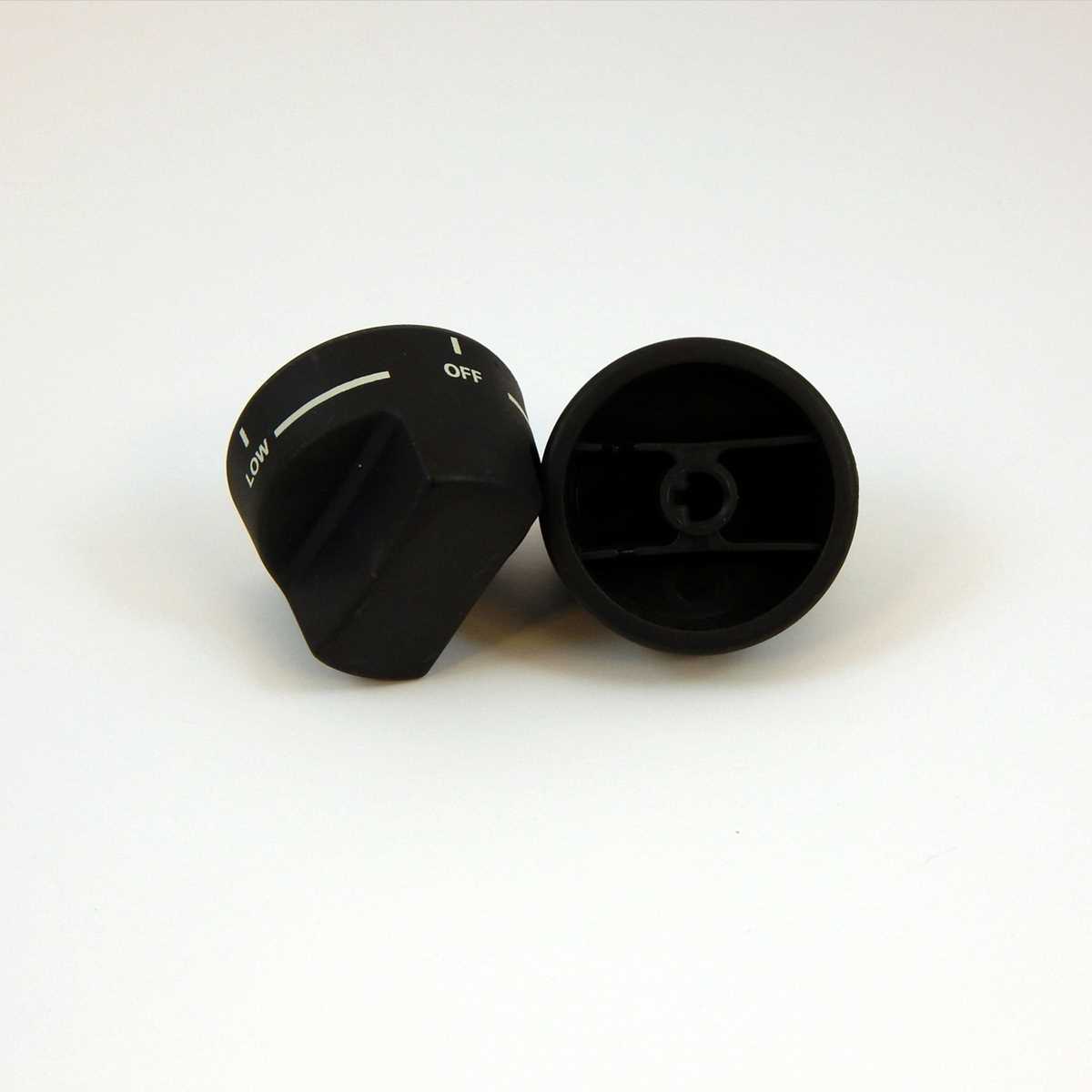
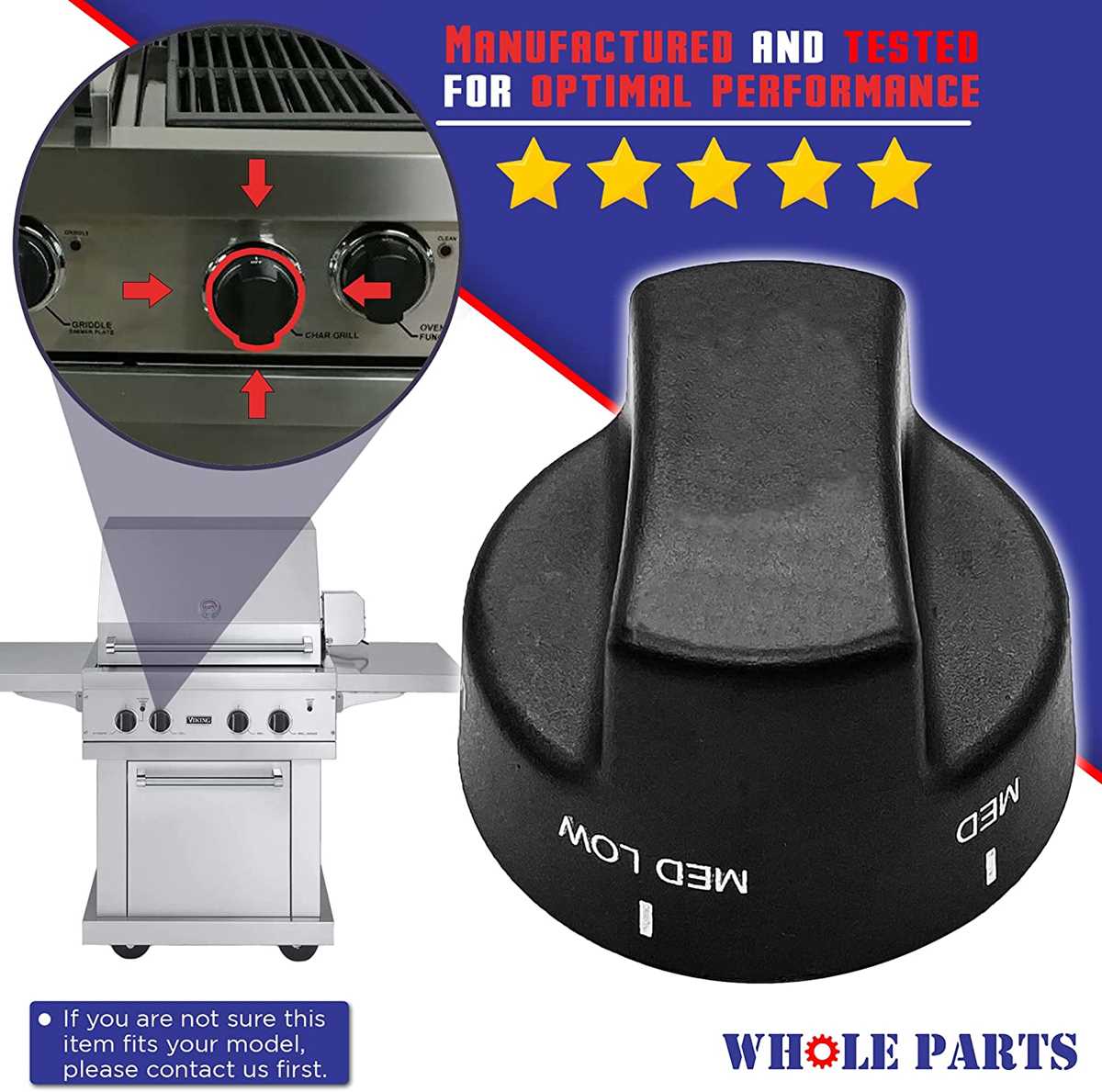
The gas rail includes color-coded valve stems that correspond to control knobs; cross-threading occurs if the stem color and knob index do not match.
Thermometer probes pass through the hood port and anchor with a retaining clip inside; tighten to hand-snug only, since overtightening skews readings by 15–25°F.
Cooking racks rest on side ledges stamped into the firebox; uneven seating signals a bent support, not a warped rack.
Drip management relies on a sloped tray channeling runoff to a removable pan; keep the slope clear, or grease backs up toward the burners.
Fastener sizes are standardized: M5 screws secure shields and rails, while M6 bolts hold the hood hinges; mixing sizes strips threads in the aluminum housing.
Use the assembly map to trace gas flow from inlet to flame: regulator → rail → valves → heat tubes; any break in this path explains weak output or uneven heat.
After reassembly, perform a leak check with soapy water at every threaded joint; bubbles indicate reseating or gasket replacement is required.
How to Identify Burners, Valves, and Ignition Components Using a Viking Grill Parts Diagram
Match each heat tube by counting flame ports and checking stamped BTU ratings on the metal body, then verify length from end cap to venturi against the layout drawing.
Locate the fuel controls by tracing the gas path from the manifold: control bodies sit directly behind the knobs, show a stem length of 2–3 inches, and include a fixed orifice sized for natural gas or propane, marked with a tiny drill number.
Confirm ignition pieces by following the wiring paths on the exploded view: spark modules list the number of outputs, electrodes align within 3–5 mm of the burner edge, and ceramic insulators appear as white cylinders with a single mounting screw.
Use connector shapes as identifiers: quick-connect tabs indicate electronic igniters, threaded fittings indicate gas controls, and slotted brackets indicate heat tubes.
Check left-to-right orientation using reference arrows on the schematic; mirror-image heat tubes swap venturi positions, while control bodies remain fixed to the manifold rail.
Cross-check compatibility by comparing hole spacing and bracket offsets shown in the technical drawing with caliper measurements; a 1–2 mm mismatch signals a different revision.
Label each component on the printed layout drawing after confirmation to prevent mix-ups during reassembly, especially where identical-looking heat tubes differ by port count or crossover placement.
Matching Exact Replacement Components by Model and Serial Using an Exploded View
Use the appliance’s rating plate to record the model code and serial sequence before checking any reference chart; mismatches at this stage lead to incorrect replacements and wasted time.
Open the exploded view that corresponds exactly to the recorded identifiers and compare component callouts with the physical layout on your outdoor cooker. Pay attention to revision notes tied to serial breaks, as the same model code may include multiple hardware updates.
Confirm material and finish by reading the callout description, not the visual shape alone. Stainless grades, burner alloys, and ignition modules often share silhouettes while differing in specifications tied to production runs.
Cross-check dimensions using the measurement table linked to the exploded view. Valve stems, heat diffusers, and control bezels vary by millimeters between serial ranges, which affects fit and safety.
Verify compatibility through the manufacturer’s cross-reference list when a component shows a superseded number. The list maps discontinued items to current equivalents approved for the same unit and serial scope.
Finalize selection by matching fastener type and gasket profile listed in the callout notes. Reusing incorrect screws or seals can cause misalignment, leaks, or premature wear.
Archive the confirmed identifiers and callout numbers for future service. This record speeds repeat orders and reduces errors during maintenance cycles.