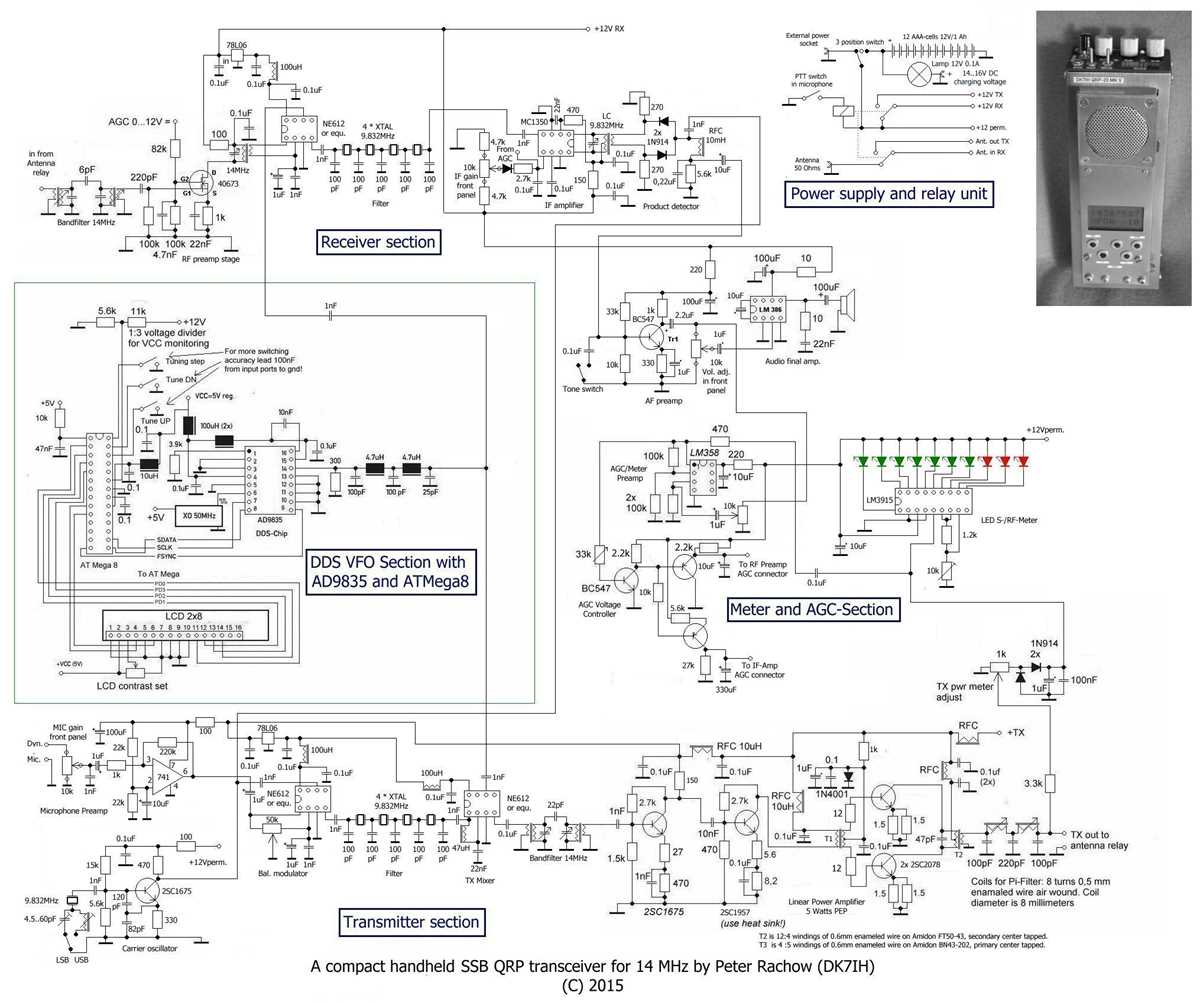
To ensure a stable output despite varying input levels, you need to use a system that adjusts the gain automatically. This type of system is commonly used in audio processing and communication systems to maintain a consistent signal strength. By using a feedback loop, it continuously monitors the output and makes adjustments based on the detected signal strength.
The key components involved in this setup include a detector, a variable amplifier, and a control mechanism. The detector analyzes the incoming signal and sends feedback to the amplifier. The amplifier then adjusts the gain to either increase or decrease the output level, ensuring that the final signal remains within the desired range. Proper calibration of these components is crucial for accurate and reliable performance.
If you’re building or troubleshooting such a system, pay attention to the voltage levels and the response time of the control loop. The design of the feedback system plays a significant role in how quickly and effectively the gain can be adjusted to accommodate fluctuations in the signal strength. Testing the setup with different input levels will help ensure that the system maintains consistent performance across a range of conditions.
Understanding the Components of an Automatic Gain Control System
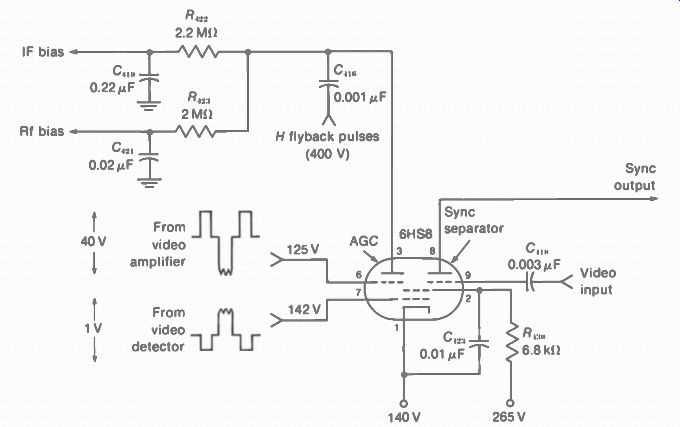
The heart of this system consists of a feedback loop that adjusts the gain based on the input signal strength. A detector measures the amplitude of the signal and provides feedback to the amplifier. This feedback controls the level of amplification applied to the signal, ensuring a consistent output regardless of fluctuations in the input signal. This continuous monitoring and adjustment process is what allows the system to maintain a stable output.
Next, the variable gain amplifier (VGA) is the component responsible for adjusting the signal strength. When the input signal becomes too weak, the VGA increases the gain to amplify the signal. Conversely, if the signal is too strong, the gain is reduced to prevent distortion or clipping. The quality of the amplifier and its response time are critical for optimal performance, as slow or inaccurate gain adjustments can result in noticeable signal fluctuations.
The control mechanism in this setup plays a significant role in maintaining the desired signal output. A voltage-controlled attenuator (VCA) can be used to adjust the signal level automatically, in response to the feedback from the detector. The smoother the response of the attenuator, the more seamless the adjustment process will appear, making it crucial to select components that respond quickly and accurately.
Lastly, ensure the proper calibration of all components. The detector, amplifier, and attenuator must work together harmoniously. Improper calibration can lead to undesired effects, such as overshooting or slow gain adjustments. Regular testing with varying signal strengths helps ensure the system is functioning as expected and can handle different input conditions without introducing distortion or instability.
HTML
Key Components and Functions of an Automatic Gain Control System
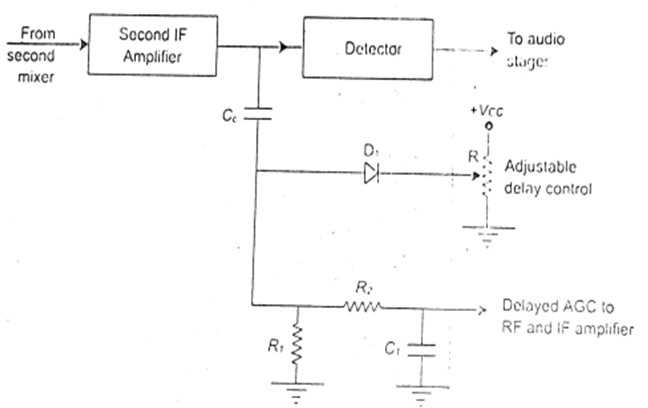
The heart of any automatic gain control mechanism lies in the feedback loop. This system maintains the output signal within a set range by adjusting the amplification of the incoming signal. Typically, a detector is used to measure the signal’s amplitude. Once the signal exceeds the set threshold, the system begins to reduce the gain, ensuring consistent output levels.
A vital element in this setup is the variable gain amplifier (VGA). It dynamically adjusts the signal’s strength depending on the feedback received from the detection mechanism. The VGA is often designed to function within a specific range of gain values, ensuring it can both increase and decrease amplification as needed for optimal performance.
The control voltage is another significant component. This voltage, derived from the detected signal strength, directly influences the gain. The higher the amplitude detected, the lower the control voltage, and vice versa.